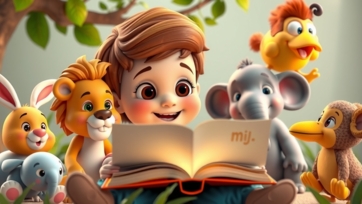
Sharing Is Caring – A Short Moral Story

In a bright and happy town called Sunshine Ville, there lived a cheerful little girl named Lina. She was smart, playful, and loved her toys very much. Lina had colorful dolls, shiny pencils, storybooks, and delicious snacks, but there was one thing she did not like to do — sharing.

This kids moral story teaches children an important life lesson about kindness, sharing, and caring for others.


Lina and Her Favorite Toys:

Lina spent most of her day playing alone in her room. Whenever her friends came to visit, she hid her toys and snacks.

“Please let me play with your doll,” her friend Sara would ask politely.

“No, it might break,” Lina would reply.

Her mother often said, “Lina, sharing makes friendships stronger,” but Lina did not listen.


A New Student at School:

One day, a new boy named Aman joined Lina’s class. He was quiet and shy. He did not have many school supplies and often sat alone.

During lunch break, Lina opened her lunchbox filled with tasty food. Aman sat nearby with only a plain sandwich.

A Missed Chance:

Aman looked at Lina’s food but did not ask for any. Lina noticed but quickly turned away.

Her teacher, Miss Rose, watched everything carefully.


The School Activity Day:

A week later, the school announced a fun activity day. Children were asked to bring colors, books, and toys to share and play together.

Lina brought her things but kept them inside her bag. Other children happily shared crayons, balls, and snacks. They laughed and played together.

Lina sat quietly in a corner.


When Lina Needed Help:

Suddenly, Lina’s color box fell and broke. Her crayons scattered on the floor, and some broke into pieces. Lina felt sad and started to cry.

She looked around, hoping someone would help her.

Kind Hearts Respond:

Sara came forward and said, “You can use my colors.”

Another friend offered paper, and Aman quietly shared his pencils.

Lina was surprised. “But I never shared with you,” she said softly.

Aman smiled and replied, “Sharing makes everyone happy.”


A Change of Heart:

Lina felt ashamed. She realized that her friends were kind even when she was not.

That evening, she spoke to her mother and said, “Ammi, I understand now. Sharing is caring.”

Her mother hugged her and smiled proudly.


Learning to Share at Home:

The next day, Lina invited her friends home. She shared her toys, storybooks, and snacks. Everyone laughed, played, and enjoyed together.

Lina noticed something special — she felt happier than ever before.

Happiness Multiplies:

The more Lina shared, the happier she felt inside.


A Lesson at School:

Miss Rose praised Lina in front of the class. “Children,” she said, “Lina has learned a beautiful lesson. Sharing does not reduce what we have; it increases love.”

The children clapped, and Lina smiled with confidence.


Why Sharing Is Important:

Sharing helps children:

  • Make good friends

  • Learn kindness and empathy

  • Build strong relationships

  • Feel happy and loved

True Meaning of Caring:

Caring means thinking about others’ feelings and helping them when needed.


Moral of the Story:

Sharing is caring. When we share what we have, we spread happiness and love around us.


Why Kids Should Read This Story:

This children’s moral story teaches kids:

  • The value of sharing

  • The importance of kindness

  • How small actions make a big difference

  • Why helping others feels good

Parents and teachers often use this bedtime story for kids to teach good manners and positive behavior.


Final Thoughts:

Sharing Is Caring is a simple but powerful moral story for children. It reminds us that toys, food, and happiness are better when shared.

💖 Share a little, care a lot, and watch your happiness grow. 💖


Advertisement
Learn About the Human Body in a Fun Way
The human body is an amazing machine that helps us move, think, eat, and play. Every part of the body works together to keep us alive and healthy. Children are naturally curious about how their bodies work, and learning about it can be both fun and educational. In this article, we will explore how to learn about the human body in a fun way for kids, using simple explanations, activities, and fascinating facts. Why Learning About the Human Body Is Important for Kids: Understanding the human body helps children take care of themselves and learn how their body works. Learning about the human body teaches kids to: Know the functions of different organs Develop healthy habits Appreciate the importance of exercise and nutrition Build curiosity and interest in science Understand how to prevent injuries and stay safe A fun approach makes complex concepts easier to understand and remember. The Human Body Made Simple for Kids: The human body has many parts, but it can be understood in simple systems. 1. Skeletal System: Made of bones Supports the body and protects organs Helps us stand, move, and grow 2. Muscular System: Muscles work with bones to help us move There are voluntary muscles (we control) and involuntary muscles (like the heart) 3. Circulatory System: Heart pumps blood through blood vessels Blood carries oxygen and nutrients to the body Helps remove waste from the body 4. Respiratory System: Lungs take in oxygen and release carbon dioxide Helps us breathe and stay alive 5. Digestive System: Breaks down food into energy Includes stomach, intestines, and other organs 6. Nervous System: Brain, spinal cord, and nerves Controls thoughts, movements, and responses Fun Facts About the Human Body for Kids: The Brain Is Super Powerful: The human brain controls everything we do, from thinking to moving. Bones Are Strong and Lightweight: Even though bones are hard, they are also light enough to let us move easily. Muscles Work in Pairs: Muscles pull, not push, so they work in pairs to move body parts. The Heart Beats Thousands of Times a Day: Your heart works non-stop, pumping blood all day and night. Your Stomach Makes Acid: The stomach uses acid to digest food safely. Fun Activities to Learn About the Human Body: 1. Skeleton Puzzle Activity: Use a puzzle or paper cutouts of bones Arrange them to make a full skeleton What Kids Learn: Bone structure and the skeletal system. 2. Heartbeat Experiment: Measure your pulse before and after exercise Count beats per minute What Kids Learn: How the heart works and how exercise affects it. 3. Lung Capacity Test: Blow up a balloon using one breath Measure how much air your lungs can hold What Kids Learn: How lungs help us breathe. 4. Digestive System Model: Use simple materials to create a model of the stomach and intestines What Kids Learn: How food moves and turns into energy. Healthy Habits for a Strong Human Body: Eat Nutritious Foods: Fruits, vegetables, and proteins help the body grow. Exercise Regularly: Running, jumping, and playing keep muscles and bones strong. Drink Water: Water keeps the body hydrated and helps organs work properly. Get Enough Sleep: Sleep helps the body rest, repair, and grow. Wash Hands and Stay Clean: Good hygiene prevents sickness and keeps the body healthy. How Teachers and Parents Can Make Learning Fun: Use colorful charts and diagrams Conduct hands-on activities and experiments Play educational games about body parts Ask children to draw and label body systems Relate body functions to everyday life Making learning interactive helps children remember concepts better. What Kids Learn from Studying the Human Body: By learning about the human body in a fun way, kids develop: Awareness of how their body works Healthy habits and self-care knowledge Observation and scientific thinking skills Curiosity and interest in biology and health Understanding the human body encourages kids to take care of themselves and appreciate the amazing machine that is their body. Conclusion: The human body is fascinating, and learning about it can be fun and exciting for children. From the brain to the toes, every part has a special job that helps us live, play, and grow. Teaching kids about the human body in a fun way makes science enjoyable, educational, and memorable. By exploring their own bodies through activities and experiments, children develop curiosity, healthy habits, and a love for learning.
Interesting Fairy Tales Every Child Should Know
Fairy tales are magical stories filled with imagination, lessons, and wonder. They help children explore fantasy worlds, learn moral values, and develop a love for reading. From brave heroes to kind-hearted characters, fairy tales have been passed down for generations. In this article, we will explore interesting fairy tales every child should know and why they are important for a child’s growth. Why Fairy Tales Are Important for Children: Fairy tales help children: Develop imagination and creativity Learn moral values like kindness, honesty, and courage Improve language and listening skills Understand the difference between right and wrong Enjoy reading and storytelling These stories shape a child’s thinking in a gentle and enjoyable way. Classic Fairy Tales Every Child Should Know: 1. Cinderella: Cinderella is a story about kindness, patience, and hope. Despite being treated badly, she remains kind and is rewarded for her good heart. 2. Little Red Riding Hood: This fairy tale teaches children the importance of listening to elders and being careful around strangers. 3. Snow White and the Seven Dwarfs: Snow White’s story shows how kindness, friendship, and goodness can defeat jealousy and evil. 4. Jack and the Beanstalk: This adventurous tale teaches bravery, courage, and the consequences of choices. 5. The Three Little Pigs: A story that teaches hard work, planning, and responsibility through fun and memorable characters. Moral Lessons Learned from Fairy Tales: 1. Kindness Always Wins: Good-hearted characters are often rewarded in fairy tales. 2. Honesty Is Important: Stories show that lying leads to trouble, while honesty brings peace. 3. Courage Helps Overcome Fear: Many fairy tale heroes face fears bravely and succeed. 4. Hard Work Brings Success: Characters who work hard often achieve happy endings. Benefits of Reading Fairy Tales to Kids: Reading fairy tales helps children: Improve vocabulary and communication skills Develop emotional intelligence Build attention and listening abilities Strengthen parent-child bonding Encourage curiosity and imagination Storytime also creates warm and memorable family moments. Fun Ways to Introduce Fairy Tales to Children: 1. Storytelling with Expressions: Use voice changes and expressions to make stories exciting. 2. Role Play and Acting: Let kids act as princes, princesses, or heroes from stories. 3. Picture Books and Illustrations: Colorful pictures make fairy tales more engaging. 4. Bedtime Fairy Tales: Reading stories before sleep helps children relax and imagine happy dreams. How Parents and Teachers Can Use Fairy Tales for Learning: Discuss the moral lesson after the story Ask kids what they learned from the characters Encourage children to create their own fairy tales Connect story lessons to real-life situations Fairy tales can be powerful tools for teaching values in a gentle way. Modern Importance of Fairy Tales: Even in today’s digital world, fairy tales remain important because they: Encourage screen-free learning Strengthen reading habits Teach timeless values Help children understand emotions Inspire creativity and storytelling Fairy tales continue to guide young minds in a positive direction. Conclusion: Interesting fairy tales every child should know are more than just stories—they are lessons wrapped in magic. Through imagination, adventure, and moral teachings, fairy tales help children grow emotionally, socially, and mentally. Introducing children to classic fairy tales builds a strong foundation of values, creativity, and a lifelong love for reading.
Importance of Brushing Teeth for Children
Brushing teeth is one of the most important daily habits children should learn from an early age. Healthy teeth help children eat, speak, and smile with confidence. Teaching kids the importance of brushing teeth helps prevent cavities, gum problems, and bad breath. In this article, we will explain the importance of brushing teeth for children in a simple, fun, and easy way. Why Brushing Teeth Is Important for Children: Good oral hygiene helps children: Keep their teeth clean and strong Prevent cavities and tooth decay Avoid gum diseases and bad breath Develop healthy habits for life Smile with confidence When children understand why brushing matters, they are more likely to do it regularly. What Happens If Kids Do Not Brush Their Teeth: If children do not brush their teeth properly: Food particles stay on teeth Germs and bacteria grow in the mouth Cavities and toothaches can occur Gums may become swollen or bleed Teeth can become weak or damaged Explaining these effects gently helps kids understand the importance of daily brushing. How Brushing Teeth Keeps the Mouth Healthy: 1. Removes Food and Germs: Brushing removes leftover food and harmful bacteria from teeth and gums. 2. Prevents Cavities: Regular brushing stops plaque from damaging the teeth. 3. Keeps Breath Fresh: Clean teeth and tongue help prevent bad breath. 4. Protects Gums: Brushing gently keeps gums healthy and strong. Correct Way to Brush Teeth for Kids: 1. Use a Soft Toothbrush: Choose a toothbrush with soft bristles suitable for children. 2. Use a Pea-Sized Toothpaste: Only a small amount of fluoride toothpaste is enough. 3. Brush for Two Minutes: Brush all sides of the teeth slowly and gently. 4. Brush Twice a Day: Once in the morning and once before bedtime. 5. Do Not Forget the Tongue: Gently clean the tongue to remove germs. Fun Tips to Encourage Kids to Brush Teeth: Use colorful toothbrushes with favorite characters Play a 2-minute brushing song or timer Brush together as a family Reward consistency with praise or stickers Read stories or watch cartoons about dental care Making brushing fun helps children enjoy the habit instead of avoiding it. Role of Parents in Teaching Tooth Brushing: Parents can help by: Teaching the correct brushing method Supervising young children while brushing Setting a daily brushing routine Taking children for regular dental checkups Being a good role model by brushing daily Children learn best by watching and copying adults. Benefits of Brushing Teeth Daily for Children: Children who brush their teeth regularly enjoy: Strong and healthy teeth Fewer dental problems Fresh breath and clean mouth Better overall health Confidence in smiling and speaking Healthy teeth play an important role in a child’s overall growth and well-being. Conclusion: The importance of brushing teeth for children cannot be ignored. By brushing twice a day using the correct method, children can protect their teeth, avoid pain, and develop a healthy smile for life. Teaching this habit early makes dental care a natural and easy part of everyday routine, helping children grow into healthy and confident adults.
Healthy Eating and Nutrition Tips for Kids
Healthy eating is essential for children’s growth, development, and overall well-being. Providing balanced nutrition helps kids maintain energy, strengthen immunity, and support brain development. Healthy eating and nutrition tips for kids teach them the importance of making good food choices while making mealtime fun and enjoyable. Why Healthy Eating is Important for Kids: Children need a variety of nutrients to grow strong and stay healthy. Balanced meals with vitamins, minerals, proteins, and healthy fats improve physical growth, cognitive development, and concentration. Healthy eating also helps prevent childhood obesity, nutrient deficiencies, and other health issues. The Role of Parents and Caregivers: Parents and caregivers play a key role in shaping children’s eating habits. By providing nutritious foods, creating positive mealtime experiences, and modeling healthy choices, adults encourage children to develop lifelong healthy habits. Basic Nutrition for Kids: Understanding the key nutrients helps in planning balanced meals. Proteins: Essential for growth, tissue repair, and immune function. Sources: Eggs, lean meat, fish, beans, lentils, and dairy products. Carbohydrates: Provide energy for daily activities and brain function. Sources: Whole grains, rice, oats, fruits, and vegetables. Healthy Fats: Support brain development and hormone production. Sources: Avocado, nuts, seeds, olive oil, and fatty fish. Vitamins and Minerals: Important for bones, skin, and overall health. Sources: Colorful fruits, vegetables, dairy, and fortified foods. Hydration: Water is essential for digestion, temperature regulation, and overall health. Limit sugary drinks and encourage plain water or natural fruit juices. Fun Ways to Encourage Healthy Eating: Making food fun and engaging helps children develop positive eating habits. Colorful Plates: Include a variety of colorful fruits and vegetables to make meals visually appealing. Teach kids about the benefits of different colors and nutrients. Creative Food Shapes: Use cookie cutters to make sandwiches, fruits, or vegetables into fun shapes. Kids are more likely to eat foods that look exciting and playful. Cooking Together: Involve children in meal preparation, such as washing vegetables or stirring ingredients. Encourages interest in food and teaches basic cooking skills. Healthy Snacks for Kids: Snacks are an important part of a child’s diet, but they should be nutritious. Fruit and Yogurt Parfaits: Layer fruits with yogurt and granola. Vegetable Sticks with Dip: Carrots, cucumbers, or bell peppers with hummus. Whole Grain Snacks: Whole wheat crackers, rice cakes, or oatmeal bars. Smoothies: Blend fruits, vegetables, and yogurt for a nutritious drink. Tips to Make Nutrition Enjoyable: Set a Routine: Serve meals and snacks at regular times. Avoid Pressure: Encourage trying new foods without forcing them. Lead by Example: Eat balanced meals as a family to model healthy habits. Make Learning Fun: Teach kids about nutrients and where food comes from. Reward Wisely: Use praise instead of sweets to reinforce healthy choices. Addressing Picky Eating: Picky eating is common, but there are strategies to encourage healthy habits. Introduce new foods gradually alongside familiar favorites. Offer a variety of textures and flavors to expand taste preferences. Be patient and consistent; it may take multiple exposures for a child to accept new foods. Make mealtimes positive and stress-free, focusing on fun and creativity. Benefits of Healthy Eating for Kids: Supports physical growth, strong bones, and muscle development. Enhances brain development, focus, and learning abilities. Boosts immunity and reduces risk of illness. Helps maintain healthy weight and energy levels. Encourages lifelong positive eating habits. Conclusion: Healthy eating and nutrition for kids is essential for their growth, learning, and overall well-being. By providing balanced meals, involving children in food preparation, and making nutrition fun, parents and caregivers can encourage lifelong healthy habits. Combining colorful plates, creative shapes, nutritious snacks, and positive mealtime experiences helps children develop a love for healthy food. With consistent guidance and encouragement, kids can enjoy nutritious meals, stay energized, and grow strong, confident, and healthy.
Simple Science Experiments for Kids at Home
Science experiments are a fun and engaging way for children to explore the world around them. Simple science experiments at home help kids develop curiosity, problem-solving skills, and a love for learning. By using everyday household items, children can safely conduct experiments that teach important scientific concepts in an enjoyable way. Why Science Experiments are Important for Kids: Hands-on science activities help children understand abstract concepts, improve critical thinking, and encourage creativity. Experiments make learning interactive and memorable. Kids who explore science early gain confidence, curiosity, and an appreciation for observation, questioning, and experimentation. The Role of Parents and Educators: Parents and educators guide children through experiments, ensuring safety and fostering understanding. Demonstrating steps, asking questions, and encouraging predictions helps children think critically and make connections between theory and practice. Safety First: Tips for Home Science Experiments: Safety is essential when conducting experiments at home: Use non-toxic, household materials. Always supervise young children. Wear protective gear like gloves or goggles if needed. Keep a first-aid kit handy for minor accidents. Avoid sharp or dangerous chemicals. Simple Science Experiments for Kids: There are many fun experiments that can be done at home using everyday items. Volcano Eruption Experiment: Materials: Baking soda, vinegar, dish soap, food coloring, a small container.Steps: Place baking soda in the container. Add a few drops of food coloring and dish soap. Pour vinegar over the mixture.Observation: Kids see a colorful eruption and learn about chemical reactions. Rainbow in a Glass Experiment: Materials: Sugar, water, food coloring, a tall clear glass.Steps: Dissolve different amounts of sugar in water and add different food colors. Carefully layer the colored water in a glass, starting with the densest.Observation: Kids observe layers forming and learn about density. Floating and Sinking Objects: Materials: Various small household items (apple, coin, plastic toy, cork), water container.Steps: Fill a container with water. Drop objects in and observe whether they float or sink.Observation: Kids explore buoyancy and understand why some objects float while others sink. Magic Milk Experiment: Materials: Milk, food coloring, dish soap, cotton swab.Steps: Pour milk into a shallow dish. Add drops of food coloring. Dip a cotton swab in dish soap and touch the milk.Observation: Colors swirl magically, demonstrating chemical reactions and surface tension. How to Make Experiments More Educational: Ask Questions: Encourage kids to predict results and explain why things happen. Record Observations: Kids can write, draw, or take photos of their experiments. Connect to Real Life: Relate experiments to everyday phenomena like rain, cooking, or plants. Repeat and Modify: Trying experiments in different ways teaches persistence and deeper understanding. Using Experiments to Teach STEM Skills: Science experiments introduce children to STEM (Science, Technology, Engineering, Math) concepts: Observation Skills: Noticing details, patterns, and changes. Critical Thinking: Making predictions and analyzing results. Problem Solving: Adjusting variables to see different outcomes. Creativity: Designing experiments and thinking of new ideas. Fun Science Kits for Kids: For structured learning, parents can use science kits that provide materials and instructions. Popular kits include: Mini chemistry labs Crystal growing kits Simple robotics or engineering kits Plant growing kits These kits make experiments safe, organized, and educational while encouraging independent exploration. Benefits of Home Science Experiments for Kids: Encourages curiosity and love for learning. Develops problem-solving, observation, and critical thinking skills. Makes abstract science concepts tangible. Strengthens parent-child interaction and teamwork. Builds confidence through hands-on success. Conclusion: Simple science experiments for kids at home provide an exciting and educational way to explore the world. Using everyday items, children can learn about chemical reactions, physics, and biology while developing critical thinking and creativity. Parents and educators can enhance learning by guiding, encouraging questions, and connecting experiments to real-life experiences. Early exposure to hands-on science builds curiosity, problem-solving skills, and a lifelong love for STEM learning.
Simple DIY Projects for Kids
DIY (Do It Yourself) projects are a fun and hands-on way for children to learn, explore creativity, and develop problem-solving skills. With simple materials at home, kids can create amazing projects while having fun and learning new concepts. In this article, we will explore simple DIY projects for kids that are engaging, safe, and educational. Why DIY Projects Are Important for Kids: DIY projects help children: Boost creativity and imagination Improve fine motor skills and hand-eye coordination Learn patience, planning, and problem-solving Develop confidence by completing projects Foster curiosity and a love for learning DIY activities combine play with learning, making them both educational and enjoyable. Simple DIY Projects Kids Can Try at Home: 1. Paper Rocket Launcher: Make a rocket from paper and use a straw to launch it. What Kids Learn: Science concepts like air pressure and motion. 2. Bottle Planters: Use empty bottles to plant seeds and watch them grow. What Kids Learn: Responsibility, plant growth, and recycling. 3. Popsicle Stick Crafts: Build houses, frames, or puppets using popsicle sticks and glue. What Kids Learn: Creativity, spatial awareness, and fine motor skills. 4. DIY Slime: Make colorful slime using glue, baking soda, and contact solution. What Kids Learn: Simple chemistry, sensory play, and experimentation. 5. Egg Carton Animals: Transform egg cartons into caterpillars, turtles, or other fun animals. What Kids Learn: Recycling, imagination, and artistic skills. Fun DIY Activities Using Everyday Items: 1. Button Art: Create pictures or designs by gluing colorful buttons on paper. What Kids Learn: Patterns, colors, and fine motor coordination. 2. Paper Plate Crafts: Make animals, masks, or flowers using paper plates, paints, and markers. What Kids Learn: Creativity and imaginative play. 3. Handmade Bookmarks: Decorate bookmarks with stickers, colors, or drawings. What Kids Learn: Artistic skills and encourages reading. 4. DIY Musical Instruments: Make drums, shakers, or guitars from cans, bottles, or cardboard. What Kids Learn: Music concepts, rhythm, and coordination. How Parents and Teachers Can Encourage DIY Projects: Provide Safe Materials: Use child-friendly scissors, glue, and paints. Create a Crafting Space: Keep a designated area for DIY activities. Encourage Experimentation: Let children try new ideas and learn from mistakes. Participate Together: Work on projects as a family or in class. Display Their Creations: Celebrate efforts by showing projects at home or school. Guidance and support make DIY projects enjoyable and help children develop a sense of achievement. Benefits of DIY Projects for Kids: Children who engage in DIY projects develop: Creativity and imaginative thinking Fine motor and coordination skills Problem-solving and critical thinking abilities Confidence and independence Interest in science, art, and practical skills DIY projects make learning interactive and help children explore the world around them in a fun way. Conclusion: Simple DIY projects for kids are a perfect way to combine fun, learning, and creativity. Through hands-on activities, crafts, and experiments, children can express themselves, develop new skills, and gain confidence in their abilities. Encouraging DIY projects at home or school nurtures curiosity, imagination, and lifelong learning.
Math Games to Improve Brain Power
Playing math games is a fun and effective way to boost brain power in children. Games make learning exciting, improve memory, strengthen problem-solving skills, and help kids enjoy math. With interactive activities and creative challenges, kids can develop logic, speed, and confidence in numbers! Why Math Games Are Important: Math games help children: Think logically: Solve puzzles and challenges. Improve memory: Remember numbers, patterns, and rules. Enhance problem-solving: Find solutions quickly and efficiently. Build confidence: Make math enjoyable and rewarding. Tip: Games make math feel like play, not work! Fun Math Games for Kids: Number Puzzle Race: Give children a puzzle with numbers in order (1–50 or 1–100). Mix the pieces and ask them to arrange numbers correctly. Brain Power Boost: Improves sequencing and memory. Addition & Subtraction Bingo: Create a bingo card with answers to simple addition or subtraction problems. Call out math problems; children mark correct answers. Brain Power Boost: Enhances quick calculation and attention. Math Hopscotch: Draw numbers on the ground in hopscotch style. Call out math problems and ask kids to hop to the right answer. Brain Power Boost: Combines physical activity with number recognition. Creative Math Games at Home: Number Hunt: Hide numbered cards around the house. Ask children to find them in order or solve small math challenges on each card. Brain Power Boost: Improves observation, memory, and sequencing. Memory Match Numbers: Use cards with numbers or simple equations. Flip cards and find matching pairs. Brain Power Boost: Strengthens memory and number recognition. Dice Games: Roll dice and perform addition, subtraction, or multiplication with the numbers shown. Create fun challenges like “Roll two dice, add the numbers, and collect points!” Brain Power Boost: Encourages fast thinking and mental math. Tips to Make Math Games More Effective: Short and Frequent: 10–15 minutes of play daily is enough. Use Real Objects: Toys, blocks, or candies make games more interactive. Reward Effort: Praise and small rewards motivate children to keep learning. Combine Physical Activity: Games with movement improve focus and retention. Story Example: Brainy Math Adventure: A group of friends found a treasure map with math challenges: Solve addition problems to cross the river. Solve subtraction puzzles to open the treasure box. By completing math games, they trained their brains and found the treasure! Lesson: Math games make learning fun, challenging, and rewarding. Conclusion: Math games are a powerful tool to improve brain power, problem-solving, and memory in children. With puzzles, bingo, hopscotch, and creative challenges, kids can learn numbers, addition, subtraction, and multiplication while having fun. Playing math games daily builds confidence, sharp thinking, and a love for learning!
Importance of Honesty for Children
Honesty is one of the most important values that children can learn early in life. Being honest means telling the truth, keeping promises, and acting with integrity. Teaching children the importance of honesty helps them build strong character, trust, and good relationships. In this article, we will explore the importance of honesty for children and provide simple ways to encourage truthful behavior in everyday life. What Is Honesty and Why It Matters: Honesty means being truthful in words and actions. It is about doing the right thing, even when no one is watching. Teaching children honesty is important because: Builds trust with family, friends, and teachers Encourages good decision-making Strengthens self-confidence and respect Reduces problems caused by lies or deceit Creates a positive reputation and moral character Honesty helps children understand the value of truth in every aspect of life. How Honesty Helps Children in Daily Life: 1. Builds Trust: When children are honest, people believe them and rely on them. Trust is the foundation of all healthy relationships. 2. Improves Friendships: Honest children make better friends because others know they can be trusted and counted on. 3. Helps in Learning and Growth: Being truthful about mistakes allows children to learn and improve. It encourages growth and resilience. 4. Reduces Stress and Guilt: Telling the truth prevents the anxiety that comes from hiding lies or deceiving others. Examples of Honesty in Children: Admitting when they accidentally broke something Returning extra change received at a shop Telling a teacher the truth about their homework Sharing honestly about feelings and experiences These small acts of honesty help children build a strong moral foundation. Fun Stories and Activities to Teach Honesty: 1. Storytelling: Share stories where honesty leads to positive outcomes, like fables or real-life examples. Example: “The Boy Who Cried Wolf” teaches children that lying can have consequences. 2. Role-Playing: Act out situations where children must choose between telling the truth or lying. What Kids Learn: How honesty affects decisions and relationships. 3. Honesty Jar Activity: Create a jar where children place notes about honest actions they did each week. What Kids Learn: Recognizing and rewarding honesty. 4. Praise Honest Behavior: Acknowledge and appreciate when children tell the truth, even in difficult situations. What Kids Learn: Honesty is valued and respected. Teaching Honesty Through Everyday Life: Be a Role Model: Children learn honesty by observing adults. Encourage Open Communication: Make it safe for children to speak the truth. Explain Consequences of Dishonesty: Help them understand why lying can hurt others. Reward Integrity: Praise and encourage truthful actions, not just achievements. Read Books About Honesty: Storybooks with moral lessons reinforce honesty naturally. Consistency in teaching honesty helps children understand its importance deeply. Challenges Children Face with Honesty: Children may sometimes struggle with honesty because: They fear punishment for mistakes They want to avoid disappointing adults They are influenced by peers who lie Parents and teachers can help by guiding children gently, listening patiently, and encouraging truthfulness without harsh judgment. Life Skills Children Develop Through Honesty: By practicing honesty, children learn important life skills: Accountability and responsibility Integrity and moral reasoning Strong interpersonal relationships Confidence in making ethical decisions Self-respect and empathy for others Honesty becomes a habit that supports success in all areas of life. Conclusion: Honesty is a key value that shapes a child’s character and future. Teaching children to be truthful, trustworthy, and responsible builds confidence, strengthens relationships, and helps them make the right choices. Understanding the importance of honesty for children encourages them to act with integrity in school, at home, and in life. By modeling honesty and providing gentle guidance, parents and teachers can help children develop this essential life skill.