Helping Others Makes You Happy

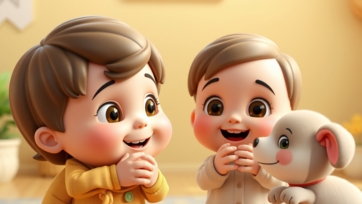
In a cheerful village named Rainbow Valley, there lived a kind-hearted boy named Samir. Samir loved to play, read stories, and explore the village, but what made him special was his willingness to help everyone around him. He always believed that helping others brings joy, not just to them, but also to the person who helps.

This kids moral story teaches children the value of kindness, generosity, and the happiness that comes from helping others.


Samir and His Daily Acts of Kindness:

Every morning, Samir would greet his neighbors with a smile. He helped his elderly neighbor carry water, assisted his younger sister with homework, and shared his snacks with friends.

Samir’s mother often said, “Samir, a heart that helps others is always full of happiness.” Samir truly believed in her words and lived by them every day.


A Surprise for the Village:

One day, the village school organized a small festival. Children were asked to bring food, toys, and clothes to share with families who needed them. Samir gathered his toys, storybooks, and snacks and happily took them to school.

When he reached the festival, he saw many children sharing their belongings. Some were shy, but Samir encouraged them, saying, “Sharing and helping makes everyone happy, including us!”


Helping the Lost Puppy:

While walking home from school, Samir heard a small whimper. Behind a bush, he found a little puppy trapped in some ropes. The puppy struggled and looked scared.

Samir quickly untangled the ropes and patted the puppy gently. The puppy wagged its tail and followed Samir home. Samir fed him and found his owner in the village. The owner thanked Samir with tears in her eyes.

Joy of Helping:

Samir felt a warm happiness in his heart. Helping the puppy made him feel proud, and he realized how wonderful it is to care for others.


Helping Friends and Family:

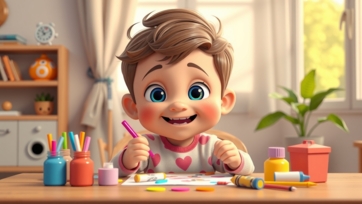
At home, Samir continued his small acts of kindness. He helped his sister paint a picture, cleaned his neighbor’s garden, and gave food to stray animals. Each time, he felt happier and more confident.

The villagers noticed Samir’s good heart. They started following his example, creating a community filled with care, sharing, and happiness.


Why Helping Others Makes You Happy:

This story teaches children that:

  • Kindness spreads joy to both giver and receiver

  • Helping others strengthens friendships

  • Small acts of care can make a big difference

  • Being thoughtful creates a happy community

True Happiness Explained:

Happiness grows when you make someone else smile. The more you help, the brighter your heart shines.


Moral of the Story:

Helping others makes you happy. Acts of kindness, sharing, and care bring joy that lasts longer than selfish pleasures.


Why Kids Should Read This Story:

This children’s moral story helps kids:

  • Learn the value of helping and sharing

  • Understand the joy of doing good deeds

  • Build empathy and care for others

  • Develop positive habits and strong moral character

Parents and teachers can use this story as a bedtime tale or classroom lesson to teach kindness and generosity.


Final Message:

💖 Be kind, help others, and remember — every small act of goodness brings happiness to the world and your heart. 💖

Advertisement
Friendship Lessons for Young Kids
Friendship is one of the most important relationships in a child’s life. Learning how to make friends, share, and cooperate helps children develop social skills, empathy, and emotional intelligence. In this article, we will explore friendship lessons for young kids with fun examples, activities, and practical tips that teach the value of being a good friend. Why Friendship Is Important for Young Kids: Friendship helps children: Build social skills and communication abilities Learn empathy and understanding Develop teamwork and cooperation Gain emotional support and confidence Enjoy fun, play, and shared experiences Early lessons in friendship set the foundation for strong, meaningful relationships throughout life. Key Friendship Lessons for Kids: 1. Sharing and Taking Turns: Learning to share toys and take turns is essential for building trust and cooperation. 2. Being Kind and Respectful: Using polite words, listening, and showing care strengthens bonds with friends. 3. Helping Others: Simple acts like helping a friend tie shoelaces or clean up teach generosity and support. 4. Understanding Feelings: Recognizing and respecting friends’ emotions develops empathy and patience. 5. Saying Sorry and Forgiving: Teaching children to apologize when they make mistakes and forgive others fosters healthy friendships. Fun Activities to Teach Friendship Lessons: 1. Role-Playing Friend Scenarios: Act out situations like sharing toys, comforting a sad friend, or taking turns in games. What Kids Learn: How to behave kindly and solve friendship challenges. 2. Friendship Art and Crafts: Children make friendship bracelets, cards, or drawings for friends. What Kids Learn: Appreciation, creativity, and expressing care. 3. Storytime About Friends: Read stories where characters demonstrate teamwork, kindness, and loyalty. Example: “Frog and Toad” series teaches helping and understanding friends. What Kids Learn: Real-life examples of being a good friend. 4. Cooperative Games: Play games that require teamwork, such as building blocks together or group puzzles. What Kids Learn: Cooperation, patience, and mutual support. How Parents and Teachers Can Encourage Friendship: Model Positive Friendships: Children observe how adults treat their friends. Provide Opportunities to Socialize: Arrange playdates or group activities. Discuss Friendship Values: Talk about trust, sharing, and kindness in simple words. Praise Positive Behavior: Recognize acts of helping, sharing, or supporting friends. Guide Through Conflicts: Help children resolve misunderstandings calmly and fairly. Benefits of Learning Friendship Lessons for Kids: Children who learn friendship lessons develop: Strong social and communication skills Emotional intelligence and empathy Confidence and self-esteem Problem-solving and conflict resolution abilities Lifelong positive relationships Friendship lessons lay the foundation for happy and well-rounded children. Conclusion: Friendship is a key part of a child’s growth and happiness. Teaching young kids friendship lessons through stories, activities, and everyday interactions helps them understand sharing, kindness, cooperation, and empathy. By guiding children to build strong and caring friendships, parents and teachers nurture confident, socially skilled, and compassionate individuals.
Coding for Kids: Fun Beginner Ideas
Introducing coding to children at an early age is a fantastic way to develop their problem-solving skills, creativity, and logical thinking. Coding for kids doesn’t have to be complicated; with fun beginner ideas, children can learn programming basics while enjoying games, stories, and interactive projects. Why Coding is Important for Kids: Learning coding helps kids think logically, break problems into smaller steps, and develop critical thinking skills. It also encourages creativity, teamwork, and resilience. Coding provides a foundation for future STEM learning and career opportunities in technology. The Role of Parents and Educators: Parents and teachers can make coding fun by introducing simple, visual programming tools like Scratch, Blockly, or Code.org. Encouraging children to experiment, ask questions, and solve puzzles helps them enjoy the learning process while building essential skills. Fun Beginner Coding Ideas for Kids: There are many creative ways to start coding without overwhelming children. Beginner ideas focus on games, stories, animations, and interactive projects. Interactive Storytelling: Kids can create their own stories using coding platforms. For example, they can animate characters, add dialogues, and design scenes. Story-based coding improves imagination, sequencing, and basic programming logic. Simple Games: Designing simple games like a maze, matching game, or catch-the-falling-object game teaches kids concepts like loops, conditions, and event handling. Platforms like Scratch make it easy to drag and drop blocks to create functional games. Animations and Art: Coding can be used to create colorful animations, drawings, and interactive art. Kids learn about coordinates, colors, and sequences while making visually appealing projects. This approach combines creativity with technical skills. Getting Started with Coding Tools: Several coding platforms are designed specifically for kids. They provide visual learning, tutorials, and fun challenges. Scratch: Scratch is a beginner-friendly platform where kids can drag and drop blocks to create interactive stories, games, and animations. It’s suitable for ages 7 and above and allows sharing projects with a safe online community. Blockly: Blockly uses visual blocks to teach coding logic and syntax. It introduces concepts like loops, conditionals, and variables in a fun, easy-to-understand way. Code.org: Code.org offers guided lessons, puzzles, and coding challenges suitable for kids of all ages. It introduces programming concepts through interactive tutorials and gamified activities. Tips to Encourage Kids to Code: Start Small: Begin with short projects to keep kids motivated. Make it Fun: Use games, animations, and interactive stories. Encourage Experimentation: Let kids explore, make mistakes, and learn from them. Use Rewards: Praise completion of projects and creativity. Join Coding Communities: Safe online groups help kids share ideas and get inspired. Benefits of Early Coding Skills: Learning coding at a young age improves problem-solving, critical thinking, creativity, and teamwork. It also boosts confidence, helps kids understand technology, and prepares them for future digital careers. Conclusion: Coding for kids doesn’t have to be intimidating. Fun beginner ideas like interactive stories, games, and animations make learning enjoyable and educational. By introducing coding early, parents and educators can help children develop essential 21st-century skills, creativity, and a love for problem-solving.
Birds and Their Sounds: A Kids’ Guide
Birds are fascinating creatures that come in many shapes, sizes, and colors. One of the most interesting things about birds is the variety of sounds they make. Teaching children about birds and their sounds helps them explore nature, develop listening skills, and learn about animal behavior. In this article, we will explore birds and their sounds: a kids’ guide with fun facts, examples, and activities. Why Learning About Birds and Their Sounds Is Important for Kids: Understanding birds and their sounds helps children: Connect with nature and wildlife Improve observation and listening skills Learn about animal communication and behavior Encourage curiosity and scientific thinking Develop appreciation for biodiversity Birds provide an exciting way to introduce children to the natural world. How Birds Communicate Through Sounds: Birds use sounds to: Attract a mate: Singing helps them find a partner. Mark territory: Calls warn other birds to stay away. Warn of danger: Alarm calls alert others to predators. Find family members: Young birds communicate with parents through calls. Learning these sounds teaches children about animal behavior and communication. Examples of Birds and Their Sounds: 1. Crows: Make “caw caw” sounds Often seen as intelligent and curious birds 2. Parrots: Can mimic human speech and other sounds Colorful and playful 3. Owls: Make “hoot hoot” sounds Usually active at night and known for their wisdom in stories 4. Sparrows: Chirp happily, making “cheep cheep” sounds Common and friendly birds 5. Peacocks: Make loud calls, especially during mating season Known for their beautiful tail feathers Fun Facts About Birds for Kids: Some birds can imitate sounds from their surroundings. Birds have different songs depending on their species and location. The fastest bird is the peregrine falcon. Birds use calls to stay connected with family or alert others of danger. Some birds migrate thousands of miles every year. Activities to Teach Kids About Birds and Their Sounds: 1. Bird Watching: Take children outside to observe birds and listen to their sounds. What Kids Learn: Observation, patience, and identification skills. 2. Sound Matching Game: Play recordings of bird sounds and ask kids to match them with pictures of birds. What Kids Learn: Listening skills and memory. 3. Drawing and Coloring Birds: Encourage children to draw birds they see or imagine, labeling their sounds. What Kids Learn: Creativity and recognition of different bird species. 4. DIY Bird Feeder: Make a simple bird feeder and observe which birds visit. What Kids Learn: Responsibility, care for wildlife, and observation. How Parents and Teachers Can Encourage Bird Learning: Provide books or videos about birds and their habitats Encourage nature walks and outdoor observation Ask questions about bird sounds and colors Involve children in safe wildlife activities, like feeding or photographing birds Make learning fun with games, songs, and storytelling about birds Benefits of Learning About Birds and Their Sounds for Kids: Children who learn about birds develop: Stronger observation and listening skills Curiosity and love for nature Understanding of animal behavior and habitats Emotional connection to wildlife Knowledge of biodiversity and environmental awareness Exploring birds and their sounds provides both education and entertainment for young minds. Conclusion: Learning about birds and their sounds is a fun and educational activity for children. By observing, listening, and engaging with nature, kids can explore how birds communicate, their unique features, and their habitats. Teaching children about birds encourages curiosity, empathy, and a lifelong appreciation for wildlife and the natural world.
Why Do We Need Air to Breathe? Simple Science for Kids
Have you ever stopped to think about the air around you? We cannot see it, but it is all around us, and it is very important for life. Every living creature, including humans, animals, and even plants, needs air to survive. This kids science story explains why air is important and how it helps us live in a fun and simple way. What Is Air? Air is a mixture of gases that surrounds the Earth. It is mostly made of: Nitrogen (78%) Oxygen (21%) Small amounts of carbon dioxide, argon, and other gases Even though we cannot see air, it is all around us, filling every space and helping living things survive. Why Oxygen Is Important Oxygen is the most important part of air for humans and animals. When we breathe in, our lungs take in oxygen and send it to every part of our body through the blood. Our body uses oxygen to: Make energy for muscles and organs Keep our heart and brain working Help us grow and stay healthy Without oxygen, we cannot survive for more than a few minutes! How Animals Use Air All animals breathe too! Fish use gills to get oxygen from water. Birds have special lungs to take in lots of oxygen. Mammals, like cats, dogs, and humans, breathe air using lungs. Every living creature needs air in its own way to stay alive. Plants and Air Plants need air too. They take in carbon dioxide from the air and use sunlight to make food through photosynthesis. In return, plants release oxygen for us to breathe. This shows that air connects all living things, helping both plants and animals survive. Fun Experiments to Explore Air Kids can try these simple activities: Blow up a balloon to see air take up space. Put a cup of water upside down in a bowl and notice that air keeps water from falling. Watch bubbles in water — they show air moving in and out. These experiments help children see and understand air in a hands-on way. Why Air Is Important Air is essential for life because it: Provides oxygen for humans and animals Helps plants grow and produce oxygen Supports flying birds and gliding insects Keeps the weather and wind moving We must take care of the air by keeping it clean and avoiding pollution. Moral of the Story We need air to breathe because it gives us oxygen, supports life, and connects all living things. Air is invisible but very important for life on Earth. Why Kids Should Read This Story This simple science story for kids helps children: Learn why breathing air is essential Understand the role of oxygen and carbon dioxide Appreciate nature and the environment Develop curiosity about science and life Parents and teachers can use this story as a classroom lesson or bedtime science tale. Final Message 💨 Air is invisible, powerful, and life-giving — breathe deeply, respect nature, and enjoy the gift of air! 💨
Learn Counting 1 to 100 Easily
Counting is one of the first and most important skills every child learns. Numbers help us understand the world, tell stories, solve problems, and have fun with games. Learning to count from 1 to 100 might sound tricky at first, but with simple steps, fun activities, and practice, kids can become counting experts in no time! Why Learning to Count is Important Counting is not just about numbers. It helps children develop math skills, logical thinking, and problem-solving abilities. Here’s why counting matters: Math foundation: Counting is the first step to addition, subtraction, and other math skills. Everyday life: We use numbers daily, like counting toys, fruits, or steps. Confidence boost: Knowing numbers makes kids feel smart and independent. By learning to count from 1 to 100, kids get ready for more exciting math adventures! Step-by-Step Guide to Counting from 1 to 100 H3: Start with 1 to 10 Begin with small numbers. Count objects like toys, fruits, or pencils. Example Activity: Take 5 apples. Count them one by one: “1, 2, 3, 4, 5.” Repeat every day until your child is confident with numbers 1–10. Tip: Use colorful objects. Visuals make counting fun! H3: Move to 11 to 20 After 1–10, introduce numbers 11–20. Fun Trick: Use fingers and toes to count: 10 fingers + 1 finger = 11. Say the numbers aloud and clap your hands with each number. Example:“11, 12, 13, 14, 15, 16, 17, 18, 19, 20.” H3: Counting in Tens Once kids know 1–20, teach numbers in tens: 10, 20, 30, …, 100. Activity: Line up 10 toy blocks. Each row of 10 blocks represents a ten. Count each row: 10, 20, 30… This shows how numbers grow. Tip: You can also use coins, pencils, or small snacks. H3: Counting 21 to 100 After 1–20, combine your knowledge of tens and ones to count higher numbers. Fun Method: Break numbers into tens and ones. Example: 34 = 30 + 4. Say the tens first, then add the ones: “Thirty-four.” Example Activity: Draw a hundred chart. Fill it together from 1 to 100. Color each number as you say it. Kids love colorful counting! Fun Counting Games for Kids H4: Number Hunt Hide objects around the room. Ask your child to find and count them. Count together out loud for fun practice. H4: Jump Counting Draw numbers on the floor with chalk. Jump on each number while saying it aloud. Physical activity helps remember numbers faster. H4: Counting Songs Sing songs like “One, Two, Three, Four, Five” to make learning lively. Music helps memory and makes counting exciting. Tips for Easy Counting Practice Daily: Counting a few minutes every day is better than long sessions. Use Real Objects: Toys, fruits, coins, or crayons make numbers real. Celebrate Achievements: Clap and cheer for every milestone. Use Visual Charts: Hundred charts, number lines, and colorful books help remember sequences. Learning Through Stories and Lessons H4: Story Example: Counting with Animals Imagine a farm with 10 playful puppies. You feed them one by one: “One puppy, two puppies…” Now, add 5 kittens joining the puppies: “11, 12, 13, 14, 15.” Lesson: Counting helps organize things and solve small problems. H4: Moral of Counting Counting teaches patience, attention, and careful thinking. Children learn to observe, focus, and enjoy the small steps toward bigger achievements. Conclusion Learning to count from 1 to 100 is fun, easy, and full of adventure when you use games, songs, objects, and colorful charts. Start small with 1–10, move to 11–20, then tens, and finally 1–100. With daily practice, your child will not only learn numbers but also build confidence, logic, and problem-solving skills. Counting is the first step to exploring the amazing world of numbers!
Fascinating Animal Facts Every Child Should Know
Animals are one of the most exciting topics for children. From tiny insects to giant elephants, the animal world is full of surprises. Learning about animals helps children understand nature, develop kindness toward living beings, and grow curiosity about the world around them. In this article, we will explore fascinating animal facts every child should know in a fun, simple, and educational way. Why Learning About Animals Is Important for Children: Animals help children learn many important life lessons. By studying animals, kids understand how different creatures live, survive, and interact with nature. Learning animal facts helps children: Build curiosity and observation skills Learn about nature and the environment Develop empathy and responsibility Improve memory and knowledge Enjoy learning through fun facts Animal knowledge also encourages children to protect wildlife and care for the planet. Amazing Facts About Mammals That Kids Love: Mammals are animals that usually have fur or hair and feed milk to their babies. Elephants Have Incredible Memories: Elephants can remember places and other elephants for many years. They are known to be very intelligent and emotional animals. Dolphins Are Very Smart: Dolphins can recognize themselves in mirrors and communicate using sounds. They are one of the smartest animals in the ocean. Bats Are the Only Flying Mammals: Bats are special because they can fly. They use echolocation to find food in the dark. Whales Are the Largest Animals on Earth: The blue whale is bigger than any dinosaur that ever lived. Its heart alone can be as big as a small car. Interesting Bird Facts That Will Surprise Children: Birds are animals with feathers and wings, and many of them can fly. Ostriches Are the Largest Birds: Ostriches cannot fly, but they can run very fast. They also lay the largest eggs in the world. Hummingbirds Can Fly Backward: Hummingbirds are tiny birds that can hover in the air and fly backward, which most birds cannot do. Owls Can Turn Their Heads Around: Owls can turn their heads almost all the way around because they have flexible necks. Penguins Are Birds That Swim: Penguins cannot fly, but they are excellent swimmers and live in very cold places. Reptile Facts That Make Kids Curious: Reptiles are cold-blooded animals with scales. Snakes Can Smell with Their Tongues: Snakes use their tongues to collect smells from the air and understand their surroundings. Turtles Carry Their Homes: A turtle’s shell protects it from danger and grows with the turtle as it gets older. Chameleons Change Color: Chameleons change color to communicate and control their body temperature, not just to hide. Cool Facts About Insects and Small Creatures: Even tiny animals can do amazing things. Ants Are Very Strong: Ants can lift objects many times heavier than their own body weight. Bees Help Make Our Food: Bees pollinate plants, which helps fruits and vegetables grow. Butterflies Taste with Their Feet: Butterflies use their feet to taste plants before laying eggs. Spiders Are Not Insects: Spiders have eight legs and belong to a different group called arachnids. Sea Animal Facts That Children Find Exciting: The ocean is home to many mysterious creatures. Octopuses Have Three Hearts: Two hearts pump blood to the gills, and one pumps it to the rest of the body. Sharks Have Been Around for Millions of Years: Sharks lived on Earth even before dinosaurs. Starfish Can Grow New Arms: If a starfish loses an arm, it can grow a new one over time. Seahorses Have a Unique Family Role: Male seahorses carry and give birth to babies. Fun Animal Behavior Facts for Kids: Dogs Can Understand Human Feelings: Dogs can sense emotions like happiness and sadness through voice and body language. Cats Sleep a Lot: Cats can sleep up to 16 hours a day to save energy. Monkeys Love to Play: Monkeys are playful animals and use games to learn and socialize. Animals With Special Survival Skills: Animals have unique abilities that help them survive. Camels Store Energy in Their Humps: Camels store fat in their humps, helping them survive in deserts. Frogs Can Breathe Through Their Skin: Frogs can absorb oxygen through their skin when underwater. Polar Bears Have Thick Fur and Fat: This helps them stay warm in freezing Arctic temperatures. How Animals Help Humans and Nature: Animals play an important role in our lives and the environment. Animals help by: Pollinating plants Keeping ecosystems balanced Providing companionship Teaching responsibility and care Understanding animals helps children respect and protect them. Simple Ways Children Can Learn More About Animals: Reading Animal Books: Picture books and fact books make learning fun. Watching Nature Programs: Documentaries help children see animals in their natural habitats. Visiting Zoos and Wildlife Parks: Seeing animals in real life makes learning memorable. Drawing and Craft Activities: Creative activities help kids remember animal facts. What Animal Facts Teach Children: By learning animal facts, children develop: Curiosity and love for nature Observation and thinking skills Respect for living beings Environmental awareness Animal education shapes kind and responsible future citizens. Conclusion: The animal world is full of wonders that amaze children and adults alike. From intelligent dolphins to tiny hardworking ants, every animal has something special to teach us. Learning fascinating animal facts every child should know makes education enjoyable, meaningful, and inspiring. By exploring animal life, children grow smarter, kinder, and more curious about the beautiful world they live in.
Easy Subtraction Tricks for Children
Subtraction is one of the first math skills children learn after counting and addition. It helps kids take away, compare numbers, and solve problems. Learning subtraction can be fun and easy with simple tricks, stories, and interactive activities. Why Subtraction is Important: Subtraction teaches children to take away and find what’s left. It is the foundation for division, subtraction stories, and real-life problem-solving. Subtraction improves thinking, focus, and memory skills. Children use subtraction in daily life, like sharing candies, toys, or counting steps. Basic Subtraction Explained: 1. What is Subtraction?: Subtraction means taking away one number from another to find what remains. Example: 5 apples – 2 apples = 3 apples 8 toys – 3 toys = 5 toys Fun Tip: Use real objects like fruits or blocks to make subtraction visual and easy. 2. Subtraction with Fingers: Children can use their fingers to subtract numbers. Example: Hold up 7 fingers, fold 3 fingers → 7 – 3 = 4 This helps children see and feel numbers being taken away. 3. Number Line Subtraction: Draw a number line from 0 to 20 or 50. Start at the first number, then jump backward for the second number. The number you land on is the difference. Example: 9 – 4: Start at 9, jump back 4 steps → land on 5 Fun Subtraction Activities for Kids: 1. Subtraction with Toys: Use blocks, cars, or dolls. Ask children to remove some toys from a group and count what remains. Example: 10 blocks – 3 blocks = 7 blocks 2. Subtraction Stories: Create small subtraction stories. Example Story: “Lily had 6 candies. She gave 2 to her friend. How many candies are left?” Answer: 6 – 2 = 4 Stories make subtraction fun and relatable. 3. Drawing and Coloring: Draw objects and cross out the ones taken away. Helps children visualize subtraction. Example: Draw 8 apples, cross out 3 → 5 apples remain. 4. Subtraction Songs: Sing songs that include taking away numbers. Music helps children remember subtraction easily. Easy Subtraction Tricks for Kids: Count Backwards: Start from the bigger number and count backward. Use Fingers or Objects: Visual aids make subtraction concrete and simple. Subtract in Groups: Take away numbers in small groups to avoid mistakes. Practice Daily: Short daily exercises improve speed and accuracy. Story Example: The Cookie Subtraction Adventure: Tom had 10 cookies. He ate 3 cookies and gave 2 to his friend. First, 10 – 3 = 7 cookies Then, 7 – 2 = 5 cookies left By breaking subtraction into small steps, Tom counted the remaining cookies easily. Lesson: Subtraction becomes easier when done step by step. Interactive Games for Subtraction: Subtraction Hopscotch: Draw numbers on the ground and jump backward to subtract numbers. Toy Subtraction Race: Arrange toys and ask children to remove some and count the rest. Number Line Backward Jump: Use a number line and jump back steps to find differences. Cross Out Game: Draw 10–20 objects and cross out some, counting what remains. Interesting Comparisons for Kids: Subtraction is like taking away blocks from a Lego tower. It’s like eating some candies from a jar and counting what’s left. Subtraction shows that removing some numbers makes a smaller number. Tips to Learn Subtraction Quickly: Use Real-Life Objects: Count toys, fruits, or pencils. Make It Fun: Use games, songs, or stories. Practice Regularly: Daily subtraction exercises help memorize differences. Step-by-Step: Break problems into small, simple steps. Conclusion: Easy subtraction is fun and engaging for children when taught with objects, stories, and games. By practicing daily, using toys and number lines, and solving small subtraction problems, kids can learn numbers, improve counting skills, and enjoy math. Subtraction is not just numbers—it’s a skill for everyday life!
Learn Shapes with Fun Examples for Kids
Shapes are all around us! Learning about different shapes helps children understand geometry, patterns, and spatial awareness. Shapes make the world colorful and fun, and recognizing them is an important early math skill. Why Learning Shapes is Important: Shapes help children recognize objects around them. Learning shapes improves creativity and problem-solving. Shapes are the foundation for geometry and math skills. Understanding shapes helps kids draw, build, and explore patterns. Common Shapes and Their Features: 1. Circle: Round with no corners or edges. Examples: ball, clock, plate, wheel. Fun Activity: Trace circles with a cup or lid. 2. Square: Has 4 equal sides and 4 corners. Examples: window, chessboard, box. Fun Activity: Find squares around the house. 3. Triangle: Has 3 sides and 3 corners. Examples: pizza slice, roof, traffic sign. Fun Activity: Use straws or sticks to make triangles. 4. Rectangle: Has 4 sides, 2 long and 2 short. Examples: door, book, table. Fun Activity: Cut colored paper into rectangles. 5. Oval: Looks like an egg, round but longer. Examples: egg, rugby ball, mirror. Fun Activity: Draw ovals with pencils or markers. 6. Star: Has points extending from the center. Examples: starfish, decoration, night sky. Fun Activity: Draw stars and color them brightly. 7. Heart: A symbol of love, curved on top and pointed at the bottom. Examples: heart shapes in cards or decorations. Fun Activity: Cut heart shapes from colored paper. Fun Ways to Learn Shapes: 1. Shape Hunt Game: Look around the house or school and find objects in different shapes. Children can count how many circles, squares, or triangles they see. 2. Shape Drawing and Coloring: Draw simple shapes and ask children to color or decorate them. Helps with recognition and creativity. 3. Build Shapes with Toys: Use blocks, Lego, or sticks to create different shapes. Encourages hands-on learning and fine motor skills. 4. Shape Sorting Activity: Give children cut-out shapes and ask them to sort by type or color. Teaches classification and observation skills. Story Example: Shapes Adventure: Lily went on a shape adventure around her home: She found a circle plate, a square window, and a triangle roof. She counted and drew each shape in her notebook. By the end of the day, Lily could identify all shapes and even help her friends learn them. Lesson: Learning shapes can be a fun exploration in daily life. Interactive Games for Shapes: Shape Matching: Match objects to their shapes. Shape Puzzle: Solve puzzles using triangles, squares, or circles. Shape Drawing Race: Children draw shapes quickly on paper. Shape Sorting Hunt: Find items of each shape around the room. Interesting Comparisons for Kids: Circles are like wheels or clock faces. Triangles are like pizza slices or roofs of houses. Squares are like chessboards or gift boxes. Rectangles are like doors or books. Tip: Compare shapes with real objects in the child’s environment to make learning practical and fun. Tips to Learn Shapes Quickly: Practice Daily: Observe shapes in your home or classroom. Use Real Objects: Relate shapes to toys, furniture, or food. Interactive Games: Play matching, sorting, and drawing games. Storytelling: Make fun stories around shapes to engage memory. Conclusion: Learning shapes is an exciting adventure! By recognizing circles, squares, triangles, and more, children develop math, creativity, and observation skills. With games, stories, and hands-on activities, kids can enjoy learning about shapes in a fun and practical way. Shapes are everywhere, and exploring them makes learning colorful, interactive, and enjoyable.