Amazing Facts About Lions

Lions are one of the most fascinating animals in the wild. Known as the kings of the jungle, they are admired for their strength, courage, and majestic appearance. Learning about lions helps children understand nature, wildlife, teamwork, and survival skills. This article will explore amazing lion facts, fun stories, games, and activities that make learning about lions exciting and interactive.


Why Lions Are Special:

Lions are unique in many ways:

  • They are big cats and one of the largest land predators.

  • Lions live mostly in Africa, but some can be found in India’s Gir Forest.

  • Lions are social animals, living in groups called prides.

  • Their roar is so loud it can be heard up to 8 kilometers away, which helps them communicate and mark their territory.

Learning about lions helps children understand animal behavior, nature, and survival strategies.


Amazing Lion Facts:

1. Strong and Powerful:

Adult male lions can weigh between 150–250 kilograms, while female lions are slightly smaller but are excellent hunters. Their muscular bodies allow them to run fast for short distances to catch prey.

Fun Example:

  • Imagine carrying 10–12 heavy school backpacks at once—that’s almost how strong a lion’s muscles are!


2. Life in a Pride:

Unlike most big cats, lions are social animals. They live in prides that usually include 10–15 lions, with adult males, females, and cubs. Female lions work together to hunt, while male lions protect the pride from intruders.

Fun Activity:

  • Children can role-play as a lion pride, dividing roles into hunters, protectors, and cubs to understand teamwork.


3. Lion Cubs:

Lion cubs are born small and blind, weighing only about 1–2 kilograms. Cubs rely on their mothers for protection and food. They learn hunting skills by watching adult lions and playing with siblings.

Interesting Fact:

  • Cubs often play-fight, which helps them practice hunting and defending themselves when they grow up.


4. Hunters of the Savannah:

Lions are carnivores. They mostly hunt zebras, antelopes, buffaloes, and sometimes smaller animals. Hunting is usually done at night or during early morning, when the temperature is cooler.

Fun Game for Kids:

  • Hide small toys or objects around a room and ask children to “hunt” like lions, practicing stealth and focus.


5. Lions Roar Loudly:

A lion’s roar is one of the loudest sounds in the animal kingdom. Roars can travel long distances to warn other lions or intruders. Male lions roar more often than females to show dominance.

Activity:

  • Children can try roaring like lions in a safe environment. It’s fun and helps them understand how animals communicate.


6. Unique Features:

  • Mane: Male lions have a mane to protect their neck during fights and to look bigger to rivals.

  • Tail Tuft: Lions have a tuft at the end of their tails which helps communicate with pride members.

  • Eyesight: Lions can see six times better at night than humans, which helps in hunting.


Fun Lion Stories for Kids:

Story 1: Leo the Brave Cub:

Leo was a small lion cub who wanted to learn how to roar like his father. He practiced every day, even when he was shy. Soon, he could roar loudly enough to protect his pride from intruders.

Lesson: With courage, practice, and guidance, children (and cubs!) can become confident and strong.

Story 2: The Lion Who Shared:

In a forest, a lion found a large piece of meat. Instead of eating it alone, he shared it with his cubs and a few weaker animals nearby. Everyone was grateful, and the lion became loved and respected in the forest.

Lesson: Sharing and kindness make you a hero, even in the animal kingdom!


Fun Activities to Learn About Lions:

1. Lion Drawing Activity:

  • Draw a lion with its mane, tail, and paws.

  • Use golden, brown, and yellow colors to make it realistic.

2. Lion Role Play Game:

  • Children can act as lions in a pride. Assign roles like hunters, protectors, and cubs.

  • This helps kids understand teamwork and responsibilities in nature.

3. Lion Sound Game:

  • Children can imitate lion roars, practicing volume and expression.

  • It teaches communication and fun observation skills.

4. Lion Fact Hunt:

  • Write interesting lion facts on cards and hide them around the room.

  • Children find and read aloud the facts, combining physical activity with learning.


Interesting Lion Comparisons for Kids:

  • A lion can run up to 80 km/h, but only for short distances. That’s faster than most cars in the village!

  • Lions sleep for 16–20 hours a day, conserving energy for hunting.

  • A lion’s heart is very strong, pumping blood to support their massive muscles.

Activity:

  • Children can compare their daily activities with lions—sleep, eat, play, and run—to understand animal habits.


Conclusion:

Lions are amazing, strong, and social creatures. They teach children about courage, teamwork, responsibility, and survival. By exploring lion facts, playing role games, drawing, and acting out stories, kids can learn about nature in an interactive and exciting way. Learning about lions helps children appreciate wildlife and develop curiosity, empathy, and respect for animals.

Advertisement
Healthy Eating Habits for Kids
Teaching kids healthy eating habits is essential for their growth, energy, and overall well-being. Good nutrition helps children develop strong bones, a healthy immune system, and the ability to focus in school. Introducing healthy foods and making mealtime fun encourages lifelong positive habits. Why Healthy Eating is Important for Kids: Healthy eating provides essential nutrients, vitamins, and minerals for physical and mental development. Kids who eat a balanced diet have more energy, better concentration, and stronger immunity. Early exposure to fruits, vegetables, whole grains, and proteins builds a foundation for healthy eating patterns that last a lifetime. The Role of Parents and Caregivers: Parents are role models when it comes to food choices. Children imitate adult behaviors, so eating nutritious meals and involving kids in meal preparation encourages healthy habits. Caregivers can make mealtime enjoyable and educational by discussing the benefits of different foods. Essential Nutrients for Growing Kids: Children need a variety of nutrients to grow properly and stay healthy. Proteins: Proteins help build muscles, repair tissues, and support growth. Good sources include eggs, beans, fish, chicken, and dairy products. Fruits and Vegetables: Fruits and vegetables provide vitamins, minerals, and fiber. Encourage colorful plates with a mix of leafy greens, berries, carrots, and other seasonal produce. Whole Grains: Whole grains like oats, brown rice, and whole wheat bread provide energy and aid digestion. They keep children full and focused during the day. Dairy Products: Milk, cheese, and yogurt are rich in calcium and vitamin D, which are vital for strong bones and teeth. Tips for Encouraging Healthy Eating: Creating positive food habits in children requires creativity and patience. Make Meals Fun: Use colorful plates, cut fruits into shapes, and create fun food art. Visual appeal encourages children to try new foods. Involve Kids in Cooking: Children are more likely to eat healthy meals if they help prepare them. Simple tasks like washing vegetables or stirring ingredients make cooking exciting and educational. Set a Routine: Regular meal and snack times help children develop consistent eating habits. Avoid skipping meals or relying on junk food. Limit Sugary and Processed Foods: Reduce candy, chips, and soda. Offer healthier alternatives like fruit smoothies, nuts, or yogurt with honey. Healthy Snacks for Kids: Fresh fruits like apples, bananas, or berries Vegetable sticks with hummus Whole-grain crackers or granola bars Yogurt with nuts or seeds Teaching Kids About Portion Sizes: Children should learn to recognize appropriate portion sizes. Using smaller plates, explaining serving sizes, and encouraging mindful eating helps kids avoid overeating while appreciating different foods. Role of Hydration: Drinking enough water is just as important as eating healthy foods. Water supports digestion, maintains energy, and prevents dehydration. Limit sugary drinks and promote water, milk, or natural fruit juices. Making Healthy Choices at School: Kids spend a lot of time at school, so teaching them to make healthy choices outside home is essential. Encourage: Packing balanced lunches and snacks Choosing water over soda or juice boxes Eating fruits and vegetables first Sharing healthy food ideas with friends Benefits of Healthy Eating for Kids: Strong bones, teeth, and muscles Improved concentration and energy Healthy weight management Reduced risk of illnesses Positive lifelong eating habits Conclusion: Healthy eating habits for kids are crucial for growth, learning, and overall wellness. By offering balanced meals, involving children in cooking, and making food fun and educational, parents and caregivers can encourage children to develop positive eating habits. With consistent guidance, children learn to make healthy choices that benefit their body, mind, and future.
The Brave Little Rabbit Story
Once upon a time, in a lush green meadow, there lived a little rabbit named Ruby. She was small, fluffy, and very curious, but most of all, Ruby was brave. Unlike other rabbits who were afraid of danger, Ruby loved to explore and help her friends in the meadow. Ruby’s Daily Adventures: Every day, Ruby would hop around the meadow, discovering: Beautiful flowers and tasty plants. Hidden paths near the forest. Friends in need, like birds, squirrels, and tiny insects. Ruby believed that being small didn’t mean she couldn’t be courageous and kind. The Danger in the Meadow: One sunny morning, a hungry fox entered the meadow. All the animals were frightened and ran to hide. Ruby noticed a group of baby birds stranded on a branch near the fox. She had to think fast. The Brave Plan: Ruby remembered a small tunnel under a bush that led safely to the bird’s nest. She hopped as fast as she could, making sure the fox didn’t see her. Ruby guided the baby birds through the tunnel to safety. The baby birds chirped happily and thanked Ruby for her bravery. Lesson: Even the smallest animals can show courage and save others. Helping Friends is Important: Later, Ruby saw a squirrel struggling to carry nuts up a tree. She helped by nudging the nuts toward the tree, making it easier for the squirrel to store them for winter. The squirrel said, “Thank you, Ruby! You are the bravest rabbit I know!” Lesson: Being brave isn’t just about facing danger; it’s also about helping and supporting friends. Fun Activities with the Story: 1. Role Play: Children can act as Ruby, the baby birds, squirrels, and the fox. This teaches problem-solving, bravery, and teamwork. 2. Drawing Activity: Draw Ruby saving the baby birds or helping friends. Use bright colors to make it fun and imaginative. 3. Story Discussion: Ask children: How did Ruby help her friends? What would you do if you were in Ruby’s place? How can small actions make a big difference? 4. Rabbit Hop Game: Children can hop like rabbits through an obstacle course. This helps develop coordination, balance, and fun learning. Interesting Comparisons for Kids: Ruby’s courage is like children standing up for their friends. Helping friends in need teaches the importance of kindness and empathy. Even small animals or kids can make a big difference in their community. Conclusion: The story of The Brave Little Rabbit teaches children about courage, kindness, and helping others. Ruby shows that no matter how small you are, you can be brave and make a difference. By acting out the story, drawing, and playing related games, children can learn valuable life lessons in an engaging and fun way.
Simple Machines and How They Work for Kids
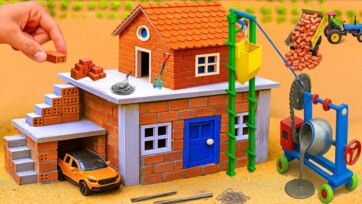
Simple machines are tools that make work easier by helping us lift, push, pull, or move objects. From seesaws to bicycles, simple machines are everywhere in our daily lives. Teaching kids about simple machines helps them understand how things work and encourages curiosity about physics. In this article, we will explore simple machines and how they work for kids in a fun and easy way. Why Learning About Simple Machines Is Important for Kids: Simple machines help children understand basic physics concepts and how humans use tools to make life easier. Learning about simple machines helps kids: Develop problem-solving and critical thinking skills Understand how tools and machines work Explore physics concepts through play Build creativity and observation skills Make science fun and interactive What Are Simple Machines: A simple machine is a device with few or no moving parts that helps do work with less effort. There are six basic types of simple machines. 1. Lever: A lever is a rigid bar that moves around a fixed point called a fulcrum. Example: Seesaw, crowbar, scissors How It Works: A lever helps lift or move heavy objects with less force. 2. Wheel and Axle: A wheel attached to a rod (axle) helps move objects easily. Example: Bicycle wheels, rolling chairs, cars How It Works: Rolling reduces friction and makes transportation easier. 3. Pulley: A pulley is a wheel with a rope or chain that lifts heavy objects. Example: Flagpole pulley, cranes How It Works: Pulleys change the direction of force and can multiply strength. 4. Inclined Plane: A flat surface set at an angle helps move objects up or down. Example: Ramps, slides How It Works: An inclined plane requires less effort to lift objects than lifting them straight up. 5. Wedge: A wedge is a piece of material that is thick on one side and thin on the other. Example: Knife, axe, doorstop How It Works: Wedges help split, cut, or lift objects by concentrating force on a small area. 6. Screw: A screw is an inclined plane wrapped around a cylinder. Example: Bottle caps, jar lids, bolts How It Works: Screws convert circular motion into linear motion, making fastening easier. Fun Facts About Simple Machines for Kids: The wheel and axle were invented thousands of years ago. Levers can make lifting a heavy object feel much lighter. Pulleys are used in elevators and construction cranes. Inclined planes are used in wheelchair ramps and slides. Wedges are one of the oldest tools used by humans. Screws hold objects tightly together and are used in furniture and machines. Simple Experiments and Activities with Simple Machines: 1. Seesaw Lever Experiment: Materials: Ruler, pencil, small weights Place the pencil under the ruler as a fulcrum. Place weights on both sides. What Kids Learn: How a lever balances and lifts objects. 2. Pulley Lift Challenge: Materials: Rope, small bucket, pulley or a wheel Lift small objects using a rope and pulley system. What Kids Learn: Pulleys reduce effort and make lifting easier. 3. Ramp Rolling Activity: Materials: Cardboard, toy cars Make an inclined plane and roll a toy car down it. What Kids Learn: Inclined planes reduce effort and control motion. 4. Screw Demonstration: Materials: Jar lid, screws, screwdriver Observe how turning a screw fastens objects tightly. What Kids Learn: How screws make fastening easier. How Simple Machines Are Everywhere in Daily Life: Kids can find simple machines in many places: Levers: See-saws, scissors Wheels and Axles: Bicycles, cars, rolling suitcases Pulleys: Flagpoles, cranes Inclined Planes: Ramps, slides Wedges: Knives, axes, chisels Screws: Lids, bolts, jar tops Observing these machines helps kids relate science to real life. Tips for Parents and Teachers to Teach Simple Machines: Use toys and household items for hands-on learning Conduct experiments to demonstrate each type Encourage kids to identify simple machines at home or school Ask children to explain how each machine makes work easier Use drawings, charts, and models for visual learning Interactive learning helps children understand and remember concepts better. What Kids Learn from Studying Simple Machines: By learning about simple machines, kids develop: Understanding of basic physics concepts Observation and problem-solving skills Creativity and curiosity about how things work Ability to relate science to everyday life Simple machines make learning practical, exciting, and memorable. Conclusion: Simple machines are everywhere around us, helping people do work more easily. By learning simple machines and how they work for kids, children can explore, experiment, and understand the world better. Fun activities, hands-on experiments, and everyday examples make learning about simple machines exciting and educational. Discovering how tools and machines work encourages curiosity, creativity, and a love for science.
Learning Colors Through Fun Activities
Learning colors is one of the first and most exciting steps in early childhood education. Colors help children recognize objects, express creativity, and understand the world around them. When colors are taught through play and fun activities, children learn faster and remember better. In this article, we will explore learning colors through fun activities in an easy, enjoyable, and child-friendly way. Why Learning Colors Is Important for Kids: Learning colors helps children: Improve observation and visual skills Identify and name objects easily Develop language and communication skills Boost creativity and imagination Build a strong foundation for early learning Colors make learning lively and help children connect ideas with real-life experiences. Fun Activities to Teach Colors to Kids: 1. Color Sorting Games: Give children different colored toys or objects and ask them to sort by color. This activity improves color recognition and sorting skills. 2. Coloring and Painting Activities: Let kids color pictures using crayons, markers, or paints. Encourage them to name each color while coloring. Art activities help children learn colors naturally while having fun. 3. Color Hunt Game: Ask kids to find objects of a specific color around the house or classroom. This game makes learning interactive and exciting. 4. Learning Colors With Fruits and Vegetables: Show colorful fruits like apples, bananas, grapes, and oranges. Ask kids to name their colors before eating them. This connects learning with healthy habits. Creative Ways to Practice Colors Daily: 1. Color Songs and Rhymes: Sing simple songs about colors to make learning memorable. Music helps children remember colors easily. 2. Building With Colorful Blocks: Use blocks to build towers while naming each color used. This improves both creativity and color identification. 3. Storytelling With Colors: Create short stories where colors are characters, like a red apple or a blue sky. Stories make abstract concepts fun and meaningful. 4. Color Matching Cards: Match colored cards with objects of the same color. This strengthens memory and recognition skills. Role of Parents and Teachers in Teaching Colors: Parents and teachers can help by: Talking about colors during daily routines Encouraging kids to name colors they see Making learning playful instead of stressful Praising efforts and small achievements Using everyday objects to teach colors Positive reinforcement helps children learn with confidence. Benefits of Learning Colors Through Fun Activities: Children who learn colors through activities develop: Better focus and observation skills Stronger memory and thinking ability Improved language development Creativity and imagination Love for learning from an early age Fun-based learning builds confidence and curiosity. Conclusion: Learning colors through fun activities makes early education enjoyable and effective. By using games, art, music, stories, and daily interactions, children can learn colors easily while having fun. Encouraging playful learning helps kids build a strong foundation for future education and develops a joyful attitude toward learning.
Sharing Is Caring – A Short Moral Story
In a bright and happy town called Sunshine Ville, there lived a cheerful little girl named Lina. She was smart, playful, and loved her toys very much. Lina had colorful dolls, shiny pencils, storybooks, and delicious snacks, but there was one thing she did not like to do — sharing. This kids moral story teaches children an important life lesson about kindness, sharing, and caring for others. Lina and Her Favorite Toys: Lina spent most of her day playing alone in her room. Whenever her friends came to visit, she hid her toys and snacks. “Please let me play with your doll,” her friend Sara would ask politely. “No, it might break,” Lina would reply. Her mother often said, “Lina, sharing makes friendships stronger,” but Lina did not listen. A New Student at School: One day, a new boy named Aman joined Lina’s class. He was quiet and shy. He did not have many school supplies and often sat alone. During lunch break, Lina opened her lunchbox filled with tasty food. Aman sat nearby with only a plain sandwich. A Missed Chance: Aman looked at Lina’s food but did not ask for any. Lina noticed but quickly turned away. Her teacher, Miss Rose, watched everything carefully. The School Activity Day: A week later, the school announced a fun activity day. Children were asked to bring colors, books, and toys to share and play together. Lina brought her things but kept them inside her bag. Other children happily shared crayons, balls, and snacks. They laughed and played together. Lina sat quietly in a corner. When Lina Needed Help: Suddenly, Lina’s color box fell and broke. Her crayons scattered on the floor, and some broke into pieces. Lina felt sad and started to cry. She looked around, hoping someone would help her. Kind Hearts Respond: Sara came forward and said, “You can use my colors.” Another friend offered paper, and Aman quietly shared his pencils. Lina was surprised. “But I never shared with you,” she said softly. Aman smiled and replied, “Sharing makes everyone happy.” A Change of Heart: Lina felt ashamed. She realized that her friends were kind even when she was not. That evening, she spoke to her mother and said, “Ammi, I understand now. Sharing is caring.” Her mother hugged her and smiled proudly. Learning to Share at Home: The next day, Lina invited her friends home. She shared her toys, storybooks, and snacks. Everyone laughed, played, and enjoyed together. Lina noticed something special — she felt happier than ever before. Happiness Multiplies: The more Lina shared, the happier she felt inside. A Lesson at School: Miss Rose praised Lina in front of the class. “Children,” she said, “Lina has learned a beautiful lesson. Sharing does not reduce what we have; it increases love.” The children clapped, and Lina smiled with confidence. Why Sharing Is Important: Sharing helps children: Make good friends Learn kindness and empathy Build strong relationships Feel happy and loved True Meaning of Caring: Caring means thinking about others’ feelings and helping them when needed. Moral of the Story: Sharing is caring. When we share what we have, we spread happiness and love around us. Why Kids Should Read This Story: This children’s moral story teaches kids: The value of sharing The importance of kindness How small actions make a big difference Why helping others feels good Parents and teachers often use this bedtime story for kids to teach good manners and positive behavior. Final Thoughts: Sharing Is Caring is a simple but powerful moral story for children. It reminds us that toys, food, and happiness are better when shared. 💖 Share a little, care a lot, and watch your happiness grow. 💖
Stories About Sharing and Helping Friends
Teaching kids the values of sharing and helping others is an essential part of their social and emotional development. Through stories, children can learn empathy, cooperation, and the importance of friendship. Sharing and helping friends not only strengthens bonds but also encourages positive behavior in school and at home. Why Sharing and Helping Friends is Important: Sharing and helping friends promotes kindness, trust, and respect. Kids who practice these values learn to consider others’ feelings, work collaboratively, and handle conflicts peacefully. Early lessons in generosity and cooperation build a foundation for strong interpersonal skills later in life. The Role of Parents and Educators: Parents and teachers can model behaviors like sharing toys, assisting with tasks, and offering compliments. Reading stories, role-playing, and discussing real-life situations help children understand the benefits of helping and sharing. Popular Story Themes for Kids: Stories that focus on sharing and helping friends often involve situations children can relate to, making lessons memorable. Common themes include: Sharing Toys and Belongings: Stories about sharing toys teach children that giving to others does not reduce their own happiness. For example, a tale about a child lending a favorite toy to a friend demonstrates patience, generosity, and joy in helping others. Helping in Difficult Situations: Stories about helping friends during challenging times show children the importance of empathy and compassion. For instance, a story where a friend falls while playing and another helps them up teaches care, support, and emotional intelligence. Working Together to Solve Problems: Collaboration stories encourage teamwork and problem-solving. When characters in a story work together to build a project, clean a playground, or prepare for a school event, children learn that helping friends makes tasks easier and more fun. Teaching Kids Through Real-Life Examples: Stories become more impactful when kids can relate them to daily life. Encourage children to share snacks, help a sibling with homework, or assist a friend in need. Parents can narrate small incidents from their own childhood to reinforce the moral of helping and sharing. Role of Games and Activities: Interactive games and group activities help children practice sharing and helping in a controlled environment. Cooperative games where players must work together to achieve a goal teach teamwork, patience, and fairness. Tips for Encouraging Sharing and Helping Habits: Lead by Example: Kids emulate parents, so show acts of kindness regularly. Praise Positive Behavior: Compliment children when they share or help friends. Storytelling: Use books, fairy tales, and cartoons with moral lessons. Reward Cooperative Behavior: Stickers, tokens, or verbal appreciation encourage repetition. Discuss Feelings: Ask children how they feel when someone helps them to build empathy. Benefits of Learning These Skills Early: Children who practice sharing and helping develop strong friendships, improve communication skills, and are better equipped to resolve conflicts. They gain confidence, selflessness, and a sense of responsibility that benefits them throughout life. Conclusion: Stories about sharing and helping friends are powerful tools to teach children essential life skills. Combining storytelling, role modeling, and real-life practice helps kids understand the value of kindness, empathy, and cooperation. By fostering these habits early, parents and educators can shape compassionate, caring, and socially responsible individuals.
How Computers Work: Simple Guide for Kids
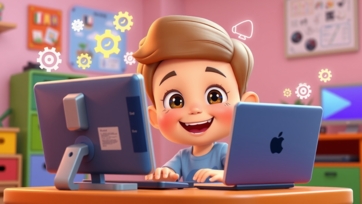
Computers are everywhere—from schools and homes to hospitals and space stations. Understanding how computers work can seem complicated, but with a simple guide, kids can learn the basics in a fun and engaging way. Learning about computers helps children develop problem-solving skills, logical thinking, and curiosity about technology. Why Kids Should Learn About Computers: Computers play an essential role in modern life. Learning how computers work helps children understand the world around them, improve digital literacy, and prepare for a future in technology. Kids who understand computers are better equipped to solve problems, code, and explore new creative ideas. The Role of Parents and Educators: Parents and teachers can make computer learning fun by using visual aids, hands-on activities, and kid-friendly explanations. Encouraging children to ask questions and explore safely builds confidence and enhances understanding of complex concepts. Basic Parts of a Computer: A computer has many components that work together to perform tasks. Understanding the main parts is the first step in learning how computers work. Central Processing Unit (CPU): The CPU is the brain of the computer. It processes instructions, performs calculations, and tells other parts of the computer what to do. Kids can think of it as the boss who manages everything inside the computer. Memory (RAM and Storage): RAM (Random Access Memory): Temporary memory that stores information while the computer is running. Storage (Hard Drive or SSD): Permanent memory where files, programs, and games are saved. Input Devices: Input devices let kids communicate with the computer. Examples include: Keyboard for typing Mouse for clicking and selecting Touchscreen for tapping and swiping Output Devices: Output devices show the results of the computer’s work. Examples include: Monitor for displaying images and videos Printer for producing physical copies Speakers for sound How Computers Process Information: Computers follow a simple cycle called Input → Process → Output: Input: The user gives commands or information through input devices. Process: The CPU processes the data using memory and instructions from programs. Output: The computer displays the result through output devices. This cycle happens millions of times per second, allowing computers to run games, apps, and websites instantly. Software vs. Hardware: Hardware: The physical parts of the computer like the CPU, monitor, and keyboard. Software: The programs and apps that tell the hardware what to do, such as games, learning apps, and web browsers. Understanding both hardware and software helps kids see how computers operate as a complete system. Simple Coding and Commands for Kids: Coding is like giving instructions to the computer. Learning simple coding helps children understand how computers work and how to control them. Platforms like Scratch and Blockly make coding fun and interactive for beginners. Fun Computer Activities for Kids: Build a Paper Computer Model: Kids can draw and label computer parts. Keyboard Games: Typing games improve familiarity with input devices. Coding Puzzles: Solve basic coding challenges using visual programming apps. Computer Exploration: Identify the parts of a real computer and explain what each part does. How Computers Affect Our Daily Lives: Computers help in education, entertainment, communication, and creativity. Kids use computers to play educational games, watch learning videos, draw digitally, and explore science projects. Understanding computers helps children use technology safely and responsibly. Internet Safety Tips for Kids: While learning about computers, it’s important to teach kids how to stay safe online: Never share personal information. Only visit trusted websites and apps. Ask parents for help if they encounter something confusing or scary. Use strong passwords with adult guidance. Benefits of Learning Computers Early: Improves problem-solving and logical thinking skills. Builds confidence in using technology. Encourages creativity through digital tools and apps. Prepares children for future learning and STEM careers. Helps children understand the digital world around them. Conclusion: Learning how computers work doesn’t have to be complicated for kids. By understanding the basic parts, processes, and coding concepts, children can explore technology confidently and safely. Parents and educators can make computer learning fun through hands-on activities, interactive apps, and real-life examples. Early exposure to computers inspires curiosity, creativity, and prepares kids for a digital future.
Why Is the Elephant So Big
Elephants are the largest land animals on Earth, and their size makes them very special. Learning about elephants helps children understand nature, animals, and how animals adapt to their environment. Let’s explore why elephants are so big and fascinating! Amazing Facts About Elephants: Elephants can weigh up to 6,000 kilograms! Their trunks are strong and flexible—they can pick up tiny objects and huge logs. Elephants have large ears to help keep them cool. They live for about 60–70 years in the wild. Why Elephants Are So Big: To Protect Themselves: Being big helps elephants scare away predators like lions and tigers. To Carry Food: Elephants eat a lot of plants—up to 150 kilograms of food daily. Their size helps them store energy. To Travel Long Distances: In the wild, elephants walk for miles to find water and food. Their large bodies store water and energy for long journeys. To Raise Their Babies Safely: Baby elephants are protected by the herd. Adults’ large size keeps them safe from danger. Fun Elephant Experiments for Kids: Elephant Trunk Activity: Use a straw and water to pretend your hand is a trunk. Try picking up small objects with it. Lesson: Elephants use their trunk for drinking, picking food, and playing. Elephant Ear Cooling Trick: Blow air on a toy elephant’s ears or your hand to feel how air helps keep them cool. Lesson: Large ears act like fans for real elephants. Interesting Elephant Habits: Elephants love mud baths—it protects their skin from the sun and insects. They are very social animals—living in groups called herds. Elephants remember places and other elephants for many years! Story Example: Baby Elephant Learning to Grow: A baby elephant asked its mother: “Why am I small now, and why will I become so big?” Mother elephant said: “We grow big to stay safe, eat well, and help our herd. Every part of us has a special purpose.” Lesson: Every animal’s size and features are important for survival and life in nature. Tips for Kids to Learn About Elephants: Watch Videos or Visit Zoos: Observe elephants in action. Draw Elephants: Learn about their trunks, ears, and body shape. Read Stories: Explore fun stories about elephants’ habits and adventures. Use Comparison: Compare your height to an elephant to understand how big they are! Conclusion: Elephants are big because it helps them survive, eat, protect their babies, and live in herds. Their size, strength, and intelligence make them one of the most fascinating animals in the world. Learning about elephants teaches children nature, adaptation, and respect for wildlife!