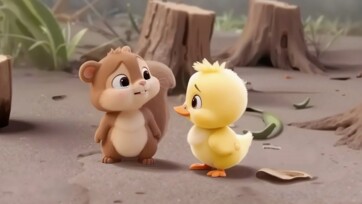
Short Stories About Animals for Kids

Short animal stories are a wonderful way to teach children important life lessons while keeping them entertained. Animals in stories act like humans, making it easier for kids to understand values such as kindness, honesty, bravery, and friendship. In this article, we will explore short stories about animals for kids that are fun, meaningful, and easy to understand.

Why Animal Stories Are Important for Children:

Animal stories help children:

  • Learn moral values in a simple way

  • Improve imagination and listening skills

  • Develop emotional understanding and empathy

  • Build interest in reading from an early age

  • Understand right and wrong through examples

Stories with animals make learning enjoyable and memorable for young minds.

Short and Fun Animal Stories for Kids:

1. The Honest Elephant:

Once there was a young elephant who always told the truth. One day, he found some lost food in the jungle. Instead of eating it, he returned it to its owner. All the animals praised him for his honesty.

Moral:

Honesty always brings respect and trust.

2. The Clever Rabbit:

A small rabbit lived near a dangerous lion. Using his intelligence, the rabbit tricked the lion into seeing his own reflection in a well. The lion ran away, and the jungle became peaceful again.

Moral:

Intelligence is more powerful than strength.

3. The Kind Little Bird:

A bird saw an injured cat and helped by bringing food every day. When the bird later got stuck in a net, the cat returned the favor by freeing her.

Moral:

Kindness is always rewarded.

More Animal Stories With Simple Lessons:

4. The Lazy Dog:

A dog saw his reflection in the water while carrying food. Thinking it was another dog, he barked and dropped his food into the river.

Moral:

Greed leads to loss.

5. The Ant and the Grasshopper:

The ant worked hard all summer, while the grasshopper played. When winter came, the ant had food, but the grasshopper did not.

Moral:

Hard work and planning are important.

How Animal Stories Help Kids Learn Better:

Animal stories help children:

  • Improve vocabulary and language skills

  • Understand emotions and relationships

  • Learn morals without lectures

  • Develop creativity and imagination

  • Enjoy reading and storytelling

Stories make lessons easier to remember and apply in daily life.

Tips for Parents and Teachers When Reading Animal Stories:

  • Read stories with expression and emotion

  • Ask kids questions about the story

  • Discuss the moral at the end

  • Encourage kids to retell the story in their own words

  • Let kids draw their favorite animal from the story

Interactive storytelling increases understanding and interest.

Benefits of Short Animal Stories for Kids:

Children who read animal stories gain:

  • Better reading and listening skills

  • Strong moral values

  • Emotional intelligence and empathy

  • Love for books and learning

  • Confidence in expressing thoughts

Short stories are perfect for bedtime, classroom reading, or quiet time.

Conclusion:

Short stories about animals for kids are fun, educational, and full of valuable lessons. Through simple storytelling, relatable characters, and clear morals, children learn important values while enjoying the magic of stories. Reading animal stories regularly helps shape good character, imagination, and a lifelong love for reading.

Advertisement
The Brave Little Ant
In a quiet and sunny garden, full of flowers, tall grass, and buzzing bees, there lived a tiny ant named Andy. Although Andy was very small, he was brave, smart, and always ready to help others. The other insects often admired his courage and clever ideas. This kids moral story teaches children that even the smallest creatures can do great things when they are brave and determined. Andy and His Ant Colony: Andy lived with his ant family in a big underground anthill. Every day, the ants worked together to collect food, protect their home, and help one another. Andy loved his family and often explored the garden to find new sources of food. He believed that courage was more important than size. His mother always said, “Andy, no matter how small you are, bravery and kindness make you strong.” Trouble in the Garden: One hot afternoon, a big storm suddenly arrived. Strong winds blew across the garden, and heavy rain threatened to flood the anthill. Many ants panicked, not knowing how to protect their home. Andy saw the danger and immediately took action. “We must move the food and secure our tunnels,” he shouted to the other ants. Despite being tiny, he worked tirelessly, carrying grains and guiding the colony to safety. The Fallen Leaf Rescue: During the storm, a young ant named Anya got trapped under a heavy fallen leaf. The other ants were too scared to move it. Andy rushed to help her. Using all his strength, he called his friends and cleverly used sticks and twigs to lift the leaf. Anya was saved! Courage Over Fear: Andy said, “Size doesn’t matter. Bravery and teamwork can overcome any problem.” The Garden After the Storm: After the rain stopped, the garden looked messy. Fallen branches, leaves, and puddles were everywhere. But thanks to Andy’s bravery, the ant colony remained safe, and all the food was saved. The other ants cheered and celebrated their little hero. Andy Teaches a Lesson: The elder ants gathered and said, “Today we learned an important lesson. Even the smallest ant can show great courage and make a big difference.” Andy smiled humbly. He reminded everyone, “Helping others and staying brave is more important than being big or strong.” Why Bravery Matters: This story teaches children: Courage can overcome fear Small size doesn’t limit capability Helping others is a true act of bravery Teamwork and determination achieve great results True Strength: True strength is not about size; it’s about heart, courage, and persistence. Moral of the Story: The Brave Little Ant shows that bravery, intelligence, and kindness can turn even the smallest creature into a hero. Why Kids Should Read This Story: This children’s moral story helps kids learn: The value of courage and bravery How small actions can create big results The importance of helping friends and family Life lessons through fun and inspiring storytelling Parents and teachers can use this as a bedtime story for kids or a classroom lesson about courage. Final Message: 🐜 Be brave, help others, and remember — even the smallest ant can achieve great things. 🐜
Fascinating Animal Facts Every Child Should Know
Animals are one of the most exciting topics for children. From tiny insects to giant elephants, the animal world is full of surprises. Learning about animals helps children understand nature, develop kindness toward living beings, and grow curiosity about the world around them. In this article, we will explore fascinating animal facts every child should know in a fun, simple, and educational way. Why Learning About Animals Is Important for Children: Animals help children learn many important life lessons. By studying animals, kids understand how different creatures live, survive, and interact with nature. Learning animal facts helps children: Build curiosity and observation skills Learn about nature and the environment Develop empathy and responsibility Improve memory and knowledge Enjoy learning through fun facts Animal knowledge also encourages children to protect wildlife and care for the planet. Amazing Facts About Mammals That Kids Love: Mammals are animals that usually have fur or hair and feed milk to their babies. Elephants Have Incredible Memories: Elephants can remember places and other elephants for many years. They are known to be very intelligent and emotional animals. Dolphins Are Very Smart: Dolphins can recognize themselves in mirrors and communicate using sounds. They are one of the smartest animals in the ocean. Bats Are the Only Flying Mammals: Bats are special because they can fly. They use echolocation to find food in the dark. Whales Are the Largest Animals on Earth: The blue whale is bigger than any dinosaur that ever lived. Its heart alone can be as big as a small car. Interesting Bird Facts That Will Surprise Children: Birds are animals with feathers and wings, and many of them can fly. Ostriches Are the Largest Birds: Ostriches cannot fly, but they can run very fast. They also lay the largest eggs in the world. Hummingbirds Can Fly Backward: Hummingbirds are tiny birds that can hover in the air and fly backward, which most birds cannot do. Owls Can Turn Their Heads Around: Owls can turn their heads almost all the way around because they have flexible necks. Penguins Are Birds That Swim: Penguins cannot fly, but they are excellent swimmers and live in very cold places. Reptile Facts That Make Kids Curious: Reptiles are cold-blooded animals with scales. Snakes Can Smell with Their Tongues: Snakes use their tongues to collect smells from the air and understand their surroundings. Turtles Carry Their Homes: A turtle’s shell protects it from danger and grows with the turtle as it gets older. Chameleons Change Color: Chameleons change color to communicate and control their body temperature, not just to hide. Cool Facts About Insects and Small Creatures: Even tiny animals can do amazing things. Ants Are Very Strong: Ants can lift objects many times heavier than their own body weight. Bees Help Make Our Food: Bees pollinate plants, which helps fruits and vegetables grow. Butterflies Taste with Their Feet: Butterflies use their feet to taste plants before laying eggs. Spiders Are Not Insects: Spiders have eight legs and belong to a different group called arachnids. Sea Animal Facts That Children Find Exciting: The ocean is home to many mysterious creatures. Octopuses Have Three Hearts: Two hearts pump blood to the gills, and one pumps it to the rest of the body. Sharks Have Been Around for Millions of Years: Sharks lived on Earth even before dinosaurs. Starfish Can Grow New Arms: If a starfish loses an arm, it can grow a new one over time. Seahorses Have a Unique Family Role: Male seahorses carry and give birth to babies. Fun Animal Behavior Facts for Kids: Dogs Can Understand Human Feelings: Dogs can sense emotions like happiness and sadness through voice and body language. Cats Sleep a Lot: Cats can sleep up to 16 hours a day to save energy. Monkeys Love to Play: Monkeys are playful animals and use games to learn and socialize. Animals With Special Survival Skills: Animals have unique abilities that help them survive. Camels Store Energy in Their Humps: Camels store fat in their humps, helping them survive in deserts. Frogs Can Breathe Through Their Skin: Frogs can absorb oxygen through their skin when underwater. Polar Bears Have Thick Fur and Fat: This helps them stay warm in freezing Arctic temperatures. How Animals Help Humans and Nature: Animals play an important role in our lives and the environment. Animals help by: Pollinating plants Keeping ecosystems balanced Providing companionship Teaching responsibility and care Understanding animals helps children respect and protect them. Simple Ways Children Can Learn More About Animals: Reading Animal Books: Picture books and fact books make learning fun. Watching Nature Programs: Documentaries help children see animals in their natural habitats. Visiting Zoos and Wildlife Parks: Seeing animals in real life makes learning memorable. Drawing and Craft Activities: Creative activities help kids remember animal facts. What Animal Facts Teach Children: By learning animal facts, children develop: Curiosity and love for nature Observation and thinking skills Respect for living beings Environmental awareness Animal education shapes kind and responsible future citizens. Conclusion: The animal world is full of wonders that amaze children and adults alike. From intelligent dolphins to tiny hardworking ants, every animal has something special to teach us. Learning fascinating animal facts every child should know makes education enjoyable, meaningful, and inspiring. By exploring animal life, children grow smarter, kinder, and more curious about the beautiful world they live in.
Teaching Children Gratitude in Everyday Life
Gratitude is the practice of appreciating the good things in life and expressing thanks. Teaching children gratitude helps them develop a positive mindset, empathy, and stronger relationships. In this article, we will explore teaching children gratitude in everyday life with simple tips, activities, and examples that make thankfulness a fun and natural habit. Why Gratitude Is Important for Kids: Gratitude is more than saying “thank you.” It helps children: Develop a positive and happy attitude Build empathy and understanding toward others Strengthen relationships with family, friends, and teachers Reduce selfishness and increase generosity Improve emotional health and resilience Grateful children are more aware of the blessings around them and learn to value both small and big things in life. Ways to Teach Gratitude in Everyday Life: 1. Model Gratitude: Children learn best by observing adults. Say thank you, show appreciation, and express gratitude in daily life. 2. Encourage Saying Thank You: Remind children to use polite words for kindness, gifts, or help received. 3. Discuss Daily Blessings: Talk about simple things like food, friends, toys, or a sunny day, and encourage children to notice and appreciate them. 4. Share Stories About Gratitude: Read or tell stories where characters show thankfulness and its positive effects. 5. Create Gratitude Rituals: Incorporate habits like saying thanks before meals, bedtime gratitude reflections, or sharing what they are thankful for each day. Fun Activities to Teach Gratitude: 1. Gratitude Jar: Children write notes about things they are thankful for and place them in a jar. Review the notes weekly as a family. What Kids Learn: Recognizing and appreciating daily blessings. 2. Thank You Cards: Encourage children to make cards for family, friends, or teachers. What Kids Learn: Expressing gratitude creatively and personally. 3. Daily Reflection Time: Take a few minutes each day to ask, “What made you happy today?” What Kids Learn: Mindfulness and noticing positive moments. 4. Acts of Kindness: Encourage children to do something nice for others, like helping a sibling or neighbor. What Kids Learn: Gratitude grows when paired with giving and sharing. How Parents and Teachers Can Encourage Gratitude: Praise Gratitude: Acknowledge when children express thanks or show appreciation. Involve Them in Helping Others: Volunteering or simple acts of kindness teach empathy and thankfulness. Talk About Feelings: Help children understand how gratitude affects their own happiness and the happiness of others. Use Stories and Role Models: Share examples of grateful people or characters. Make Gratitude a Habit: Encourage daily expressions of thanks in routine situations. Consistent practice helps children adopt gratitude naturally as part of their personality. Benefits of Learning Gratitude for Children: Children who practice gratitude develop: A positive mindset and happier outlook Stronger social and family relationships Empathy and understanding toward others Emotional resilience and patience A sense of generosity and kindness Gratitude shapes children into thoughtful, caring, and emotionally balanced individuals. Conclusion: Teaching children gratitude in everyday life is a simple yet powerful way to nurture happiness, empathy, and strong relationships. Through stories, activities, daily habits, and role modeling, children can learn how to appreciate the world around them and express thanks. Gratitude helps kids grow into kind, thoughtful, and emotionally intelligent individuals, ready to lead a positive and meaningful life.
Simple Exercises for Kids at Home
Regular exercise helps children stay healthy, active, and happy. Kids do not need gyms or special equipment to stay fit—simple exercises at home are enough to keep their bodies strong and energetic. In this article, we will learn about simple exercises for kids at home that are easy, fun, and safe to do every day. Why Exercise Is Important for Kids: Exercise helps children: Build strong muscles and bones Improve balance, flexibility, and coordination Maintain a healthy weight Boost mood and reduce stress Improve focus and learning ability Daily physical activity supports both physical and mental growth in children. Warm-Up Exercises for Kids: 1. Stretching Arms and Legs: Gently stretch arms, legs, and neck before starting. Stretching prepares the body and prevents injuries. 2. Jumping in Place: Jump slowly for 1–2 minutes. This helps warm up muscles and increase heart rate. Simple Exercises Kids Can Do at Home: 1. Jumping Jacks: Jump while spreading arms and legs, then return to the starting position. Benefits: Improves stamina and full-body movement. 2. Spot Running: Run in one place for 1–2 minutes. Benefits: Strengthens legs and improves heart health. 3. Squats: Bend knees slowly and stand back up. Benefits: Strengthens legs and improves balance. 4. Toe Touching: Bend forward and try to touch toes. Benefits: Improves flexibility and posture. 5. Wall Push-Ups: Push against a wall instead of the floor. Benefits: Strengthens arms and shoulders safely. Fun Exercises That Feel Like Games: 1. Animal Walks: Walk like a frog, bear, or crab. Kids enjoy pretending while exercising. 2. Dancing: Dance to favorite music for 10–15 minutes. Dancing keeps kids active and happy. 3. Balloon Keep-Up: Keep a balloon in the air using hands or feet. Improves coordination and focus. 4. Obstacle Course: Use pillows, chairs, or ropes to create a simple course. Encourages movement and problem-solving. How Parents Can Encourage Exercise at Home: Exercise Together: Kids love copying parents. Make a Routine: Fix a daily exercise time. Keep It Fun: Turn exercises into games or challenges. Limit Screen Time: Encourage movement instead of long screen use. Praise Effort: Appreciate participation, not perfection. Support and encouragement help children enjoy physical activity. How Much Exercise Do Kids Need Daily: At least 60 minutes of physical activity every day Mix of stretching, strength, and movement exercises Short breaks of activity throughout the day also help Regular movement keeps children energetic and healthy. Benefits of Exercising at Home for Kids: Children who exercise regularly develop: Strong and flexible bodies Better immunity and digestion Improved mood and confidence Healthy sleep patterns Positive lifelong fitness habits Exercise also helps reduce stress and improve emotional well-being. Conclusion: Simple exercises for kids at home are an easy and effective way to keep children healthy and active. With stretching, jumping, dancing, and fun games, kids can enjoy daily exercise without pressure. Encouraging regular physical activity helps children grow strong, confident, and full of energy, setting the foundation for a healthy future.
Fun Science Facts Every Kid Should Know
Science is all around us! From the tiniest bugs to the vast universe, there are countless amazing facts that make the world fun and exciting. Learning science doesn’t have to be boring — it can be magical and full of surprises. This kids science story shares fun and interesting science facts that every child should know, sparking curiosity and love for learning. Amazing Animal Facts Octopuses have three hearts and blue blood! A group of flamingos is called a “flamboyance.” Butterflies taste with their feet to find food. Sharks existed before trees on Earth. Animals are full of surprises, and each one has unique features that make them special. Interesting Space Facts The Sun is a star and is so big that one million Earths could fit inside it! Venus spins backward compared to other planets. Saturn’s rings are made of ice, rocks, and dust. A day on Jupiter lasts only 10 hours! Space is full of wonders, and learning about planets and stars is like exploring a magical universe. Cool Earth Facts Water covers 71% of Earth’s surface. Ants can lift 50 times their body weight. Lightning is hotter than the Sun’s surface. Rainbows are formed when sunlight passes through raindrops. Our planet is amazing, with incredible animals, weather, and natural phenomena to discover. Fun Physics and Chemistry Facts Bananas are naturally radioactive because they contain potassium. A single teaspoon of honey represents the work of 12 bees in their lifetime. Sound travels faster in water than in air. Magnets can pass through some metals without touching them. Science is everywhere, even in the small things we see every day. Simple Experiments to Try at Home Kids can explore science hands-on with these simple experiments: Make a volcano with baking soda and vinegar. Grow a bean sprout in a jar to watch it grow. Float a paper boat in water and observe currents. Use a magnifying glass to look at tiny details in leaves, insects, or rocks. These activities make science fun, interactive, and easy to understand. Why Science Is Fun Science helps children: Understand how the world works Encourage curiosity and exploration Learn through observation and experiments Discover exciting facts about animals, space, Earth, and more The more kids explore science, the more they realize that learning can be fun and magical. Moral of the Story Science is everywhere, and fun facts make learning exciting. Curiosity, observation, and experimentation help children discover the wonders of the world. Why Kids Should Read This Story This fun science story for kids helps children: Learn amazing facts about animals, space, Earth, and physics Develop curiosity and critical thinking Explore hands-on experiments Enjoy science as a fun and exciting adventure Parents and teachers can use this story as a bedtime tale or classroom lesson to encourage scientific curiosity. Final Message 🔬 Science is full of surprises! Explore, ask questions, and have fun discovering the amazing facts about our world. 🔬
Learning Colors Through Fun Activities
Learning colors is one of the first and most exciting steps in early childhood education. Colors help children recognize objects, express creativity, and understand the world around them. When colors are taught through play and fun activities, children learn faster and remember better. In this article, we will explore learning colors through fun activities in an easy, enjoyable, and child-friendly way. Why Learning Colors Is Important for Kids: Learning colors helps children: Improve observation and visual skills Identify and name objects easily Develop language and communication skills Boost creativity and imagination Build a strong foundation for early learning Colors make learning lively and help children connect ideas with real-life experiences. Fun Activities to Teach Colors to Kids: 1. Color Sorting Games: Give children different colored toys or objects and ask them to sort by color. This activity improves color recognition and sorting skills. 2. Coloring and Painting Activities: Let kids color pictures using crayons, markers, or paints. Encourage them to name each color while coloring. Art activities help children learn colors naturally while having fun. 3. Color Hunt Game: Ask kids to find objects of a specific color around the house or classroom. This game makes learning interactive and exciting. 4. Learning Colors With Fruits and Vegetables: Show colorful fruits like apples, bananas, grapes, and oranges. Ask kids to name their colors before eating them. This connects learning with healthy habits. Creative Ways to Practice Colors Daily: 1. Color Songs and Rhymes: Sing simple songs about colors to make learning memorable. Music helps children remember colors easily. 2. Building With Colorful Blocks: Use blocks to build towers while naming each color used. This improves both creativity and color identification. 3. Storytelling With Colors: Create short stories where colors are characters, like a red apple or a blue sky. Stories make abstract concepts fun and meaningful. 4. Color Matching Cards: Match colored cards with objects of the same color. This strengthens memory and recognition skills. Role of Parents and Teachers in Teaching Colors: Parents and teachers can help by: Talking about colors during daily routines Encouraging kids to name colors they see Making learning playful instead of stressful Praising efforts and small achievements Using everyday objects to teach colors Positive reinforcement helps children learn with confidence. Benefits of Learning Colors Through Fun Activities: Children who learn colors through activities develop: Better focus and observation skills Stronger memory and thinking ability Improved language development Creativity and imagination Love for learning from an early age Fun-based learning builds confidence and curiosity. Conclusion: Learning colors through fun activities makes early education enjoyable and effective. By using games, art, music, stories, and daily interactions, children can learn colors easily while having fun. Encouraging playful learning helps kids build a strong foundation for future education and develops a joyful attitude toward learning.
Outdoor Learning Activities for Kids
Outdoor learning is a wonderful way for children to explore the world, develop skills, and stay active. Fun outdoor learning activities for kids combine play, discovery, and education. By using nature and outdoor spaces as a classroom, children can learn science, math, creativity, and social skills while having an enjoyable experience. Why Outdoor Learning is Important for Kids: Outdoor learning improves physical health, mental well-being, and social development. Children who spend time outside develop better coordination, problem-solving abilities, and creativity. Nature-based learning also encourages curiosity, observation, and a sense of responsibility toward the environment. The Role of Parents and Educators: Parents and educators guide outdoor learning by providing safe spaces, organizing activities, and encouraging exploration. By participating, observing, and asking questions, adults help children connect real-world experiences with learning concepts. Basic Outdoor Learning Concepts: Before starting outdoor activities, children should understand some basic concepts: Observation Skills: Encourage kids to notice colors, shapes, sounds, and movement in nature. Teach them to compare, classify, and describe what they see. Measurement and Counting: Use natural objects to practice counting, measuring lengths, or comparing sizes. Introduce simple math concepts like addition, subtraction, or sorting. Problem-Solving: Pose challenges that require thinking, teamwork, or experimentation. Outdoor learning develops creativity and critical thinking skills. Fun Outdoor Learning Activities for Kids: Outdoor activities can be educational, active, and engaging. Nature Scavenger Hunt: Prepare a list of items for children to find, such as leaves, rocks, flowers, or insects. Encourage classification by size, color, or type. Teaches observation, categorization, and attention to detail. Outdoor Art and Crafts: Collect natural materials to create collages, leaf rubbings, or rock painting. Encourages creativity, fine motor skills, and appreciation of nature. Math and Counting Games: Count flowers, sticks, or pebbles during outdoor walks. Create simple addition or subtraction games using natural objects. Introduces practical math concepts in a fun, hands-on way. Science Exploration Outdoors: Outdoor learning is perfect for teaching science concepts through hands-on activities. Plant and Tree Observation: Examine leaves, flowers, and trees to learn about growth, structure, and types of plants. Keep a nature journal to record findings. Weather Experiments: Measure temperature, rainfall, or wind direction. Discuss seasonal changes and effects on plants and animals. Insect and Animal Observation: Observe insects, birds, or small animals to understand habitats and behavior. Encourage kids to ask questions and make hypotheses. Physical Activity and Outdoor Learning: Combining learning with movement keeps children active and healthy. Obstacle Courses: Incorporate math problems or vocabulary challenges at stations. Treasure Hunts: Hide objects with educational clues to solve along the way. Nature Walk Challenges: Assign counting, observation, or creative tasks while exploring parks or gardens. Teamwork and Social Skills Outdoors: Outdoor activities promote social development, cooperation, and communication. Group scavenger hunts encourage teamwork and strategy. Collaborative crafts and games teach sharing and listening. Children develop leadership, patience, and problem-solving skills while playing together. Tips to Make Outdoor Learning Fun and Safe: Choose safe, child-friendly outdoor spaces. Provide appropriate clothing, hats, and sunscreen for protection. Keep activities age-appropriate and engaging. Encourage questions, creativity, and exploration. Balance structured learning with free play for maximum enjoyment. Benefits of Outdoor Learning Activities for Kids: Enhances physical health, coordination, and energy levels. Develops observation, critical thinking, and problem-solving skills. Encourages creativity, imagination, and artistic expression. Builds social skills, teamwork, and communication. Promotes environmental awareness and love for nature. Conclusion: Fun outdoor learning activities for kids combine education, creativity, and physical activity. Nature-based experiences like scavenger hunts, art projects, science experiments, and obstacle courses help children develop cognitive, social, and motor skills. Parents and educators can make learning exciting by guiding exploration, encouraging curiosity, and providing safe and stimulating outdoor environments. With regular outdoor learning, children gain confidence, creativity, and a lifelong appreciation for the natural world.
How Does Water Change Shape? Simple Science for Kids
Have you ever poured water into a glass, a bowl, or a bottle and noticed it takes the shape of whatever container it’s in? Water is amazing because it can change its shape! This kids science story explains in a simple and fun way how water moves, flows, and changes shape, helping children understand the magic of liquids. Water Is a Liquid: Water is called a liquid, which means it can flow and take the shape of its container. Unlike solids, like ice or a rock, liquids don’t have a fixed shape. Pour water into a glass → it takes the shape of the glass Pour water into a bottle → it takes the shape of the bottle Pour water into a bowl → it spreads out and fills the bowl Water always adapts to its surroundings! The Three States of Water: Water can exist in three states: Solid (Ice): Water freezes and becomes hard. It has a fixed shape. Liquid (Water): Water flows and changes shape depending on its container. Gas (Steam or Water Vapor): Water evaporates and spreads in the air. These changes happen naturally, showing the flexibility and importance of water. Why Water Flows: Water molecules are tiny particles that move freely in liquid form. This allows water to flow easily and fill different shapes. When you tilt a cup, water moves to one side. When you pour it into a funnel, it flows through and comes out the other side. This is why water is used for drinking, cooking, cleaning, and watering plants. Fun Experiments to See Water Change Shape: Kids can try these simple experiments: Pour water into different containers like cups, bowls, and bottles to watch it change shape. Freeze water in an ice tray and see it become solid. Heat water carefully (with an adult) and see it turn into steam. These experiments show the amazing properties of water in a hands-on way. Why Understanding Water Is Important: Water is everywhere — in rivers, lakes, oceans, and even inside our bodies. Learning how water changes shape teaches children: How liquids behave differently from solids and gases The importance of water in daily life Observation and curiosity about natural science Water is essential for life, and understanding it helps us appreciate and take care of it. Moral of the Story: Water can change shape to fit its container, showing how flexible and important it is. Science helps us understand how nature works in magical ways. Why Kids Should Read This Story: This simple science story for kids helps children: Learn about the properties of water Understand liquids, solids, and gases Encourage curiosity and experiments Explore science in a fun and engaging way Parents and teachers can use this story as a classroom lesson or bedtime science tale. Final Message: 💧 Water is magical — it flows, it changes shape, and it helps life on Earth! Explore, experiment, and discover its wonders. 💧