Friendship is one of the most important relationships in a child’s life. Learning how to make friends, share, and cooperate helps children develop social skills, empathy, and emotional intelligence. In this article, we will explore friendship lessons for young kids with fun examples, activities, and practical tips that teach the value of being a good friend.
Why Friendship Is Important for Young Kids:
Friendship helps children:
-
Build social skills and communication abilities
-
Learn empathy and understanding
-
Develop teamwork and cooperation
-
Gain emotional support and confidence
-
Enjoy fun, play, and shared experiences
Early lessons in friendship set the foundation for strong, meaningful relationships throughout life.
Key Friendship Lessons for Kids:
1. Sharing and Taking Turns:
-
Learning to share toys and take turns is essential for building trust and cooperation.
2. Being Kind and Respectful:
-
Using polite words, listening, and showing care strengthens bonds with friends.
3. Helping Others:
-
Simple acts like helping a friend tie shoelaces or clean up teach generosity and support.
4. Understanding Feelings:
-
Recognizing and respecting friends’ emotions develops empathy and patience.
5. Saying Sorry and Forgiving:
-
Teaching children to apologize when they make mistakes and forgive others fosters healthy friendships.
Fun Activities to Teach Friendship Lessons:
1. Role-Playing Friend Scenarios:
-
Act out situations like sharing toys, comforting a sad friend, or taking turns in games.
What Kids Learn: How to behave kindly and solve friendship challenges.
2. Friendship Art and Crafts:
-
Children make friendship bracelets, cards, or drawings for friends.
What Kids Learn: Appreciation, creativity, and expressing care.
3. Storytime About Friends:
-
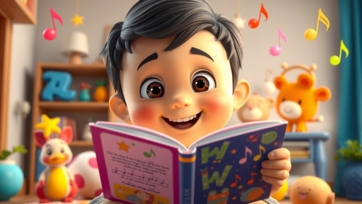
Read stories where characters demonstrate teamwork, kindness, and loyalty.
Example: “Frog and Toad” series teaches helping and understanding friends.
What Kids Learn: Real-life examples of being a good friend.
4. Cooperative Games:
-
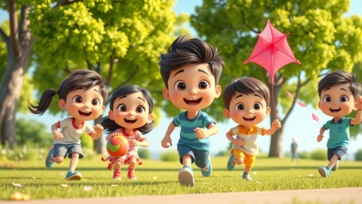
Play games that require teamwork, such as building blocks together or group puzzles.
What Kids Learn: Cooperation, patience, and mutual support.
How Parents and Teachers Can Encourage Friendship:
-
Model Positive Friendships: Children observe how adults treat their friends.
-
Provide Opportunities to Socialize: Arrange playdates or group activities.
-
Discuss Friendship Values: Talk about trust, sharing, and kindness in simple words.
-
Praise Positive Behavior: Recognize acts of helping, sharing, or supporting friends.
-
Guide Through Conflicts: Help children resolve misunderstandings calmly and fairly.
Benefits of Learning Friendship Lessons for Kids:
Children who learn friendship lessons develop:
-
Strong social and communication skills
-
Emotional intelligence and empathy
-
Confidence and self-esteem
-
Problem-solving and conflict resolution abilities
-
Lifelong positive relationships
Friendship lessons lay the foundation for happy and well-rounded children.
Conclusion:
Friendship is a key part of a child’s growth and happiness. Teaching young kids friendship lessons through stories, activities, and everyday interactions helps them understand sharing, kindness, cooperation, and empathy. By guiding children to build strong and caring friendships, parents and teachers nurture confident, socially skilled, and compassionate individuals.