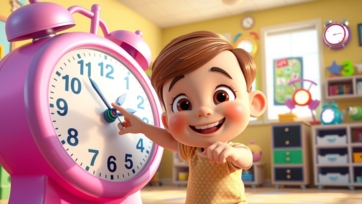
Patience is an important life skill that helps children wait calmly, handle challenges, and make thoughtful decisions. Learning patience at a young age can improve self-control, reduce frustration, and build stronger relationships. One of the most enjoyable ways to teach kids patience is through stories. In this article, we will explore learning patience through fun stories for children and show how storytelling can make this valuable lesson memorable.
Why Patience Is Important for Kids:
Patience is more than just waiting—it’s about staying calm and positive while waiting for something or working toward a goal. Teaching patience helps children:
-
Manage emotions and reduce tantrums
-
Make thoughtful decisions instead of rushing
-
Develop perseverance and determination
-
Build stronger friendships and cooperation
-
Learn to enjoy the process, not just the result
Learning patience early sets the foundation for emotional intelligence and resilience.
How Stories Teach Patience:
Stories are powerful tools for teaching patience because they:
-
Show consequences of impatience and rewards of patience
-
Demonstrate characters facing challenges calmly
-
Encourage reflection and discussion about feelings and actions
-
Make abstract ideas understandable and relatable
Through engaging tales, children can see patience in action and learn to apply it in their own lives.
Examples of Fun Stories About Patience for Kids:
1. The Tortoise and the Hare:
A classic fable where a slow and steady tortoise wins a race against a fast, impatient hare.
Lesson Learned: Patience and persistence lead to success.
2. Little Seed’s Journey:
A tiny seed learns to wait patiently through seasons before growing into a tall, strong tree.
Lesson Learned: Good things take time and patience is rewarded.
3. Mia’s Waiting Game:
A story about a girl who wants a new toy but learns to wait and enjoy small moments, discovering that patience makes the reward even sweeter.
Lesson Learned: Waiting calmly can bring greater satisfaction.
4. The Artist’s Painting:
A young boy learns that creating a beautiful painting requires patience, practice, and attention to detail.
Lesson Learned: Patience improves skill and helps achieve goals.
Activities to Reinforce Patience Lessons:
1. Patience Jar Activity:
-
Create a jar where children place coins or stickers each time they wait calmly.
What Kids Learn: Rewarding patience strengthens self-control.
2. Plant Growing Project:
-
Grow a plant from seed and watch it grow over weeks.
What Kids Learn: Waiting patiently brings real rewards.
3. Story Discussion:
-
After reading a story about patience, ask children questions about how characters waited and how it felt.
What Kids Learn: Reflection helps internalize patience as a value.
4. Puzzle or Board Games:
-
Encourage children to complete puzzles or play turn-based games.
What Kids Learn: Patience in waiting for their turn or finishing tasks.
How Parents and Teachers Can Teach Patience:
-
Model Patience: Children imitate adults, so demonstrate calmness in waiting.
-
Set Small Challenges: Encourage kids to wait for short periods and gradually increase time.
-
Praise Effort: Acknowledge when children show patience, even in small ways.
-
Use Stories and Examples: Relate daily situations to lessons learned from stories.
-
Encourage Mindfulness: Teach kids to focus on breathing or enjoy the moment while waiting.
Consistent practice and guidance make patience a natural habit for children.
Benefits of Learning Patience for Children:
Children who practice patience develop:
-
Better emotional control and reduced frustration
-
Perseverance and persistence in completing tasks
-
Improved problem-solving and decision-making skills
-
Stronger relationships through empathy and cooperation
-
Greater satisfaction and happiness in achieving goals
Patience equips children with essential life skills for school, friendships, and personal growth.
Conclusion:
Learning patience is a valuable lesson that can be both fun and meaningful for children. Through engaging stories, activities, and real-life examples, kids can understand the importance of waiting calmly, practicing self-control, and enjoying the process. Teaching patience through stories helps children develop resilience, empathy, and thoughtful behavior, preparing them for a successful and balanced life.