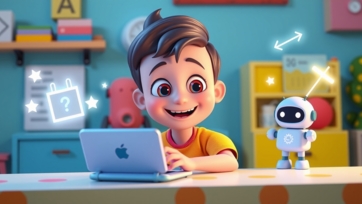
Playing math games is a fun and effective way to boost brain power in children. Games make learning exciting, improve memory, strengthen problem-solving skills, and help kids enjoy math. With interactive activities and creative challenges, kids can develop logic, speed, and confidence in numbers!
Why Math Games Are Important:
Math games help children:
-
Think logically: Solve puzzles and challenges.
-
Improve memory: Remember numbers, patterns, and rules.
-
Enhance problem-solving: Find solutions quickly and efficiently.
-
Build confidence: Make math enjoyable and rewarding.
Tip: Games make math feel like play, not work!
Fun Math Games for Kids:
Number Puzzle Race:
-
Give children a puzzle with numbers in order (1–50 or 1–100).
-
Mix the pieces and ask them to arrange numbers correctly.
-
Brain Power Boost: Improves sequencing and memory.
Addition & Subtraction Bingo:
-
Create a bingo card with answers to simple addition or subtraction problems.
-
Call out math problems; children mark correct answers.
-
Brain Power Boost: Enhances quick calculation and attention.
Math Hopscotch:
-
Draw numbers on the ground in hopscotch style.
-
Call out math problems and ask kids to hop to the right answer.
-
Brain Power Boost: Combines physical activity with number recognition.
Creative Math Games at Home:
Number Hunt:
-
Hide numbered cards around the house.
-
Ask children to find them in order or solve small math challenges on each card.
-
Brain Power Boost: Improves observation, memory, and sequencing.
Memory Match Numbers:
-
Use cards with numbers or simple equations.
-
Flip cards and find matching pairs.
-
Brain Power Boost: Strengthens memory and number recognition.
Dice Games:
-
Roll dice and perform addition, subtraction, or multiplication with the numbers shown.
-
Create fun challenges like “Roll two dice, add the numbers, and collect points!”
-
Brain Power Boost: Encourages fast thinking and mental math.
Tips to Make Math Games More Effective:
-
Short and Frequent: 10–15 minutes of play daily is enough.
-
Use Real Objects: Toys, blocks, or candies make games more interactive.
-
Reward Effort: Praise and small rewards motivate children to keep learning.
-
Combine Physical Activity: Games with movement improve focus and retention.
Story Example: Brainy Math Adventure:
A group of friends found a treasure map with math challenges:
-
Solve addition problems to cross the river.
-
Solve subtraction puzzles to open the treasure box.
-
By completing math games, they trained their brains and found the treasure!
Lesson: Math games make learning fun, challenging, and rewarding.
Conclusion:
Math games are a powerful tool to improve brain power, problem-solving, and memory in children. With puzzles, bingo, hopscotch, and creative challenges, kids can learn numbers, addition, subtraction, and multiplication while having fun. Playing math games daily builds confidence, sharp thinking, and a love for learning!