The Brave Little Rabbit Story

Once upon a time, in a lush green meadow, there lived a little rabbit named Ruby. She was small, fluffy, and very curious, but most of all, Ruby was brave. Unlike other rabbits who were afraid of danger, Ruby loved to explore and help her friends in the meadow.


Ruby’s Daily Adventures:

Every day, Ruby would hop around the meadow, discovering:

  • Beautiful flowers and tasty plants.

  • Hidden paths near the forest.

  • Friends in need, like birds, squirrels, and tiny insects.

Ruby believed that being small didn’t mean she couldn’t be courageous and kind.


The Danger in the Meadow:

One sunny morning, a hungry fox entered the meadow. All the animals were frightened and ran to hide. Ruby noticed a group of baby birds stranded on a branch near the fox. She had to think fast.


The Brave Plan:

Ruby remembered a small tunnel under a bush that led safely to the bird’s nest. She hopped as fast as she could, making sure the fox didn’t see her. Ruby guided the baby birds through the tunnel to safety.

  • The baby birds chirped happily and thanked Ruby for her bravery.

Lesson: Even the smallest animals can show courage and save others.


Helping Friends is Important:

Later, Ruby saw a squirrel struggling to carry nuts up a tree. She helped by nudging the nuts toward the tree, making it easier for the squirrel to store them for winter.

  • The squirrel said, “Thank you, Ruby! You are the bravest rabbit I know!”

Lesson: Being brave isn’t just about facing danger; it’s also about helping and supporting friends.


Fun Activities with the Story:

1. Role Play:

  • Children can act as Ruby, the baby birds, squirrels, and the fox.

  • This teaches problem-solving, bravery, and teamwork.

2. Drawing Activity:

  • Draw Ruby saving the baby birds or helping friends.

  • Use bright colors to make it fun and imaginative.

3. Story Discussion:

  • Ask children: How did Ruby help her friends?

  • What would you do if you were in Ruby’s place?

  • How can small actions make a big difference?

4. Rabbit Hop Game:

  • Children can hop like rabbits through an obstacle course.

  • This helps develop coordination, balance, and fun learning.


Interesting Comparisons for Kids:

  • Ruby’s courage is like children standing up for their friends.

  • Helping friends in need teaches the importance of kindness and empathy.

  • Even small animals or kids can make a big difference in their community.


Conclusion:

The story of The Brave Little Rabbit teaches children about courage, kindness, and helping others. Ruby shows that no matter how small you are, you can be brave and make a difference. By acting out the story, drawing, and playing related games, children can learn valuable life lessons in an engaging and fun way.


Advertisement
Birds and Their Sounds: A Kids’ Guide
Birds are fascinating creatures that come in many shapes, sizes, and colors. One of the most interesting things about birds is the variety of sounds they make. Teaching children about birds and their sounds helps them explore nature, develop listening skills, and learn about animal behavior. In this article, we will explore birds and their sounds: a kids’ guide with fun facts, examples, and activities. Why Learning About Birds and Their Sounds Is Important for Kids: Understanding birds and their sounds helps children: Connect with nature and wildlife Improve observation and listening skills Learn about animal communication and behavior Encourage curiosity and scientific thinking Develop appreciation for biodiversity Birds provide an exciting way to introduce children to the natural world. How Birds Communicate Through Sounds: Birds use sounds to: Attract a mate: Singing helps them find a partner. Mark territory: Calls warn other birds to stay away. Warn of danger: Alarm calls alert others to predators. Find family members: Young birds communicate with parents through calls. Learning these sounds teaches children about animal behavior and communication. Examples of Birds and Their Sounds: 1. Crows: Make “caw caw” sounds Often seen as intelligent and curious birds 2. Parrots: Can mimic human speech and other sounds Colorful and playful 3. Owls: Make “hoot hoot” sounds Usually active at night and known for their wisdom in stories 4. Sparrows: Chirp happily, making “cheep cheep” sounds Common and friendly birds 5. Peacocks: Make loud calls, especially during mating season Known for their beautiful tail feathers Fun Facts About Birds for Kids: Some birds can imitate sounds from their surroundings. Birds have different songs depending on their species and location. The fastest bird is the peregrine falcon. Birds use calls to stay connected with family or alert others of danger. Some birds migrate thousands of miles every year. Activities to Teach Kids About Birds and Their Sounds: 1. Bird Watching: Take children outside to observe birds and listen to their sounds. What Kids Learn: Observation, patience, and identification skills. 2. Sound Matching Game: Play recordings of bird sounds and ask kids to match them with pictures of birds. What Kids Learn: Listening skills and memory. 3. Drawing and Coloring Birds: Encourage children to draw birds they see or imagine, labeling their sounds. What Kids Learn: Creativity and recognition of different bird species. 4. DIY Bird Feeder: Make a simple bird feeder and observe which birds visit. What Kids Learn: Responsibility, care for wildlife, and observation. How Parents and Teachers Can Encourage Bird Learning: Provide books or videos about birds and their habitats Encourage nature walks and outdoor observation Ask questions about bird sounds and colors Involve children in safe wildlife activities, like feeding or photographing birds Make learning fun with games, songs, and storytelling about birds Benefits of Learning About Birds and Their Sounds for Kids: Children who learn about birds develop: Stronger observation and listening skills Curiosity and love for nature Understanding of animal behavior and habitats Emotional connection to wildlife Knowledge of biodiversity and environmental awareness Exploring birds and their sounds provides both education and entertainment for young minds. Conclusion: Learning about birds and their sounds is a fun and educational activity for children. By observing, listening, and engaging with nature, kids can explore how birds communicate, their unique features, and their habitats. Teaching children about birds encourages curiosity, empathy, and a lifelong appreciation for wildlife and the natural world.
Helping Others Makes You Happy
In a cheerful village named Rainbow Valley, there lived a kind-hearted boy named Samir. Samir loved to play, read stories, and explore the village, but what made him special was his willingness to help everyone around him. He always believed that helping others brings joy, not just to them, but also to the person who helps. This kids moral story teaches children the value of kindness, generosity, and the happiness that comes from helping others. Samir and His Daily Acts of Kindness: Every morning, Samir would greet his neighbors with a smile. He helped his elderly neighbor carry water, assisted his younger sister with homework, and shared his snacks with friends. Samir’s mother often said, “Samir, a heart that helps others is always full of happiness.” Samir truly believed in her words and lived by them every day. A Surprise for the Village: One day, the village school organized a small festival. Children were asked to bring food, toys, and clothes to share with families who needed them. Samir gathered his toys, storybooks, and snacks and happily took them to school. When he reached the festival, he saw many children sharing their belongings. Some were shy, but Samir encouraged them, saying, “Sharing and helping makes everyone happy, including us!” Helping the Lost Puppy: While walking home from school, Samir heard a small whimper. Behind a bush, he found a little puppy trapped in some ropes. The puppy struggled and looked scared. Samir quickly untangled the ropes and patted the puppy gently. The puppy wagged its tail and followed Samir home. Samir fed him and found his owner in the village. The owner thanked Samir with tears in her eyes. Joy of Helping: Samir felt a warm happiness in his heart. Helping the puppy made him feel proud, and he realized how wonderful it is to care for others. Helping Friends and Family: At home, Samir continued his small acts of kindness. He helped his sister paint a picture, cleaned his neighbor’s garden, and gave food to stray animals. Each time, he felt happier and more confident. The villagers noticed Samir’s good heart. They started following his example, creating a community filled with care, sharing, and happiness. Why Helping Others Makes You Happy: This story teaches children that: Kindness spreads joy to both giver and receiver Helping others strengthens friendships Small acts of care can make a big difference Being thoughtful creates a happy community True Happiness Explained: Happiness grows when you make someone else smile. The more you help, the brighter your heart shines. Moral of the Story: Helping others makes you happy. Acts of kindness, sharing, and care bring joy that lasts longer than selfish pleasures. Why Kids Should Read This Story: This children’s moral story helps kids: Learn the value of helping and sharing Understand the joy of doing good deeds Build empathy and care for others Develop positive habits and strong moral character Parents and teachers can use this story as a bedtime tale or classroom lesson to teach kindness and generosity. Final Message: 💖 Be kind, help others, and remember — every small act of goodness brings happiness to the world and your heart. 💖
Healthy Eating Habits for Kids
Teaching kids healthy eating habits is essential for their growth, energy, and overall well-being. Good nutrition helps children develop strong bones, a healthy immune system, and the ability to focus in school. Introducing healthy foods and making mealtime fun encourages lifelong positive habits. Why Healthy Eating is Important for Kids: Healthy eating provides essential nutrients, vitamins, and minerals for physical and mental development. Kids who eat a balanced diet have more energy, better concentration, and stronger immunity. Early exposure to fruits, vegetables, whole grains, and proteins builds a foundation for healthy eating patterns that last a lifetime. The Role of Parents and Caregivers: Parents are role models when it comes to food choices. Children imitate adult behaviors, so eating nutritious meals and involving kids in meal preparation encourages healthy habits. Caregivers can make mealtime enjoyable and educational by discussing the benefits of different foods. Essential Nutrients for Growing Kids: Children need a variety of nutrients to grow properly and stay healthy. Proteins: Proteins help build muscles, repair tissues, and support growth. Good sources include eggs, beans, fish, chicken, and dairy products. Fruits and Vegetables: Fruits and vegetables provide vitamins, minerals, and fiber. Encourage colorful plates with a mix of leafy greens, berries, carrots, and other seasonal produce. Whole Grains: Whole grains like oats, brown rice, and whole wheat bread provide energy and aid digestion. They keep children full and focused during the day. Dairy Products: Milk, cheese, and yogurt are rich in calcium and vitamin D, which are vital for strong bones and teeth. Tips for Encouraging Healthy Eating: Creating positive food habits in children requires creativity and patience. Make Meals Fun: Use colorful plates, cut fruits into shapes, and create fun food art. Visual appeal encourages children to try new foods. Involve Kids in Cooking: Children are more likely to eat healthy meals if they help prepare them. Simple tasks like washing vegetables or stirring ingredients make cooking exciting and educational. Set a Routine: Regular meal and snack times help children develop consistent eating habits. Avoid skipping meals or relying on junk food. Limit Sugary and Processed Foods: Reduce candy, chips, and soda. Offer healthier alternatives like fruit smoothies, nuts, or yogurt with honey. Healthy Snacks for Kids: Fresh fruits like apples, bananas, or berries Vegetable sticks with hummus Whole-grain crackers or granola bars Yogurt with nuts or seeds Teaching Kids About Portion Sizes: Children should learn to recognize appropriate portion sizes. Using smaller plates, explaining serving sizes, and encouraging mindful eating helps kids avoid overeating while appreciating different foods. Role of Hydration: Drinking enough water is just as important as eating healthy foods. Water supports digestion, maintains energy, and prevents dehydration. Limit sugary drinks and promote water, milk, or natural fruit juices. Making Healthy Choices at School: Kids spend a lot of time at school, so teaching them to make healthy choices outside home is essential. Encourage: Packing balanced lunches and snacks Choosing water over soda or juice boxes Eating fruits and vegetables first Sharing healthy food ideas with friends Benefits of Healthy Eating for Kids: Strong bones, teeth, and muscles Improved concentration and energy Healthy weight management Reduced risk of illnesses Positive lifelong eating habits Conclusion: Healthy eating habits for kids are crucial for growth, learning, and overall wellness. By offering balanced meals, involving children in cooking, and making food fun and educational, parents and caregivers can encourage children to develop positive eating habits. With consistent guidance, children learn to make healthy choices that benefit their body, mind, and future.
How Computers Work: Simple Guide for Kids
Computers are everywhere—from schools and homes to hospitals and space stations. Understanding how computers work can seem complicated, but with a simple guide, kids can learn the basics in a fun and engaging way. Learning about computers helps children develop problem-solving skills, logical thinking, and curiosity about technology. Why Kids Should Learn About Computers: Computers play an essential role in modern life. Learning how computers work helps children understand the world around them, improve digital literacy, and prepare for a future in technology. Kids who understand computers are better equipped to solve problems, code, and explore new creative ideas. The Role of Parents and Educators: Parents and teachers can make computer learning fun by using visual aids, hands-on activities, and kid-friendly explanations. Encouraging children to ask questions and explore safely builds confidence and enhances understanding of complex concepts. Basic Parts of a Computer: A computer has many components that work together to perform tasks. Understanding the main parts is the first step in learning how computers work. Central Processing Unit (CPU): The CPU is the brain of the computer. It processes instructions, performs calculations, and tells other parts of the computer what to do. Kids can think of it as the boss who manages everything inside the computer. Memory (RAM and Storage): RAM (Random Access Memory): Temporary memory that stores information while the computer is running. Storage (Hard Drive or SSD): Permanent memory where files, programs, and games are saved. Input Devices: Input devices let kids communicate with the computer. Examples include: Keyboard for typing Mouse for clicking and selecting Touchscreen for tapping and swiping Output Devices: Output devices show the results of the computer’s work. Examples include: Monitor for displaying images and videos Printer for producing physical copies Speakers for sound How Computers Process Information: Computers follow a simple cycle called Input → Process → Output: Input: The user gives commands or information through input devices. Process: The CPU processes the data using memory and instructions from programs. Output: The computer displays the result through output devices. This cycle happens millions of times per second, allowing computers to run games, apps, and websites instantly. Software vs. Hardware: Hardware: The physical parts of the computer like the CPU, monitor, and keyboard. Software: The programs and apps that tell the hardware what to do, such as games, learning apps, and web browsers. Understanding both hardware and software helps kids see how computers operate as a complete system. Simple Coding and Commands for Kids: Coding is like giving instructions to the computer. Learning simple coding helps children understand how computers work and how to control them. Platforms like Scratch and Blockly make coding fun and interactive for beginners. Fun Computer Activities for Kids: Build a Paper Computer Model: Kids can draw and label computer parts. Keyboard Games: Typing games improve familiarity with input devices. Coding Puzzles: Solve basic coding challenges using visual programming apps. Computer Exploration: Identify the parts of a real computer and explain what each part does. How Computers Affect Our Daily Lives: Computers help in education, entertainment, communication, and creativity. Kids use computers to play educational games, watch learning videos, draw digitally, and explore science projects. Understanding computers helps children use technology safely and responsibly. Internet Safety Tips for Kids: While learning about computers, it’s important to teach kids how to stay safe online: Never share personal information. Only visit trusted websites and apps. Ask parents for help if they encounter something confusing or scary. Use strong passwords with adult guidance. Benefits of Learning Computers Early: Improves problem-solving and logical thinking skills. Builds confidence in using technology. Encourages creativity through digital tools and apps. Prepares children for future learning and STEM careers. Helps children understand the digital world around them. Conclusion: Learning how computers work doesn’t have to be complicated for kids. By understanding the basic parts, processes, and coding concepts, children can explore technology confidently and safely. Parents and educators can make computer learning fun through hands-on activities, interactive apps, and real-life examples. Early exposure to computers inspires curiosity, creativity, and prepares kids for a digital future.
Always Speak the Truth – Kids Story
In a small, peaceful village called Brightville, there lived a cheerful boy named Kabir. Kabir loved to play, learn new things, and explore the village with his friends. But sometimes, when he made a mistake, he would try to hide it by telling a little lie. This kids moral story teaches children why honesty is the best policy and how speaking the truth builds trust and respect. Kabir and the Broken Vase: One sunny afternoon, Kabir was playing with his ball inside his house. Suddenly, the ball hit a beautiful vase, and it fell to the floor, shattering into pieces. Kabir felt scared. He thought, “If I tell my mother, she will be angry. Maybe I can hide it.” He quickly tried to sweep up the pieces and put them away. The Consequences of Lying: When Kabir’s mother came home, she immediately noticed the vase was broken. “Kabir, did you break this vase?” she asked. Kabir shook his head and said, “No, I don’t know what happened.” His mother looked sad but decided to check carefully. She found the scattered pieces hidden in the corner. Kabir felt guilty. Feeling the Truth Inside: Kabir realized that lying made him feel heavy and unhappy inside. The Courage to Tell the Truth: That evening, Kabir gathered courage and said to his mother, “Ammi, I’m sorry. I broke the vase while playing, and I tried to hide it.” His mother hugged him gently. “Thank you for telling the truth, Kabir. Honesty is very important. Everyone makes mistakes, but telling the truth shows courage.” Learning from Mistakes: Kabir learned an important lesson that day. He understood that: Telling lies may seem easy, but it causes guilt and trouble Speaking the truth earns respect and trust Mistakes are okay if you admit them honestly Kabir Helps Others: The next day, Kabir saw his friend Ali cheating in a small school game. Kabir reminded him gently, “Ali, always speak the truth. Cheating might seem fun, but honesty is better.” Ali listened and returned the game to fair play. Kabir felt proud, knowing that being honest helped others too. Why Honesty Matters: This story teaches children: Honesty builds trust with family and friends Truthfulness creates confidence and respect Lies may bring short-term relief but long-term problems Being honest is always the brave and right choice True Bravery: Courage is not only about being strong but also about telling the truth even when it is difficult. Moral of the Story: Always Speak the Truth shows that honesty is a superpower. Truthfulness makes life better, relationships stronger, and hearts happier. Why Kids Should Read This Story: This children’s moral story helps kids: Learn the importance of honesty Understand the consequences of lying Gain courage to admit mistakes Develop strong moral values in everyday life Parents and teachers can use this story as a bedtime tale or classroom lesson to encourage children to speak the truth. Final Message: 💬 Always be honest, admit your mistakes, and remember — speaking the truth is the bravest and happiest choice you can make. 💬
Fascinating Animal Facts Every Child Should Know
Animals are one of the most exciting topics for children. From tiny insects to giant elephants, the animal world is full of surprises. Learning about animals helps children understand nature, develop kindness toward living beings, and grow curiosity about the world around them. In this article, we will explore fascinating animal facts every child should know in a fun, simple, and educational way. Why Learning About Animals Is Important for Children: Animals help children learn many important life lessons. By studying animals, kids understand how different creatures live, survive, and interact with nature. Learning animal facts helps children: Build curiosity and observation skills Learn about nature and the environment Develop empathy and responsibility Improve memory and knowledge Enjoy learning through fun facts Animal knowledge also encourages children to protect wildlife and care for the planet. Amazing Facts About Mammals That Kids Love: Mammals are animals that usually have fur or hair and feed milk to their babies. Elephants Have Incredible Memories: Elephants can remember places and other elephants for many years. They are known to be very intelligent and emotional animals. Dolphins Are Very Smart: Dolphins can recognize themselves in mirrors and communicate using sounds. They are one of the smartest animals in the ocean. Bats Are the Only Flying Mammals: Bats are special because they can fly. They use echolocation to find food in the dark. Whales Are the Largest Animals on Earth: The blue whale is bigger than any dinosaur that ever lived. Its heart alone can be as big as a small car. Interesting Bird Facts That Will Surprise Children: Birds are animals with feathers and wings, and many of them can fly. Ostriches Are the Largest Birds: Ostriches cannot fly, but they can run very fast. They also lay the largest eggs in the world. Hummingbirds Can Fly Backward: Hummingbirds are tiny birds that can hover in the air and fly backward, which most birds cannot do. Owls Can Turn Their Heads Around: Owls can turn their heads almost all the way around because they have flexible necks. Penguins Are Birds That Swim: Penguins cannot fly, but they are excellent swimmers and live in very cold places. Reptile Facts That Make Kids Curious: Reptiles are cold-blooded animals with scales. Snakes Can Smell with Their Tongues: Snakes use their tongues to collect smells from the air and understand their surroundings. Turtles Carry Their Homes: A turtle’s shell protects it from danger and grows with the turtle as it gets older. Chameleons Change Color: Chameleons change color to communicate and control their body temperature, not just to hide. Cool Facts About Insects and Small Creatures: Even tiny animals can do amazing things. Ants Are Very Strong: Ants can lift objects many times heavier than their own body weight. Bees Help Make Our Food: Bees pollinate plants, which helps fruits and vegetables grow. Butterflies Taste with Their Feet: Butterflies use their feet to taste plants before laying eggs. Spiders Are Not Insects: Spiders have eight legs and belong to a different group called arachnids. Sea Animal Facts That Children Find Exciting: The ocean is home to many mysterious creatures. Octopuses Have Three Hearts: Two hearts pump blood to the gills, and one pumps it to the rest of the body. Sharks Have Been Around for Millions of Years: Sharks lived on Earth even before dinosaurs. Starfish Can Grow New Arms: If a starfish loses an arm, it can grow a new one over time. Seahorses Have a Unique Family Role: Male seahorses carry and give birth to babies. Fun Animal Behavior Facts for Kids: Dogs Can Understand Human Feelings: Dogs can sense emotions like happiness and sadness through voice and body language. Cats Sleep a Lot: Cats can sleep up to 16 hours a day to save energy. Monkeys Love to Play: Monkeys are playful animals and use games to learn and socialize. Animals With Special Survival Skills: Animals have unique abilities that help them survive. Camels Store Energy in Their Humps: Camels store fat in their humps, helping them survive in deserts. Frogs Can Breathe Through Their Skin: Frogs can absorb oxygen through their skin when underwater. Polar Bears Have Thick Fur and Fat: This helps them stay warm in freezing Arctic temperatures. How Animals Help Humans and Nature: Animals play an important role in our lives and the environment. Animals help by: Pollinating plants Keeping ecosystems balanced Providing companionship Teaching responsibility and care Understanding animals helps children respect and protect them. Simple Ways Children Can Learn More About Animals: Reading Animal Books: Picture books and fact books make learning fun. Watching Nature Programs: Documentaries help children see animals in their natural habitats. Visiting Zoos and Wildlife Parks: Seeing animals in real life makes learning memorable. Drawing and Craft Activities: Creative activities help kids remember animal facts. What Animal Facts Teach Children: By learning animal facts, children develop: Curiosity and love for nature Observation and thinking skills Respect for living beings Environmental awareness Animal education shapes kind and responsible future citizens. Conclusion: The animal world is full of wonders that amaze children and adults alike. From intelligent dolphins to tiny hardworking ants, every animal has something special to teach us. Learning fascinating animal facts every child should know makes education enjoyable, meaningful, and inspiring. By exploring animal life, children grow smarter, kinder, and more curious about the beautiful world they live in.
Why Is the Elephant So Big
Elephants are the largest land animals on Earth, and their size makes them very special. Learning about elephants helps children understand nature, animals, and how animals adapt to their environment. Let’s explore why elephants are so big and fascinating! Amazing Facts About Elephants: Elephants can weigh up to 6,000 kilograms! Their trunks are strong and flexible—they can pick up tiny objects and huge logs. Elephants have large ears to help keep them cool. They live for about 60–70 years in the wild. Why Elephants Are So Big: To Protect Themselves: Being big helps elephants scare away predators like lions and tigers. To Carry Food: Elephants eat a lot of plants—up to 150 kilograms of food daily. Their size helps them store energy. To Travel Long Distances: In the wild, elephants walk for miles to find water and food. Their large bodies store water and energy for long journeys. To Raise Their Babies Safely: Baby elephants are protected by the herd. Adults’ large size keeps them safe from danger. Fun Elephant Experiments for Kids: Elephant Trunk Activity: Use a straw and water to pretend your hand is a trunk. Try picking up small objects with it. Lesson: Elephants use their trunk for drinking, picking food, and playing. Elephant Ear Cooling Trick: Blow air on a toy elephant’s ears or your hand to feel how air helps keep them cool. Lesson: Large ears act like fans for real elephants. Interesting Elephant Habits: Elephants love mud baths—it protects their skin from the sun and insects. They are very social animals—living in groups called herds. Elephants remember places and other elephants for many years! Story Example: Baby Elephant Learning to Grow: A baby elephant asked its mother: “Why am I small now, and why will I become so big?” Mother elephant said: “We grow big to stay safe, eat well, and help our herd. Every part of us has a special purpose.” Lesson: Every animal’s size and features are important for survival and life in nature. Tips for Kids to Learn About Elephants: Watch Videos or Visit Zoos: Observe elephants in action. Draw Elephants: Learn about their trunks, ears, and body shape. Read Stories: Explore fun stories about elephants’ habits and adventures. Use Comparison: Compare your height to an elephant to understand how big they are! Conclusion: Elephants are big because it helps them survive, eat, protect their babies, and live in herds. Their size, strength, and intelligence make them one of the most fascinating animals in the world. Learning about elephants teaches children nature, adaptation, and respect for wildlife!
Easy Gardening Activities for Kids at Home
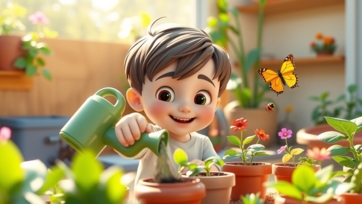
Gardening is a fun and educational activity for children that encourages curiosity, responsibility, and creativity. Easy gardening activities at home help kids explore nature, learn about plants, and develop important life skills. By engaging in gardening, children gain hands-on experience with science, nutrition, and environmental awareness. Why Gardening is Important for Kids: Gardening teaches children about growth, patience, and sustainability. It promotes physical activity, fine motor skills, and mental well-being. Children who garden learn to care for living things, understand ecosystems, and develop a sense of responsibility and accomplishment. The Role of Parents and Caregivers: Parents and caregivers can guide children through gardening activities by providing materials, supervision, and encouragement. Participating together strengthens bonding and allows children to learn about planting, watering, and caring for plants in a safe and supportive environment. Basic Gardening Materials for Kids: Simple materials make gardening easy and enjoyable for children: Small pots, containers, or recycled items (e.g., yogurt cups) Soil or potting mix Seeds (vegetables, flowers, or herbs) Watering can or small spray bottle Gardening tools (child-friendly trowel, gloves, and spade) Labels, markers, and decorations Fun Gardening Activities for Kids: Gardening can be simple, creative, and interactive. Here are some activities children can try at home: Planting Seeds: Teach kids to fill pots with soil, plant seeds at the correct depth, and water gently. Label each pot with the plant name and date planted. Observe the growth process daily to understand how plants develop from seeds. Herb Gardening: Grow herbs like basil, mint, or parsley in small pots. Teach kids how to water, prune, and use herbs in cooking. Discuss the benefits of herbs for health and flavor. Vegetable Gardening: Plant easy-to-grow vegetables like carrots, lettuce, or radishes. Children can learn about germination, sunlight requirements, and harvesting. Encouraging children to taste their home-grown vegetables makes learning practical and enjoyable. Flower Gardening: Plant colorful flowers such as marigolds, sunflowers, or pansies. Discuss the role of flowers in attracting pollinators like bees and butterflies. Create a flower diary to track growth, color changes, and blooming patterns. Creative Gardening Activities: Incorporate art and imagination into gardening to make it more engaging. Decorating Pots: Kids can paint pots, add stickers, or create labels for their plants. Decorating makes gardening personal and encourages pride in their work. Garden Crafts: Make plant markers from popsicle sticks or stones. Create small scarecrows or wind chimes to enhance the garden environment. Sensory Gardening: Encourage kids to touch, smell, and observe different plants. Discuss textures, colors, and scents to enhance sensory development. Educational Benefits of Gardening: Gardening activities teach important skills beyond plant care. Science and Nature Learning: Understand plant life cycles, photosynthesis, and ecosystems. Observe insects, soil types, and weather patterns. Learn cause-and-effect relationships by experimenting with sunlight and water. Math and Measurement: Measure plant growth, count seeds, and calculate spacing between plants. Track watering amounts and growth rates to reinforce practical math skills. Responsibility and Patience: Daily care teaches children responsibility and consistency. Watching plants grow over time develops patience and appreciation for progress. Nutrition Awareness: Growing fruits, vegetables, and herbs helps children understand healthy eating. Tasting their own produce encourages positive food choices. Safety Tips for Kids in Gardening: Always supervise young children. Use child-friendly tools and gloves to avoid injuries. Choose non-toxic plants and safe fertilizers. Teach proper handwashing after gardening. Tips to Make Gardening Fun and Engaging: Set achievable goals for planting and harvesting. Rotate activities to keep children interested. Involve siblings or friends for teamwork and social learning. Celebrate growth milestones and harvest achievements. Incorporate storytelling, journaling, or photography to document progress. Benefits of Gardening for Kids: Promotes physical activity and outdoor time. Develops creativity, problem-solving, and observational skills. Enhances responsibility, patience, and confidence. Strengthens knowledge of science, math, and nutrition. Fosters a connection with nature and environmental awareness. Conclusion: Easy gardening activities for kids at home provide a fun, educational, and hands-on way to learn about plants, nature, and responsibility. By planting seeds, growing vegetables, creating crafts, and observing growth, children develop cognitive, emotional, and physical skills. Parents and caregivers can make gardening enjoyable by guiding, encouraging, and participating with children, helping them gain confidence, creativity, and a lifelong appreciation for nature.