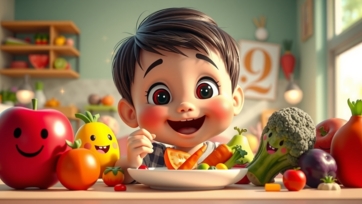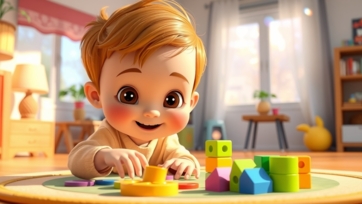
Addition is one of the first math skills children learn. It is the process of combining two or more numbers to find the total. Learning addition helps kids solve problems, count objects, and prepare for more advanced math like subtraction, multiplication, and division. With fun activities, games, and examples, addition can be exciting and easy for young learners!
Why Learning Addition is Important
Addition is not just about numbers on a page. It helps children in everyday life and builds their confidence in math.
-
Math foundation: Addition is the base for all arithmetic.
-
Problem solving: Helps kids understand combining objects or quantities.
-
Everyday skills: Useful in shopping, cooking, or sharing toys.
Step-by-Step Guide to Simple Addition
Start with Numbers 1 to 5
Begin with small numbers using objects children can touch and count.
Example Activity:
-
Take 2 apples and 1 banana. Ask your child: “How many fruits do we have?”
-
Count together: “1, 2, 3.”
-
Write the addition equation: 2 + 1 = 3.
Tip: Use colorful toys or snacks for better visual understanding.
Move to Numbers 6 to 10
Once kids are comfortable with small numbers, increase the range.
Example Activity:
-
Take 3 pencils and add 4 more pencils.
-
Count all pencils: 1, 2, 3, 4, 5, 6, 7.
-
Write: 3 + 4 = 7
Tip: Encourage kids to say the numbers out loud as they add. This strengthens memory.
Using Fingers for Addition
Fingers are perfect tools for learning addition.
Example:
-
5 + 2 = ?
-
Hold up 5 fingers on one hand and 2 on the other.
-
Count all fingers together: 1, 2, 3, 4, 5, 6, 7 → 5 + 2 = 7
Fun Tip: Make it a game by asking kids to add their fingers quickly.
Fun Addition Games for Kids
Addition with Toys
-
Take 5 toy cars and add 3 more.
-
Ask your child: “How many cars are there now?”
-
Count together and write the addition.
Snack Addition
-
Use candies, fruits, or cookies.
-
Combine 2 candies with 4 candies.
-
Count total and enjoy the snack as a reward!
Addition Song
-
Sing songs like: “1 + 1 = 2, 2 + 2 = 4…”
-
Rhymes and music make numbers easy to remember.
Tips for Easy Learning
-
Practice Daily: Short, frequent sessions work better than long ones.
-
Use Real Objects: Apples, blocks, and pencils make addition real.
-
Visual Aids: Number lines and charts help kids understand adding numbers.
-
Praise Efforts: Cheer for every correct answer to boost confidence.
Story Example: Addition in Daily Life
Imagine a playground with 3 kids on swings. 2 more kids come to play.
-
Count together: “1, 2, 3, 4, 5.”
-
Addition equation: 3 + 2 = 5
Lesson: Addition helps us organize and understand the world around us.
Conclusion
Simple addition is fun, easy, and full of learning adventures for kids. Start with small numbers, use objects and fingers, sing songs, and play games to make learning exciting. By practicing addition every day, children build a strong foundation in math, develop problem-solving skills, and gain confidence in numbers. Addition is the first step toward becoming a math superstar!