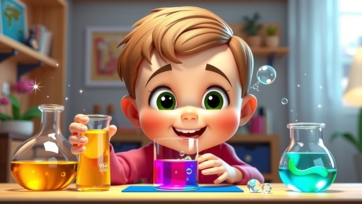
Learn About the Human Body in a Fun Way

The human body is an amazing machine that helps us move, think, eat, and play. Every part of the body works together to keep us alive and healthy. Children are naturally curious about how their bodies work, and learning about it can be both fun and educational. In this article, we will explore how to learn about the human body in a fun way for kids, using simple explanations, activities, and fascinating facts.

Why Learning About the Human Body Is Important for Kids:

Understanding the human body helps children take care of themselves and learn how their body works.

Learning about the human body teaches kids to:

  • Know the functions of different organs

  • Develop healthy habits

  • Appreciate the importance of exercise and nutrition

  • Build curiosity and interest in science

  • Understand how to prevent injuries and stay safe

A fun approach makes complex concepts easier to understand and remember.

The Human Body Made Simple for Kids:

The human body has many parts, but it can be understood in simple systems.

1. Skeletal System:

  • Made of bones

  • Supports the body and protects organs

  • Helps us stand, move, and grow

2. Muscular System:

  • Muscles work with bones to help us move

  • There are voluntary muscles (we control) and involuntary muscles (like the heart)

3. Circulatory System:

  • Heart pumps blood through blood vessels

  • Blood carries oxygen and nutrients to the body

  • Helps remove waste from the body

4. Respiratory System:

  • Lungs take in oxygen and release carbon dioxide

  • Helps us breathe and stay alive

5. Digestive System:

  • Breaks down food into energy

  • Includes stomach, intestines, and other organs

6. Nervous System:

  • Brain, spinal cord, and nerves

  • Controls thoughts, movements, and responses

Fun Facts About the Human Body for Kids:

The Brain Is Super Powerful:

The human brain controls everything we do, from thinking to moving.

Bones Are Strong and Lightweight:

Even though bones are hard, they are also light enough to let us move easily.

Muscles Work in Pairs:

Muscles pull, not push, so they work in pairs to move body parts.

The Heart Beats Thousands of Times a Day:

Your heart works non-stop, pumping blood all day and night.

Your Stomach Makes Acid:

The stomach uses acid to digest food safely.

Fun Activities to Learn About the Human Body:

1. Skeleton Puzzle Activity:

  • Use a puzzle or paper cutouts of bones

  • Arrange them to make a full skeleton

What Kids Learn: Bone structure and the skeletal system.

2. Heartbeat Experiment:

  • Measure your pulse before and after exercise

  • Count beats per minute

What Kids Learn: How the heart works and how exercise affects it.

3. Lung Capacity Test:

  • Blow up a balloon using one breath

  • Measure how much air your lungs can hold

What Kids Learn: How lungs help us breathe.

4. Digestive System Model:

  • Use simple materials to create a model of the stomach and intestines

What Kids Learn: How food moves and turns into energy.

Healthy Habits for a Strong Human Body:

Eat Nutritious Foods:

Fruits, vegetables, and proteins help the body grow.

Exercise Regularly:

Running, jumping, and playing keep muscles and bones strong.

Drink Water:

Water keeps the body hydrated and helps organs work properly.

Get Enough Sleep:

Sleep helps the body rest, repair, and grow.

Wash Hands and Stay Clean:

Good hygiene prevents sickness and keeps the body healthy.

How Teachers and Parents Can Make Learning Fun:

  • Use colorful charts and diagrams

  • Conduct hands-on activities and experiments

  • Play educational games about body parts

  • Ask children to draw and label body systems

  • Relate body functions to everyday life

Making learning interactive helps children remember concepts better.

What Kids Learn from Studying the Human Body:

By learning about the human body in a fun way, kids develop:

  • Awareness of how their body works

  • Healthy habits and self-care knowledge

  • Observation and scientific thinking skills

  • Curiosity and interest in biology and health

Understanding the human body encourages kids to take care of themselves and appreciate the amazing machine that is their body.

Conclusion:

The human body is fascinating, and learning about it can be fun and exciting for children. From the brain to the toes, every part has a special job that helps us live, play, and grow. Teaching kids about the human body in a fun way makes science enjoyable, educational, and memorable. By exploring their own bodies through activities and experiments, children develop curiosity, healthy habits, and a love for learning.

Advertisement
What Are Even and Odd Numbers
Learning about even and odd numbers is a fun way for children to explore math patterns, counting, and number sense. Even and odd numbers are everywhere—in toys, books, fruits, and games. Understanding them helps kids with math skills, problem-solving, and logical thinking. Why Learning Even and Odd Numbers is Important: Even and odd numbers are the foundation of many math concepts. Math patterns: Recognize number sequences and patterns. Problem-solving: Helps in counting, grouping, and dividing objects. Everyday life: Sharing toys, arranging items, or distributing candies. By learning even and odd numbers, kids develop confidence and logical thinking. What Are Even Numbers: Even numbers are numbers that can be divided into two equal parts without any remainder. Examples: 2, 4, 6, 8, 10… Fun Activities: Counting Objects: Take 6 apples and split them into 2 equal groups of 3 each. Hands-On Game: Use fingers to show pairs—each finger has a pair. Numbers with all paired fingers are even. Tip: All numbers ending with 0, 2, 4, 6, or 8 are even numbers. What Are Odd Numbers: Odd numbers are numbers that cannot be divided into two equal parts evenly. There is always one left over. Examples: 1, 3, 5, 7, 9… Fun Activities: Take 5 candies. Try to share equally with a friend. One candy will always be left. Use toys or blocks: group them in pairs and see which ones have one left. Tip: All numbers ending with 1, 3, 5, 7, or 9 are odd numbers. How to Identify Even and Odd Numbers: Look at the last digit: 0, 2, 4, 6, 8 → even; 1, 3, 5, 7, 9 → odd. Try pairing objects: If all objects can form pairs → even; if 1 object is left → odd. Use number line: Count numbers on a number line and notice the pattern: even, odd, even, odd… Fun Games to Learn Even and Odd Numbers: Even-Odd Hop: Draw numbers on the floor. Kids hop on even numbers with one foot and odd numbers with two feet. Sorting Objects: Collect buttons, pencils, or coins. Sort them into even and odd groups. Story Game: “There are 7 birds on a tree. 3 are paired and flying together, 1 is left alone. Is 7 even or odd?” This makes learning numbers fun and interactive. Story Example: Even and Odd in Daily Life: Lina had 10 balloons. She wanted to give the same number to her 2 friends. 10 ÷ 2 = 5 → Each friend gets 5 balloons. 10 is even. Then she bought 7 candies and wanted to share equally with a friend. 7 ÷ 2 = 3 with 1 left → 7 is odd. Lesson: Even and odd numbers help organize, share, and solve problems in daily life. Tips for Easy Learning: Practice Daily: Short exercises help kids remember even and odd numbers. Use Real Objects: Toys, fruits, and candies make learning practical. Play Games: Hop, sort, and story games make it fun. Use Visual Aids: Number lines, charts, and pairs help visualize numbers. Conclusion: Learning even and odd numbers is simple, fun, and full of interesting activities. With objects, games, and daily examples, children can easily identify, sort, and use even and odd numbers. Understanding these numbers lays the foundation for math patterns, problem-solving, and logical thinking. Even and odd numbers make counting exciting and meaningful for young learners!
Easy Craft Ideas for Kids at Home
Crafting is a fun and creative way for children to explore their imagination, develop fine motor skills, and express themselves. With simple materials found at home, kids can create amazing art projects while learning patience and problem-solving. In this article, we will explore easy craft ideas for kids at home that are fun, educational, and safe. Why Crafting Is Important for Kids: Craft activities help children: Boost creativity and imagination Improve hand-eye coordination and fine motor skills Learn colors, shapes, and patterns Develop patience, focus, and problem-solving skills Build confidence by completing projects Crafting is not only fun but also supports learning in an interactive way. Simple Craft Ideas for Kids at Home: 1. Paper Plate Animals: Use paper plates, colors, and cut-outs to make animals like lions, turtles, or birds. What Kids Learn: Shapes, colors, and creativity. 2. Handmade Greeting Cards: Make cards for family or friends using colored paper, stickers, and drawings. What Kids Learn: Expressing emotions and practicing writing. 3. Egg Carton Crafts: Transform egg cartons into flowers, caterpillars, or creative creatures. What Kids Learn: Recycling and imaginative thinking. 4. Popsicle Stick Creations: Create puppets, small houses, or picture frames using popsicle sticks and glue. What Kids Learn: Building skills and spatial awareness. 5. DIY Paper Masks: Make masks of animals or favorite characters using paper, colors, and elastic strings. What Kids Learn: Role-playing, art, and self-expression. Fun Craft Activities With Everyday Items: 1. Nature Crafts: Collect leaves, flowers, or twigs and make collages or prints. What Kids Learn: Observing nature and using it creatively. 2. Bottle Cap Art: Use old bottle caps to make jewelry, mosaics, or colorful patterns. What Kids Learn: Recycling and fine motor skills. 3. Cotton Ball Snowmen: Glue cotton balls on paper to create snowmen or clouds. What Kids Learn: Texture, shapes, and imaginative play. 4. Origami Fun: Fold paper to make simple animals, boats, or stars. What Kids Learn: Following instructions and patience. How Parents and Teachers Can Encourage Crafting: Provide Safe Materials: Use child-friendly scissors, glue, and colors. Set Up a Craft Station: Keep a space with accessible materials for creativity. Encourage Experimentation: Allow kids to try new ideas without fear of mistakes. Join in the Fun: Craft together to make it a bonding activity. Display Their Work: Celebrate achievements by showing their crafts at home or classroom. Supporting children in crafting nurtures creativity, confidence, and problem-solving skills. Benefits of Crafting for Kids: Children who engage in crafts at home develop: Fine motor skills and hand-eye coordination Creativity and imagination Focus, patience, and problem-solving skills Confidence and pride in completing projects Interest in art, learning, and self-expression Crafting provides a fun, educational, and therapeutic activity for children of all ages. Conclusion: Easy craft ideas for kids at home are perfect for nurturing creativity, learning new skills, and having fun with simple materials. By exploring craft projects, DIY activities, and imaginative creations, children can express themselves, develop fine motor skills, and enjoy productive screen-free time. Crafting encourages curiosity, confidence, and a lifelong love for creativity.
How Do Rainbows Form? Simple Science for Kids
Have you ever seen a beautiful rainbow in the sky and wondered how it appears? Rainbows are magical and colorful arcs that appear after rain when the sun shines. This kids science story explains how rainbows form in a simple and fun way, making it easy for children to understand the science behind this natural wonder. Sunlight and Rain: Rainbows happen when sunlight passes through rain droplets in the sky. Sunlight looks white, but it is made of many colors: red, orange, yellow, green, blue, indigo, and violet. When sunlight enters a raindrop, it bends, reflects, and splits into all these colors, creating a rainbow. This process is called refraction and reflection. The Colors of the Rainbow: A rainbow always has seven colors in the same order: Red Orange Yellow Green Blue Indigo Violet Each color bends slightly differently, which is why we see all the colors separated in the sky. Why Rainbows Are Arches: Rainbows are curved because of the shape of raindrops and the way sunlight bends inside them. If you were high up in the sky, like in an airplane, sometimes you could see a full circle rainbow! Fun Facts About Rainbows: Rainbows always appear opposite the sun. Sometimes, you can see double rainbows with a fainter second arc. Rainbows are made entirely of light, so you cannot touch or catch them. Animals like butterflies and birds can also see the colors of the rainbow, just like humans. Simple Experiment to Make a Rainbow: Kids can try this at home: Fill a glass with water and shine sunlight through it. Place a white paper behind the glass. Tilt the glass slowly and see a rainbow appear on the paper! This shows how sunlight bends and splits into colors, just like real rainbows. Why Rainbows Are Special: Rainbows teach children about: The science of light and colors How nature works in magical ways Observation and curiosity about the world The beauty and wonder of everyday science Rainbows remind us that science can be fun and colorful! Moral of the Story: Rainbows form when sunlight passes through raindrops, bending and splitting into beautiful colors. Understanding this shows the magic and science of nature. Why Kids Should Read This Story: This simple science story for kids helps children: Learn why rainbows appear after rain Understand light, colors, and refraction in a fun way Develop curiosity about natural phenomena Explore science through observation and experiments Parents and teachers can use this story as a fun educational lesson or a bedtime science story. Final Message: 🌈 Look for rainbows after the rain — sunlight and raindrops create nature’s most colorful magic! 🌈
Creative Arts and Crafts Ideas for Kids
Arts and crafts are a wonderful way for children to express creativity, develop fine motor skills, and boost confidence. Creative activities not only provide fun but also encourage problem-solving, imagination, and self-expression. With simple materials, children can explore endless possibilities and create beautiful projects that inspire pride and joy. Why Arts and Crafts are Important for Kids: Arts and crafts help children develop cognitive, emotional, and social skills. They improve hand-eye coordination, concentration, and patience. Craft activities also teach kids to follow instructions, experiment with colors and shapes, and think creatively. Early exposure to arts nurtures a lifelong appreciation for creativity and innovation. The Role of Parents and Educators: Parents and educators can support children’s creative development by providing materials, guidance, and encouragement. Participating in projects together fosters bonding and allows adults to teach new techniques while encouraging self-expression. Basic Materials for Kids’ Crafts: Simple, everyday items can be used for fun and engaging arts and crafts activities. Colored paper, construction sheets, and card stock Crayons, markers, watercolor paints, and brushes Glue, tape, and child-safe scissors Buttons, beads, ribbons, and yarn Recyclable items like cardboard, bottle caps, and egg cartons Fun Arts and Crafts Ideas: Here are some engaging projects that children can try at home or school. Paper Crafts: Paper crafts are simple and versatile. Kids can create origami animals, greeting cards, paper flowers, or decorative masks. These activities improve dexterity and spatial awareness while allowing creative expression. Painting and Drawing: Painting and drawing help children explore colors, shapes, and emotions. Encourage kids to paint freely, try abstract art, or follow step-by-step tutorials. Finger painting, watercolor blending, and dot painting are popular techniques for younger children. Recycling Crafts: Using recyclable items to create crafts teaches children environmental awareness and resourcefulness. Bottle caps can become jewelry, cardboard boxes can be transformed into houses, and old magazines can be used for collages. Crafts for Learning and STEM Skills: Arts and crafts can also introduce science, technology, engineering, and math concepts. Building Structures: Using clay, LEGO, or sticks, children can construct bridges, towers, and simple machines. These activities teach balance, stability, and basic engineering principles. Measuring and Patterns: Crafts involving measuring, cutting, and arranging shapes help kids develop math skills. Creating patterns with beads, tiles, or paper strips strengthens logical thinking and sequencing abilities. Color Mixing Experiments: Mixing primary colors to create new colors is a fun way to teach basic science and art concepts. Kids learn about combinations, proportions, and cause-and-effect relationships. Social and Emotional Benefits of Arts and Crafts: Creative projects enhance emotional intelligence, self-expression, and collaboration. Collaborative Projects: Group crafts or murals encourage teamwork, communication, and sharing ideas. Children learn to cooperate, respect others’ opinions, and achieve common goals. Emotional Expression: Drawing, painting, or crafting allows children to express feelings in a safe and constructive way. It helps reduce stress and promotes self-confidence and resilience. Tips for Making Arts and Crafts Fun: Provide Freedom: Allow kids to explore materials and create freely. Keep it Simple: Start with easy projects that match the child’s age and skills. Encourage Storytelling: Let children narrate stories about their creations. Display Their Work: Showcasing art at home or in classrooms boosts confidence. Combine Learning: Integrate subjects like math, science, and literature with craft projects. Seasonal and Themed Crafts: Holiday Crafts: Christmas ornaments, Halloween masks, or Diwali decorations. Nature Crafts: Leaf collages, rock painting, or flower pressing. Animal Crafts: Origami, clay models, or handprint animals. Benefits of Arts and Crafts for Kids: Enhances creativity, imagination, and problem-solving. Develops fine motor and cognitive skills. Improves emotional expression and social skills. Encourages patience, focus, and perseverance. Creates a sense of accomplishment and pride. Conclusion: Creative arts and crafts for kids provide a fun, educational, and therapeutic way to learn and grow. From paper crafts and painting to recycling projects and STEM-based activities, children gain essential skills while exploring their imagination. Parents and educators can encourage creativity by providing materials, guidance, and praise, helping children develop confidence, curiosity, and a lifelong love for arts and learning.
Outdoor Learning Activities for Kids
Outdoor learning is a wonderful way for children to explore the world, develop skills, and stay active. Fun outdoor learning activities for kids combine play, discovery, and education. By using nature and outdoor spaces as a classroom, children can learn science, math, creativity, and social skills while having an enjoyable experience. Why Outdoor Learning is Important for Kids: Outdoor learning improves physical health, mental well-being, and social development. Children who spend time outside develop better coordination, problem-solving abilities, and creativity. Nature-based learning also encourages curiosity, observation, and a sense of responsibility toward the environment. The Role of Parents and Educators: Parents and educators guide outdoor learning by providing safe spaces, organizing activities, and encouraging exploration. By participating, observing, and asking questions, adults help children connect real-world experiences with learning concepts. Basic Outdoor Learning Concepts: Before starting outdoor activities, children should understand some basic concepts: Observation Skills: Encourage kids to notice colors, shapes, sounds, and movement in nature. Teach them to compare, classify, and describe what they see. Measurement and Counting: Use natural objects to practice counting, measuring lengths, or comparing sizes. Introduce simple math concepts like addition, subtraction, or sorting. Problem-Solving: Pose challenges that require thinking, teamwork, or experimentation. Outdoor learning develops creativity and critical thinking skills. Fun Outdoor Learning Activities for Kids: Outdoor activities can be educational, active, and engaging. Nature Scavenger Hunt: Prepare a list of items for children to find, such as leaves, rocks, flowers, or insects. Encourage classification by size, color, or type. Teaches observation, categorization, and attention to detail. Outdoor Art and Crafts: Collect natural materials to create collages, leaf rubbings, or rock painting. Encourages creativity, fine motor skills, and appreciation of nature. Math and Counting Games: Count flowers, sticks, or pebbles during outdoor walks. Create simple addition or subtraction games using natural objects. Introduces practical math concepts in a fun, hands-on way. Science Exploration Outdoors: Outdoor learning is perfect for teaching science concepts through hands-on activities. Plant and Tree Observation: Examine leaves, flowers, and trees to learn about growth, structure, and types of plants. Keep a nature journal to record findings. Weather Experiments: Measure temperature, rainfall, or wind direction. Discuss seasonal changes and effects on plants and animals. Insect and Animal Observation: Observe insects, birds, or small animals to understand habitats and behavior. Encourage kids to ask questions and make hypotheses. Physical Activity and Outdoor Learning: Combining learning with movement keeps children active and healthy. Obstacle Courses: Incorporate math problems or vocabulary challenges at stations. Treasure Hunts: Hide objects with educational clues to solve along the way. Nature Walk Challenges: Assign counting, observation, or creative tasks while exploring parks or gardens. Teamwork and Social Skills Outdoors: Outdoor activities promote social development, cooperation, and communication. Group scavenger hunts encourage teamwork and strategy. Collaborative crafts and games teach sharing and listening. Children develop leadership, patience, and problem-solving skills while playing together. Tips to Make Outdoor Learning Fun and Safe: Choose safe, child-friendly outdoor spaces. Provide appropriate clothing, hats, and sunscreen for protection. Keep activities age-appropriate and engaging. Encourage questions, creativity, and exploration. Balance structured learning with free play for maximum enjoyment. Benefits of Outdoor Learning Activities for Kids: Enhances physical health, coordination, and energy levels. Develops observation, critical thinking, and problem-solving skills. Encourages creativity, imagination, and artistic expression. Builds social skills, teamwork, and communication. Promotes environmental awareness and love for nature. Conclusion: Fun outdoor learning activities for kids combine education, creativity, and physical activity. Nature-based experiences like scavenger hunts, art projects, science experiments, and obstacle courses help children develop cognitive, social, and motor skills. Parents and educators can make learning exciting by guiding exploration, encouraging curiosity, and providing safe and stimulating outdoor environments. With regular outdoor learning, children gain confidence, creativity, and a lifelong appreciation for the natural world.
Fascinating Animal Facts Every Child Should Know
Animals are one of the most exciting topics for children. From tiny insects to giant elephants, the animal world is full of surprises. Learning about animals helps children understand nature, develop kindness toward living beings, and grow curiosity about the world around them. In this article, we will explore fascinating animal facts every child should know in a fun, simple, and educational way. Why Learning About Animals Is Important for Children: Animals help children learn many important life lessons. By studying animals, kids understand how different creatures live, survive, and interact with nature. Learning animal facts helps children: Build curiosity and observation skills Learn about nature and the environment Develop empathy and responsibility Improve memory and knowledge Enjoy learning through fun facts Animal knowledge also encourages children to protect wildlife and care for the planet. Amazing Facts About Mammals That Kids Love: Mammals are animals that usually have fur or hair and feed milk to their babies. Elephants Have Incredible Memories: Elephants can remember places and other elephants for many years. They are known to be very intelligent and emotional animals. Dolphins Are Very Smart: Dolphins can recognize themselves in mirrors and communicate using sounds. They are one of the smartest animals in the ocean. Bats Are the Only Flying Mammals: Bats are special because they can fly. They use echolocation to find food in the dark. Whales Are the Largest Animals on Earth: The blue whale is bigger than any dinosaur that ever lived. Its heart alone can be as big as a small car. Interesting Bird Facts That Will Surprise Children: Birds are animals with feathers and wings, and many of them can fly. Ostriches Are the Largest Birds: Ostriches cannot fly, but they can run very fast. They also lay the largest eggs in the world. Hummingbirds Can Fly Backward: Hummingbirds are tiny birds that can hover in the air and fly backward, which most birds cannot do. Owls Can Turn Their Heads Around: Owls can turn their heads almost all the way around because they have flexible necks. Penguins Are Birds That Swim: Penguins cannot fly, but they are excellent swimmers and live in very cold places. Reptile Facts That Make Kids Curious: Reptiles are cold-blooded animals with scales. Snakes Can Smell with Their Tongues: Snakes use their tongues to collect smells from the air and understand their surroundings. Turtles Carry Their Homes: A turtle’s shell protects it from danger and grows with the turtle as it gets older. Chameleons Change Color: Chameleons change color to communicate and control their body temperature, not just to hide. Cool Facts About Insects and Small Creatures: Even tiny animals can do amazing things. Ants Are Very Strong: Ants can lift objects many times heavier than their own body weight. Bees Help Make Our Food: Bees pollinate plants, which helps fruits and vegetables grow. Butterflies Taste with Their Feet: Butterflies use their feet to taste plants before laying eggs. Spiders Are Not Insects: Spiders have eight legs and belong to a different group called arachnids. Sea Animal Facts That Children Find Exciting: The ocean is home to many mysterious creatures. Octopuses Have Three Hearts: Two hearts pump blood to the gills, and one pumps it to the rest of the body. Sharks Have Been Around for Millions of Years: Sharks lived on Earth even before dinosaurs. Starfish Can Grow New Arms: If a starfish loses an arm, it can grow a new one over time. Seahorses Have a Unique Family Role: Male seahorses carry and give birth to babies. Fun Animal Behavior Facts for Kids: Dogs Can Understand Human Feelings: Dogs can sense emotions like happiness and sadness through voice and body language. Cats Sleep a Lot: Cats can sleep up to 16 hours a day to save energy. Monkeys Love to Play: Monkeys are playful animals and use games to learn and socialize. Animals With Special Survival Skills: Animals have unique abilities that help them survive. Camels Store Energy in Their Humps: Camels store fat in their humps, helping them survive in deserts. Frogs Can Breathe Through Their Skin: Frogs can absorb oxygen through their skin when underwater. Polar Bears Have Thick Fur and Fat: This helps them stay warm in freezing Arctic temperatures. How Animals Help Humans and Nature: Animals play an important role in our lives and the environment. Animals help by: Pollinating plants Keeping ecosystems balanced Providing companionship Teaching responsibility and care Understanding animals helps children respect and protect them. Simple Ways Children Can Learn More About Animals: Reading Animal Books: Picture books and fact books make learning fun. Watching Nature Programs: Documentaries help children see animals in their natural habitats. Visiting Zoos and Wildlife Parks: Seeing animals in real life makes learning memorable. Drawing and Craft Activities: Creative activities help kids remember animal facts. What Animal Facts Teach Children: By learning animal facts, children develop: Curiosity and love for nature Observation and thinking skills Respect for living beings Environmental awareness Animal education shapes kind and responsible future citizens. Conclusion: The animal world is full of wonders that amaze children and adults alike. From intelligent dolphins to tiny hardworking ants, every animal has something special to teach us. Learning fascinating animal facts every child should know makes education enjoyable, meaningful, and inspiring. By exploring animal life, children grow smarter, kinder, and more curious about the beautiful world they live in.
The Kind Lion and the Clever Mouse
In a vast green jungle filled with tall trees, colorful birds, and flowing rivers, there lived a mighty lion named Sheru. He was the king of the jungle, strong and powerful, but unlike other lions, Sheru was also kind and fair. All the animals respected him, not only because of his strength, but because of his good heart. This kids moral story teaches children that kindness and intelligence are just as important as strength. The Small Mouse in the Big Jungle: Near a big banyan tree lived a tiny mouse named Mino. He was small, fast, and very clever. Although many animals ignored him because of his size, Mino believed that even small creatures could do great things. Every day, Mino helped other animals by sharing food and warning them about dangers. He believed in friendship and kindness. A Dangerous Mistake: One afternoon, while Sheru the lion was sleeping under a shady tree, Mino accidentally ran across his tail. The lion woke up with a loud roar and trapped the mouse under his huge paw. The jungle went silent. A Brave Request: Mino trembled but said politely, “Oh King of the Jungle, please forgive me. I did not mean to disturb you. One day, I may be able to help you.” The lion laughed loudly. “You? A tiny mouse helping a lion?” But Sheru saw honesty and fear in Mino’s eyes. Instead of hurting him, Sheru lifted his paw and said, “Go, little one. Be careful next time.” A Promise of Friendship: Mino bowed respectfully and said, “Thank you, kind lion. I will never forget your kindness.” The mouse ran away happily, and Sheru returned to his rest. He did not know that his small act of kindness would soon return to him in a surprising way. Trouble in the Jungle: A few days later, hunters entered the jungle. They wanted to capture the mighty lion. They placed a strong net near the river where Sheru often drank water. That evening, Sheru walked into the trap. Suddenly, the net fell over him. He roared loudly and tried to escape, but the net was too strong. The Clever Mouse Returns: Mino heard the lion’s roar from far away. He recognized the sound and rushed toward it. When he saw Sheru trapped, he did not feel fear. Intelligence Over Strength: Mino said, “Do not worry, my friend. I am here.” Using his sharp teeth, the clever mouse began to chew the thick ropes of the net. Slowly, one rope broke, then another. After some time, the net fell apart. Sheru was free. A Lesson Learned: The lion looked at the tiny mouse with surprise and gratitude. “You were right,” Sheru said softly. “Even small friends can be great helpers.” Sheru promised to always protect Mino and treat every animal with respect, no matter how small. Kindness Spreads in the Jungle: From that day on, the jungle changed. Big animals helped small ones, and small animals respected the big ones. Sheru ruled the jungle with wisdom, kindness, and fairness. Mino became famous as the clever mouse who saved the lion. Children animals listened to his story and learned the value of intelligence and bravery. Why Size Does Not Matter: Many animals thought strength was everything, but this story proved that: Kindness builds friendships Intelligence solves problems Respect makes peace True Power Explained: True power is not about being big or strong. It is about having a good heart and a sharp mind. Moral of the Story: Kindness is never wasted. Even the smallest friend can help you in the biggest trouble. Why This Story Is Important for Kids: This children’s moral story helps kids learn: Respect for others The value of kindness The power of intelligence Why no one should be underestimated Parents and teachers often use The Kind Lion and the Clever Mouse as a bedtime story for kids and a classroom moral lesson. Final Message for Children: Always be kind, no matter how strong you are. Always be clever, no matter how small you feel. One good action can change your life forever. 🦁🐭 Remember: Big hearts and smart minds make the world a better place.
Easy Addition for Kids
Addition is one of the first and most important math skills children learn. It helps them combine numbers, solve problems, and understand quantities. Learning addition can be fun and easy with colorful examples, stories, and interactive activities. Why Addition is Important: Addition helps children count and combine objects. It is the foundation for subtraction, multiplication, and division. Addition improves thinking, memory, and problem-solving skills. Kids use addition in daily life, like counting toys, snacks, or steps. Basic Addition Explained: 1. What is Addition?: Addition is putting two or more numbers together to find the total. Example: 2 apples + 3 apples = 5 apples 1 toy + 4 toys = 5 toys Fun Tip: Use real objects like fruits or toys to make addition concrete and easy to understand. 2. Addition with Fingers: Children can use their fingers to add numbers. Example: Hold up 3 fingers on one hand and 2 fingers on the other hand. Count all fingers together: 3 + 2 = 5 This method helps kids visualize numbers and totals. 3. Number Line Addition: Draw a number line from 0 to 20 or 50. Start at the first number, then jump forward for the second number. The number you land on is the sum. Example: 4 + 3: Start at 4, jump 3 steps → land on 7. Fun Addition Activities for Kids: 1. Addition with Toys: Use blocks, cars, or dolls. Ask children to add two groups of toys together. Example: 3 red blocks + 2 blue blocks = 5 blocks 2. Addition Stories: Make small stories with numbers. Example Story: “Tom had 2 candies. His friend gave him 3 more. How many candies does Tom have now?” Answer: 2 + 3 = 5 Stories make addition fun and relatable. 3. Addition Songs: Sing songs that include counting and adding numbers. Music helps children remember sums easily. 4. Drawing and Coloring Addition: Draw objects like stars, apples, or balloons. Ask children to color and add them. Example: 4 stars + 3 stars → draw all 7 stars together. Tricks to Learn Addition Quickly: Start Small: Begin with numbers 1–10 before moving to bigger numbers. Use Objects: Toys, blocks, or beads make addition hands-on and fun. Practice Daily: A few minutes every day helps memorize basic sums. Add in Groups: Combine numbers into groups of 5 or 10 to simplify addition. Story Example: The Candy Addition Adventure: Lily had 5 candies, and her brother gave her 4 more. She counted all the candies: 5 + 4 = 9 She shared some candies with her friends and realized that addition makes sharing and counting fun. Lesson: Addition helps children solve problems and enjoy learning math. Interactive Games for Easy Addition: Addition Hopscotch: Draw numbers on the ground and jump to add numbers together. Toy Addition Race: Arrange two groups of toys, and kids add them to find the total. Number Line Jump: Use a number line and jump steps to find sums. Addition Puzzle: Use cards or blocks with numbers and ask children to match sums. Interesting Comparisons for Kids: Addition is like putting together Lego blocks to build something bigger. It’s like collecting fruits from two baskets and counting all of them. Addition shows that two small numbers together make a bigger number. Tips to Learn Addition Effectively: Practice with Real Objects: Count snacks, toys, or pencils. Make It Fun: Use games, songs, or stories. Observe Patterns: Notice sums that appear frequently, like 2 + 2, 5 + 5. Encourage Sharing: Use addition in daily life situations, like adding candies or fruits. Conclusion: Easy addition is fun and exciting for kids when taught with objects, stories, and activities. By practicing daily, using toys and songs, and solving small addition problems, children can learn numbers, improve counting skills, and enjoy math. Addition is not just numbers—it’s a skill for life!