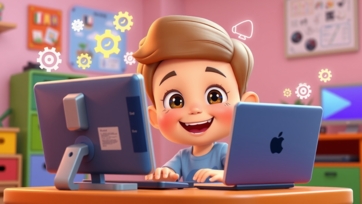
Introducing children to robots and artificial intelligence (AI) in a simple, fun way helps spark curiosity, creativity, and problem-solving skills. Learning about robots and AI doesn’t have to be complicated—children can explore these exciting technologies through games, interactive projects, and hands-on activities.
Why Learning Robots and AI is Important for Kids:
Robots and AI are becoming an integral part of daily life. Teaching children about these technologies early develops critical thinking, logical reasoning, and innovation. Kids who learn about robots and AI gain confidence, teamwork skills, and a foundation for future STEM education.
The Role of Parents and Educators:
Parents and teachers can make learning robots and AI enjoyable by using age-appropriate kits, coding apps, and storytelling. Encouraging experimentation, asking questions, and guiding children through simple projects makes learning interactive and memorable.
Fun Ways Kids Can Learn About Robots and AI:
There are many beginner-friendly ways for children to explore robots and AI concepts. Hands-on activities and games make abstract ideas easy to understand.
Building Simple Robots:
Kids can build simple robots using kits like LEGO Education, Dash & Dot, or other DIY robot sets. These activities teach mechanical skills, problem-solving, and basic programming concepts.
Coding Robots:
Coding platforms allow kids to control robot movements, lights, and sounds. Simple visual coding tools like Scratch, Blockly, or MakeCode help children understand how AI and robotics work in a fun, interactive way.
AI-Powered Games and Apps:
Children can learn AI concepts through interactive apps and games that teach pattern recognition, logic, and decision-making. These activities introduce AI in a safe, child-friendly environment.
Using Storytelling to Teach AI:
Stories about friendly robots and smart machines help kids understand AI in a relatable way. For example, tales of robots helping humans, solving problems, or exploring space teach problem-solving, creativity, and ethical thinking.
Hands-On AI Projects for Kids:
-
Voice Recognition Games: Use simple voice commands to control actions.
-
Drawing or Painting Robots: Teach pattern recognition and creativity.
-
AI Sorting Games: Introduce concepts of machine learning and categorization.
Tips to Encourage Kids to Explore Robots and AI:
-
Start Simple: Use basic robot kits or beginner-friendly apps.
-
Make Learning Playful: Include games, competitions, and storytelling.
-
Encourage Experimentation: Let kids try, make mistakes, and find solutions.
-
Celebrate Achievements: Praise creative solutions and teamwork.
-
Combine STEM Activities: Integrate math, coding, and science with robotics.
Benefits of Early Learning Robots and AI:
Early exposure to robotics and AI helps children develop analytical thinking, creativity, and collaboration skills. It also builds confidence in using technology, encourages problem-solving, and prepares children for a future in science, engineering, and AI-related fields.
Conclusion:
Learning robots and AI in a simple way for children combines fun, creativity, and education. By using interactive projects, coding, and storytelling, kids can explore advanced technology in an age-appropriate manner. Early exposure to robotics and AI inspires curiosity, innovation, and prepares children for a tech-driven future.