Jungle Animals and Their Homes

The jungle is full of amazing animals, each with a special home or shelter that keeps them safe and comfortable. Learning about jungle animals and their homes helps children understand nature, habitats, and animal behavior. This article explores fascinating jungle animals, where they live, fun stories, and activities for kids.


Why Animals Need Homes:

Animals need homes to:

  • Stay safe from predators.

  • Rest and sleep comfortably.

  • Raise their babies in a secure place.

  • Store food or protect themselves from weather changes.

Each jungle animal has a unique way of building or finding its home, depending on its needs and abilities.


Amazing Jungle Animals and Their Homes:

1. Tigers – Hidden Dens:

  • Tigers live in dense forests and create hidden dens under trees or bushes.

  • These dens keep them safe from enemies and help them raise their cubs.

Fun Example:

  • Imagine a secret fort in your backyard where only you can play—that’s like a tiger’s den!


2. Elephants – Open Spaces:

  • Elephants live in forests and grasslands but don’t build traditional homes.

  • They use trees, mud, and water to create shelters and cool themselves.

Activity:

  • Kids can play a game pretending to be elephants, using mud (or clay) and leaves to make pretend shelters.


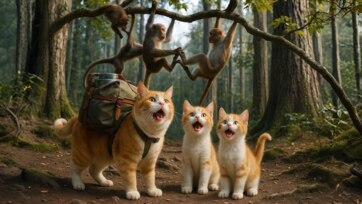
3. Monkeys – Tree Homes:

  • Monkeys live in trees to stay safe from predators.

  • They build nests from leaves and branches, which they use to sleep and rest.

Fun Fact:

  • Monkeys love swinging from branches, which is both play and exercise.


4. Birds – Nests:

  • Jungle birds build nests using twigs, leaves, and feathers.

  • Each bird species has a unique nest design, some in trees, others in bushes or cliffs.

Activity:

  • Children can make paper or twig nests to learn about different bird homes.


5. Bees – Hives:

  • Jungle bees live in hives, often hidden in trees or rocks.

  • Hives protect the colony and store honey, which bees use as food.

Fun Example:

  • A hive is like a busy apartment building, where every bee has a job!


6. Snakes – Burrows and Logs:

  • Many snakes live in burrows, hollow logs, or under rocks.

  • These homes provide warmth, safety, and a quiet place to rest.

Activity:

  • Use toy snakes and boxes or tunnels to show how snakes hide in their homes.


7. Jungle Cats – Hidden Spots:

  • Leopards and jaguars hide in trees or dense bushes.

  • They choose quiet, camouflaged spots to protect themselves and their cubs.


Fun Stories About Jungle Homes:

Story 1: The Lost Baby Tiger:

A baby tiger got lost while exploring. He found shelter under a large tree, where his mother soon found him.

Lesson: Jungle homes are essential for safety and survival.

Story 2: The Clever Monkey Family:

A family of monkeys built a strong nest from twigs and leaves. When a storm came, their nest kept them safe and dry, showing the importance of a well-built home.


Fun Activities for Kids:

1. Jungle Animal Habitat Game:

  • Place pictures or toys of jungle animals.

  • Ask children to match each animal with its correct home.

2. Drawing and Coloring:

  • Draw jungle animals and their homes, like tiger dens, bird nests, or monkey nests.

3. Role Play:

  • Children can pretend to be animals building homes, using chairs, blankets, or blocks.

  • Helps them understand animal behavior and creativity.

4. Storytelling Activity:

  • Children can create their own stories about jungle animals finding or building homes.

  • Encourages imagination and learning about habitats.


Interesting Comparisons for Kids:

  • A tiger’s den is like a hidden fort for children.

  • A monkey nest is like a treehouse.

  • A bee hive is like a busy city building, with everyone having a job.


Tips for Kids to Learn About Jungle Homes:

  1. Observe Nature: Watch documentaries or visit zoos to see animal homes.

  2. Read Books: Learn about different jungle animals and their habitats.

  3. Interactive Crafts: Build model homes for animals using leaves, sticks, or paper.

  4. Games and Activities: Play matching games to identify animals and their homes.


Conclusion:

Jungle animals are amazing because they create and find homes suited to their needs. From tiger dens to bird nests and bee hives, every home is unique and important for survival. Learning about jungle animals and their homes teaches children about nature, safety, creativity, and responsibility. With fun stories, crafts, and games, kids can explore wildlife in a playful and educational way.
Advertisement
How Do Rainbows Form? Simple Science for Kids
Have you ever seen a beautiful rainbow in the sky and wondered how it appears? Rainbows are magical and colorful arcs that appear after rain when the sun shines. This kids science story explains how rainbows form in a simple and fun way, making it easy for children to understand the science behind this natural wonder. Sunlight and Rain: Rainbows happen when sunlight passes through rain droplets in the sky. Sunlight looks white, but it is made of many colors: red, orange, yellow, green, blue, indigo, and violet. When sunlight enters a raindrop, it bends, reflects, and splits into all these colors, creating a rainbow. This process is called refraction and reflection. The Colors of the Rainbow: A rainbow always has seven colors in the same order: Red Orange Yellow Green Blue Indigo Violet Each color bends slightly differently, which is why we see all the colors separated in the sky. Why Rainbows Are Arches: Rainbows are curved because of the shape of raindrops and the way sunlight bends inside them. If you were high up in the sky, like in an airplane, sometimes you could see a full circle rainbow! Fun Facts About Rainbows: Rainbows always appear opposite the sun. Sometimes, you can see double rainbows with a fainter second arc. Rainbows are made entirely of light, so you cannot touch or catch them. Animals like butterflies and birds can also see the colors of the rainbow, just like humans. Simple Experiment to Make a Rainbow: Kids can try this at home: Fill a glass with water and shine sunlight through it. Place a white paper behind the glass. Tilt the glass slowly and see a rainbow appear on the paper! This shows how sunlight bends and splits into colors, just like real rainbows. Why Rainbows Are Special: Rainbows teach children about: The science of light and colors How nature works in magical ways Observation and curiosity about the world The beauty and wonder of everyday science Rainbows remind us that science can be fun and colorful! Moral of the Story: Rainbows form when sunlight passes through raindrops, bending and splitting into beautiful colors. Understanding this shows the magic and science of nature. Why Kids Should Read This Story: This simple science story for kids helps children: Learn why rainbows appear after rain Understand light, colors, and refraction in a fun way Develop curiosity about natural phenomena Explore science through observation and experiments Parents and teachers can use this story as a fun educational lesson or a bedtime science story. Final Message: 🌈 Look for rainbows after the rain — sunlight and raindrops create nature’s most colorful magic! 🌈
Creative Arts and Crafts Ideas for Kids
Arts and crafts are a wonderful way for children to express creativity, develop fine motor skills, and boost confidence. Creative activities not only provide fun but also encourage problem-solving, imagination, and self-expression. With simple materials, children can explore endless possibilities and create beautiful projects that inspire pride and joy. Why Arts and Crafts are Important for Kids: Arts and crafts help children develop cognitive, emotional, and social skills. They improve hand-eye coordination, concentration, and patience. Craft activities also teach kids to follow instructions, experiment with colors and shapes, and think creatively. Early exposure to arts nurtures a lifelong appreciation for creativity and innovation. The Role of Parents and Educators: Parents and educators can support children’s creative development by providing materials, guidance, and encouragement. Participating in projects together fosters bonding and allows adults to teach new techniques while encouraging self-expression. Basic Materials for Kids’ Crafts: Simple, everyday items can be used for fun and engaging arts and crafts activities. Colored paper, construction sheets, and card stock Crayons, markers, watercolor paints, and brushes Glue, tape, and child-safe scissors Buttons, beads, ribbons, and yarn Recyclable items like cardboard, bottle caps, and egg cartons Fun Arts and Crafts Ideas: Here are some engaging projects that children can try at home or school. Paper Crafts: Paper crafts are simple and versatile. Kids can create origami animals, greeting cards, paper flowers, or decorative masks. These activities improve dexterity and spatial awareness while allowing creative expression. Painting and Drawing: Painting and drawing help children explore colors, shapes, and emotions. Encourage kids to paint freely, try abstract art, or follow step-by-step tutorials. Finger painting, watercolor blending, and dot painting are popular techniques for younger children. Recycling Crafts: Using recyclable items to create crafts teaches children environmental awareness and resourcefulness. Bottle caps can become jewelry, cardboard boxes can be transformed into houses, and old magazines can be used for collages. Crafts for Learning and STEM Skills: Arts and crafts can also introduce science, technology, engineering, and math concepts. Building Structures: Using clay, LEGO, or sticks, children can construct bridges, towers, and simple machines. These activities teach balance, stability, and basic engineering principles. Measuring and Patterns: Crafts involving measuring, cutting, and arranging shapes help kids develop math skills. Creating patterns with beads, tiles, or paper strips strengthens logical thinking and sequencing abilities. Color Mixing Experiments: Mixing primary colors to create new colors is a fun way to teach basic science and art concepts. Kids learn about combinations, proportions, and cause-and-effect relationships. Social and Emotional Benefits of Arts and Crafts: Creative projects enhance emotional intelligence, self-expression, and collaboration. Collaborative Projects: Group crafts or murals encourage teamwork, communication, and sharing ideas. Children learn to cooperate, respect others’ opinions, and achieve common goals. Emotional Expression: Drawing, painting, or crafting allows children to express feelings in a safe and constructive way. It helps reduce stress and promotes self-confidence and resilience. Tips for Making Arts and Crafts Fun: Provide Freedom: Allow kids to explore materials and create freely. Keep it Simple: Start with easy projects that match the child’s age and skills. Encourage Storytelling: Let children narrate stories about their creations. Display Their Work: Showcasing art at home or in classrooms boosts confidence. Combine Learning: Integrate subjects like math, science, and literature with craft projects. Seasonal and Themed Crafts: Holiday Crafts: Christmas ornaments, Halloween masks, or Diwali decorations. Nature Crafts: Leaf collages, rock painting, or flower pressing. Animal Crafts: Origami, clay models, or handprint animals. Benefits of Arts and Crafts for Kids: Enhances creativity, imagination, and problem-solving. Develops fine motor and cognitive skills. Improves emotional expression and social skills. Encourages patience, focus, and perseverance. Creates a sense of accomplishment and pride. Conclusion: Creative arts and crafts for kids provide a fun, educational, and therapeutic way to learn and grow. From paper crafts and painting to recycling projects and STEM-based activities, children gain essential skills while exploring their imagination. Parents and educators can encourage creativity by providing materials, guidance, and praise, helping children develop confidence, curiosity, and a lifelong love for arts and learning.
Outdoor Learning Activities for Kids
Outdoor learning is a wonderful way for children to explore the world, develop skills, and stay active. Fun outdoor learning activities for kids combine play, discovery, and education. By using nature and outdoor spaces as a classroom, children can learn science, math, creativity, and social skills while having an enjoyable experience. Why Outdoor Learning is Important for Kids: Outdoor learning improves physical health, mental well-being, and social development. Children who spend time outside develop better coordination, problem-solving abilities, and creativity. Nature-based learning also encourages curiosity, observation, and a sense of responsibility toward the environment. The Role of Parents and Educators: Parents and educators guide outdoor learning by providing safe spaces, organizing activities, and encouraging exploration. By participating, observing, and asking questions, adults help children connect real-world experiences with learning concepts. Basic Outdoor Learning Concepts: Before starting outdoor activities, children should understand some basic concepts: Observation Skills: Encourage kids to notice colors, shapes, sounds, and movement in nature. Teach them to compare, classify, and describe what they see. Measurement and Counting: Use natural objects to practice counting, measuring lengths, or comparing sizes. Introduce simple math concepts like addition, subtraction, or sorting. Problem-Solving: Pose challenges that require thinking, teamwork, or experimentation. Outdoor learning develops creativity and critical thinking skills. Fun Outdoor Learning Activities for Kids: Outdoor activities can be educational, active, and engaging. Nature Scavenger Hunt: Prepare a list of items for children to find, such as leaves, rocks, flowers, or insects. Encourage classification by size, color, or type. Teaches observation, categorization, and attention to detail. Outdoor Art and Crafts: Collect natural materials to create collages, leaf rubbings, or rock painting. Encourages creativity, fine motor skills, and appreciation of nature. Math and Counting Games: Count flowers, sticks, or pebbles during outdoor walks. Create simple addition or subtraction games using natural objects. Introduces practical math concepts in a fun, hands-on way. Science Exploration Outdoors: Outdoor learning is perfect for teaching science concepts through hands-on activities. Plant and Tree Observation: Examine leaves, flowers, and trees to learn about growth, structure, and types of plants. Keep a nature journal to record findings. Weather Experiments: Measure temperature, rainfall, or wind direction. Discuss seasonal changes and effects on plants and animals. Insect and Animal Observation: Observe insects, birds, or small animals to understand habitats and behavior. Encourage kids to ask questions and make hypotheses. Physical Activity and Outdoor Learning: Combining learning with movement keeps children active and healthy. Obstacle Courses: Incorporate math problems or vocabulary challenges at stations. Treasure Hunts: Hide objects with educational clues to solve along the way. Nature Walk Challenges: Assign counting, observation, or creative tasks while exploring parks or gardens. Teamwork and Social Skills Outdoors: Outdoor activities promote social development, cooperation, and communication. Group scavenger hunts encourage teamwork and strategy. Collaborative crafts and games teach sharing and listening. Children develop leadership, patience, and problem-solving skills while playing together. Tips to Make Outdoor Learning Fun and Safe: Choose safe, child-friendly outdoor spaces. Provide appropriate clothing, hats, and sunscreen for protection. Keep activities age-appropriate and engaging. Encourage questions, creativity, and exploration. Balance structured learning with free play for maximum enjoyment. Benefits of Outdoor Learning Activities for Kids: Enhances physical health, coordination, and energy levels. Develops observation, critical thinking, and problem-solving skills. Encourages creativity, imagination, and artistic expression. Builds social skills, teamwork, and communication. Promotes environmental awareness and love for nature. Conclusion: Fun outdoor learning activities for kids combine education, creativity, and physical activity. Nature-based experiences like scavenger hunts, art projects, science experiments, and obstacle courses help children develop cognitive, social, and motor skills. Parents and educators can make learning exciting by guiding exploration, encouraging curiosity, and providing safe and stimulating outdoor environments. With regular outdoor learning, children gain confidence, creativity, and a lifelong appreciation for the natural world.
What Is the Solar System for Kids?
Have you ever looked at the night sky and wondered about the stars, planets, and the Sun? All of these belong to our solar system, a fascinating place full of planets, moons, and other space objects. This kids science story explains the solar system in a simple and fun way, helping children learn about the planets, the Sun, and how everything moves in space. The Sun – Our Bright Star: The Sun is the center of our solar system. It is a huge ball of hot gas that gives us light and heat. Without the Sun, life on Earth would not be possible. All the planets, moons, asteroids, and comets revolve around the Sun because of its strong gravity. The Sun is like a giant magnet holding the solar system together. The Planets of the Solar System: There are eight planets in our solar system. They are divided into two groups: 1. Inner Planets (Rocky Planets): Mercury: Smallest planet, closest to the Sun. Venus: Very hot and bright in the sky. Earth: Our home, the only planet known to have life. Mars: Known as the Red Planet because of its color. 2. Outer Planets (Gas Giants and Ice Giants): Jupiter: Largest planet, famous for its big red spot. Saturn: Known for its beautiful rings. Uranus: Rotates on its side and has faint rings. Neptune: A blue planet, farthest from the Sun. Each planet has unique features, and some even have moons that orbit around them. Other Objects in the Solar System: Besides planets, the solar system has many other objects: Moons: Natural satellites that orbit planets. Asteroids: Rocky objects mostly found in the asteroid belt between Mars and Jupiter. Comets: Icy objects that form bright tails when near the Sun. Meteoroids: Small rocks that sometimes enter Earth’s atmosphere as shooting stars. All these objects move in space, creating an amazing cosmic dance around the Sun. Fun Experiments to Learn About the Solar System: Kids can try these activities to understand the solar system: Make a model of the solar system using balls and paint. Use a lamp as the Sun and small balls as planets to see how planets orbit. Watch documentaries or planetarium videos to explore space. These activities make learning about planets fun and interactive. Why the Solar System Is Important: Learning about the solar system helps children: Understand Earth’s place in the universe Learn how planets, moons, and the Sun work together Encourage curiosity about space and science Explore science in a fun and imaginative way The solar system shows how everything in space is connected by gravity and movement. Moral of the Story: The solar system is a fascinating family of planets, moons, and stars revolving around the Sun. Understanding it teaches kids about space, science, and our place in the universe. Why Kids Should Read This Story: This simple science story for kids helps children: Learn about the planets and the Sun in an easy way Understand the solar system and its objects Develop curiosity and love for astronomy Explore space through fun activities and experiments Parents and teachers can use this story as a classroom lesson or bedtime science story. Final Message: 🌞 Our solar system is full of wonders — explore the planets, moons, and stars, and discover the magic of space! 🌞
The Magic of Magnets Explained for Children
Magnets are one of the most fascinating and fun objects for children to explore. They can pull, push, and even make objects float in mid-air! Learning about magnets helps kids understand the invisible forces in nature and introduces them to basic physics concepts. In this article, we will explore the magic of magnets explained for children in a simple and engaging way. What Are Magnets and Why Are They Special: Magnets are objects that can attract or repel certain metals, like iron, nickel, and cobalt. What makes them special is their magnetic force, which can work without touching an object directly. Learning about magnets helps children: Understand invisible forces in nature Develop observation and problem-solving skills Explore science through fun experiments Learn about everyday uses of magnets Spark curiosity and creativity How Magnets Work: Magnets have two ends called poles: the north pole and the south pole. Magnetic Poles: North Pole: Attracts the south pole of another magnet South Pole: Attracts the north pole of another magnet Like Poles Repel: North repels north, south repels south This simple rule helps kids understand how magnets push and pull. Magnetic Force: The invisible force that pulls or pushes objects is called magnetic force. It works even through materials like paper, plastic, or glass. Types of Magnets Explained for Kids: 1. Bar Magnets: Shaped like a rectangle Has a north and south pole at the ends Commonly used in school experiments 2. Horseshoe Magnets: Shaped like a “U” Strong magnetic force at the tips Often used to pick up metal objects 3. Disc Magnets: Flat and circular Used in toys, speakers, and electronics 4. Electromagnets: Made by wrapping a wire around iron and passing electricity through it Can be turned on and off Used in machines, cranes, and electronics Fun Facts About Magnets for Kids: Earth itself is a giant magnet! Magnets can make metal objects float using magnetic repulsion. Some animals, like birds and turtles, use Earth’s magnetic field to navigate. Magnets are used in compasses to show directions. Magnets are used in many devices like refrigerators, speakers, and trains. Simple Magnet Experiments for Children: 1. Magnet and Paper Clips: Materials: Magnet, paper clips Experiment: Move the magnet close to paper clips and see them jump toward it. What Kids Learn: Magnetic attraction. 2. Floating Magnet Trick: Materials: Two bar magnets, small tube Experiment: Place one magnet above the other with like poles facing and observe floating. What Kids Learn: Magnetic repulsion. 3. Magnetic Sorting: Materials: Magnet, various small objects (metal and non-metal) Experiment: Sort objects that are attracted to the magnet and those that are not. What Kids Learn: Which materials are magnetic. 4. Compass Activity: Materials: Needle, magnet, cork, water Experiment: Magnetize the needle and float it on water to see it point north. What Kids Learn: How magnets help in navigation. How Magnets Are Used in Daily Life: Refrigerator Magnets: Hold notes and pictures Electronics: Speakers, microphones, and motors use magnets Transportation: Maglev trains use magnets to float above tracks Medical Tools: MRI machines use strong magnets to see inside the body Toys: Many children’s toys use magnets for fun experiments Tips for Parents and Teachers to Teach About Magnets: Use hands-on experiments to demonstrate attraction and repulsion Encourage kids to explore with safe household magnets Relate magnets to everyday objects like fridge magnets or compasses Ask children to predict what will happen before experiments Use drawing and labeling activities to explain poles and magnetic fields Interactive learning makes the magic of magnets exciting and memorable for children. What Kids Learn from Exploring Magnets: By learning about magnets, children develop: Understanding of invisible forces and physics Observation and problem-solving skills Creativity through experiments and tricks Knowledge of everyday science applications Curiosity and love for learning Magnets make science fun, hands-on, and magical for kids. Conclusion: Magnets are more than just toys—they are magical tools that show how invisible forces work in nature. From attracting paper clips to floating above each other, magnets demonstrate fascinating physics concepts in a fun and simple way. By exploring the magic of magnets explained for children, kids can discover the wonders of science, develop curiosity, and enjoy learning through exciting experiments and activities.
Simple DIY Projects for Kids
DIY (Do It Yourself) projects are a fun and hands-on way for children to learn, explore creativity, and develop problem-solving skills. With simple materials at home, kids can create amazing projects while having fun and learning new concepts. In this article, we will explore simple DIY projects for kids that are engaging, safe, and educational. Why DIY Projects Are Important for Kids: DIY projects help children: Boost creativity and imagination Improve fine motor skills and hand-eye coordination Learn patience, planning, and problem-solving Develop confidence by completing projects Foster curiosity and a love for learning DIY activities combine play with learning, making them both educational and enjoyable. Simple DIY Projects Kids Can Try at Home: 1. Paper Rocket Launcher: Make a rocket from paper and use a straw to launch it. What Kids Learn: Science concepts like air pressure and motion. 2. Bottle Planters: Use empty bottles to plant seeds and watch them grow. What Kids Learn: Responsibility, plant growth, and recycling. 3. Popsicle Stick Crafts: Build houses, frames, or puppets using popsicle sticks and glue. What Kids Learn: Creativity, spatial awareness, and fine motor skills. 4. DIY Slime: Make colorful slime using glue, baking soda, and contact solution. What Kids Learn: Simple chemistry, sensory play, and experimentation. 5. Egg Carton Animals: Transform egg cartons into caterpillars, turtles, or other fun animals. What Kids Learn: Recycling, imagination, and artistic skills. Fun DIY Activities Using Everyday Items: 1. Button Art: Create pictures or designs by gluing colorful buttons on paper. What Kids Learn: Patterns, colors, and fine motor coordination. 2. Paper Plate Crafts: Make animals, masks, or flowers using paper plates, paints, and markers. What Kids Learn: Creativity and imaginative play. 3. Handmade Bookmarks: Decorate bookmarks with stickers, colors, or drawings. What Kids Learn: Artistic skills and encourages reading. 4. DIY Musical Instruments: Make drums, shakers, or guitars from cans, bottles, or cardboard. What Kids Learn: Music concepts, rhythm, and coordination. How Parents and Teachers Can Encourage DIY Projects: Provide Safe Materials: Use child-friendly scissors, glue, and paints. Create a Crafting Space: Keep a designated area for DIY activities. Encourage Experimentation: Let children try new ideas and learn from mistakes. Participate Together: Work on projects as a family or in class. Display Their Creations: Celebrate efforts by showing projects at home or school. Guidance and support make DIY projects enjoyable and help children develop a sense of achievement. Benefits of DIY Projects for Kids: Children who engage in DIY projects develop: Creativity and imaginative thinking Fine motor and coordination skills Problem-solving and critical thinking abilities Confidence and independence Interest in science, art, and practical skills DIY projects make learning interactive and help children explore the world around them in a fun way. Conclusion: Simple DIY projects for kids are a perfect way to combine fun, learning, and creativity. Through hands-on activities, crafts, and experiments, children can express themselves, develop new skills, and gain confidence in their abilities. Encouraging DIY projects at home or school nurtures curiosity, imagination, and lifelong learning.
How Kids Can Practice Good Hygiene
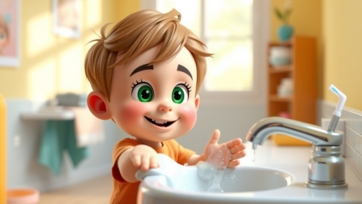
Teaching children good hygiene habits early sets the foundation for a healthy lifestyle. Kids who understand personal hygiene are less likely to get sick, can prevent the spread of germs, and develop self-confidence. Parents and caregivers play a crucial role in guiding children to practice daily habits that promote cleanliness and wellness. Why Good Hygiene is Important for Kids: Good hygiene helps prevent illnesses like colds, flu, skin infections, and stomach problems. It also teaches children responsibility, discipline, and the importance of self-care. When children adopt proper hygiene routines, they not only protect themselves but also contribute to a healthier environment at home and school. The Role of Parents and Caregivers: Parents can make hygiene fun by using colorful soaps, kid-friendly toothbrushes, and reward charts. Modeling good behavior, like washing hands before meals and brushing teeth twice a day, encourages children to follow suit. Daily Hygiene Practices Kids Should Follow: Children should learn and practice daily hygiene routines from an early age. Consistency helps these habits become a part of their lifestyle. Handwashing: Handwashing is the most effective way to prevent germs. Teach kids to wash hands: Before eating or touching food After using the toilet After playing outside or with pets Using soap and warm water for at least 20 seconds ensures thorough cleaning. Fun songs or timers can make handwashing enjoyable. Brushing and Dental Care: Proper dental hygiene is crucial for healthy teeth and gums. Kids should: Brush teeth at least twice daily Use fluoride toothpaste Floss once a day Visit the dentist regularly Brushing should last for 2 minutes, covering all areas of the mouth. Let children pick fun toothbrushes or flavored toothpaste to make the routine engaging. Bathing and Skin Care: Daily baths remove dirt, sweat, and germs. Use gentle soaps suitable for children. Teach kids to: Wash underarms, behind ears, and between toes Dry themselves properly to prevent fungal infections Apply moisturizer if skin is dry Bathing routines not only keep kids clean but also boost their confidence and comfort. Hair Care: Regular hair washing prevents lice, dandruff, and scalp infections. For kids: Shampoo hair 2–3 times per week (or as needed) Comb hair daily to prevent tangles Keep hair neat and tidy Long hair should be tied back during play or school to avoid dirt accumulation. Nail Care: Dirty or long nails can harbor bacteria. Teach children to: Trim nails regularly Wash hands thoroughly after nail trimming Avoid biting nails This reduces the risk of infections and promotes neatness. Teaching Kids Hygiene at School and Outdoors: Good hygiene is not only for home but also for school and outdoor activities. Children should: Carry a small hand sanitizer Avoid sharing personal items like towels, combs, and water bottles Cover mouth while coughing or sneezing Reinforcing these habits in school ensures children remain healthy and responsible in public spaces. Healthy Habits for Preventing Germ Spread: Promoting healthy habits reduces the chance of spreading infections among kids. These include: Regularly washing hands Avoiding touching the face with unwashed hands Sneezing or coughing into elbows or tissues Keeping personal items separate The Importance of Routine: Consistency is key. Establishing a daily hygiene routine helps children remember and perform tasks without reminders. Morning and bedtime routines should include handwashing, brushing, bathing, and dressing neatly. Encouraging Kids with Fun and Rewards: Children respond well to encouragement. Use charts, stickers, or small rewards to make hygiene exciting. Praise and positive reinforcement build long-term habits and make children proud of their cleanliness. Using Educational Tools: Books, videos, and interactive games about germs and cleanliness can educate children about hygiene in an engaging way. Schools and parents can collaborate to teach these lessons effectively. Conclusion: Teaching kids good hygiene is essential for their health, confidence, and social development. By incorporating daily routines, fun activities, and positive reinforcement, children can develop lifelong habits that protect them from illnesses and promote overall wellness. Healthy habits learned in childhood become the foundation for a healthy adult life.
Respect Everyone – Moral Story for Children
In a vibrant village called Harmony Town, there lived a curious boy named Aarav. Aarav was smart and playful, but sometimes he didn’t treat everyone with respect. He would tease younger children, ignore elders’ advice, and laugh at animals. This kids moral story teaches children the importance of respecting everyone — young or old, big or small — and how respect creates harmony and happiness. Aarav and the Village Elder: One sunny morning, Aarav was running through the village square when he bumped into Grandfather Ramesh, a wise elder. Instead of saying sorry, Aarav laughed and ran away. Grandfather Ramesh sighed and said, “Aarav, respecting everyone, even in small ways, shows a true heart.” Aarav shrugged, thinking he didn’t need to listen. The Lesson from the Lost Lamb: The next day, Aarav was walking near the meadow and saw a lost lamb crying. He wanted to play with it but ignored its bleating. The lamb wandered into the riverbank and got stuck. Aarav realized that if he hadn’t ignored the lamb, it wouldn’t have been in trouble. He quickly ran to help and saved it. Understanding Respect: He thought, “Respect is not just about people; it’s about caring for everyone, even animals.” Helping Friends and Neighbors: A few days later, the village organized a fair. Aarav noticed that his friend Meera was struggling to carry baskets of vegetables. Remembering the lamb, Aarav immediately offered help. “Thank you, Aarav!” Meera said happily. Aarav smiled, feeling proud and happy for helping. He realized respecting and helping others felt wonderful. Grandfather Ramesh’s Advice: That evening, Grandfather Ramesh called Aarav. “Do you see, Aarav? Respect and kindness make life better. When you respect everyone, people trust and love you.” Aarav nodded. “I understand now. I will respect everyone, no matter who they are.” Respect in Everyday Life: Aarav started to: Greet elders politely Listen carefully to friends Help animals and younger children Value everyone’s feelings Soon, Aarav became a role model in Harmony Town. Other children followed his example, and the village grew happier and more peaceful. Why Respect Matters: This story teaches children: Respect builds trust and love Treating everyone fairly creates harmony Small acts of respect can make big differences Respecting others also improves your own character True Wisdom: Respect is the foundation of friendship, trust, and happiness. Moral of the Story: Respect Everyone shows that kindness, humility, and respect bring happiness, trust, and strong relationships in life. Why Kids Should Read This Story: This children’s moral story helps kids: Understand the importance of respecting everyone Learn how small acts of kindness and respect matter Develop empathy, humility, and good behavior Apply respect in everyday life with family, friends, and community Parents and teachers can use this story as a bedtime tale or classroom moral lesson to teach children the value of respect. Final Message: 🌟 Always be kind, listen carefully, and respect everyone — it makes the world a happier place. 🌟