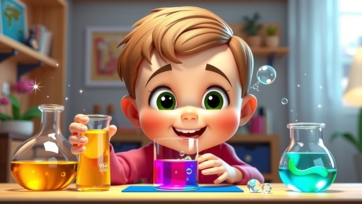
Chemistry is the science that explains how different substances react, mix, and change. For beginners, chemistry can seem confusing, but with easy and safe experiments, learning becomes fun and exciting. Simple chemistry experiments help children and beginners understand basic concepts using everyday household items. In this article, we will explore easy chemistry experiments for beginners that are perfect for kids and anyone starting their science journey.
Why Chemistry Experiments Are Good for Beginners:
Chemistry experiments help beginners learn by observing real reactions instead of just reading about them.
Chemistry experiments help beginners:
-
Understand basic chemical reactions
-
Improve observation and thinking skills
-
Learn science through hands-on activities
-
Build confidence and curiosity
-
Enjoy learning in a fun way
Starting with simple experiments creates a strong foundation for future science learning.
Basic Chemistry Concepts Explained Simply:
Before trying experiments, beginners should understand a few simple ideas.
Chemical Reaction:
A chemical reaction happens when substances mix and change into something new.
Acids and Bases:
Acids and bases are different types of substances that react with each other.
Solids, Liquids, and Gases:
Matter exists in three main forms, and chemistry helps us understand how they change.
Safety in Chemistry:
Using safe materials and adult supervision is very important for beginners.
Easy and Safe Chemistry Experiments for Beginners at Home:
1. Baking Soda and Vinegar Reaction:
Materials Needed:
Baking soda, vinegar, cup
How to Do It:
Put baking soda into a cup and slowly add vinegar.
What You Learn:
This shows a chemical reaction that produces carbon dioxide gas, causing bubbles and fizzing.
2. Color-Changing Cabbage Water Experiment:
Materials Needed:
Red cabbage, hot water, cups, vinegar, baking soda
How to Do It:
Soak cabbage in hot water to make purple liquid. Add vinegar to one cup and baking soda to another.
What You Learn:
This experiment shows how acids and bases change color.
3. Dissolving Sugar in Water:
Materials Needed:
Water, sugar, spoon
How to Do It:
Add sugar to water and stir until it disappears.
What You Learn:
This teaches how substances dissolve to form solutions.
4. Homemade Fizzy Drink Experiment:
Materials Needed:
Water, baking soda, lemon juice
How to Do It:
Mix baking soda with lemon juice in water.
What You Learn:
Acids and bases react to produce gas, creating fizz.
Fun Chemistry Experiments Using Household Items:
5. Invisible Ink Experiment:
Materials Needed:
Lemon juice, cotton swab, paper, heat source
How to Do It:
Write with lemon juice and heat the paper gently.
What You Learn:
Heat causes a chemical change, making the writing visible.
6. Growing Sugar Crystals:
Materials Needed:
Sugar, hot water, jar, string
How to Do It:
Dissolve sugar in hot water and let it cool slowly.
What You Learn:
This shows crystal formation and evaporation.
7. Mixing Oil and Water Experiment:
Materials Needed:
Oil, water, clear glass
How to Do It:
Mix oil and water and observe.
What You Learn:
Some liquids do not mix, showing different densities.
Simple Chemistry Experiments That Teach Gas and Air:
8. Balloon Inflation Without Blowing:
Materials Needed:
Balloon, bottle, baking soda, vinegar
How to Do It:
Put baking soda in a balloon and vinegar in a bottle. Attach the balloon and let them mix.
What You Learn:
Gas produced in a reaction can inflate objects.
9. Floating Soap Bubbles Experiment:
Materials Needed:
Soap solution, straw
How to Do It:
Blow bubbles and observe how they float.
What You Learn:
This teaches about gases trapped inside liquids.
Chemistry Experiments with Color and Change:
10. Magic Milk Experiment:
Materials Needed:
Milk, food coloring, dish soap
How to Do It:
Add soap to colored milk and watch patterns form.
What You Learn:
Soap reacts with fat molecules, showing chemical movement.
11. Rust Formation Experiment:
Materials Needed:
Iron nail, water
How to Do It:
Place the nail in water and wait a few days.
What You Learn:
This shows oxidation and chemical change over time.
Safety Tips for Beginner Chemistry Experiments:
-
Always have adult supervision
-
Use only safe household items
-
Never taste chemicals
-
Wash hands after experiments
-
Read instructions carefully
Safety makes learning chemistry enjoyable and worry-free.
How Parents and Teachers Can Help Beginners Learn Chemistry:
Encourage Curiosity:
Let beginners ask questions and explore.
Explain Results Simply:
Use easy words to explain what happened.
Repeat Experiments:
Repeating helps understanding and confidence.
Connect to Daily Life:
Explain how chemistry works in cooking, cleaning, and nature.
What Beginners Learn from Chemistry Experiments:
Through easy chemistry experiments, beginners learn:
-
How substances react
-
Why colors change
-
How gases form
-
Observation and thinking skills
These experiments turn beginners into young scientists.
Conclusion:
Chemistry does not have to be difficult for beginners. With simple, safe, and fun experiments, anyone can learn basic chemistry concepts at home. These easy chemistry experiments for beginners help build curiosity, confidence, and a love for science. By learning through hands-on activities, beginners can enjoy chemistry and understand how it works in everyday life.