Simple DIY Projects for Kids

DIY (Do It Yourself) projects are a fun and hands-on way for children to learn, explore creativity, and develop problem-solving skills. With simple materials at home, kids can create amazing projects while having fun and learning new concepts. In this article, we will explore simple DIY projects for kids that are engaging, safe, and educational.

Why DIY Projects Are Important for Kids:

DIY projects help children:

  • Boost creativity and imagination

  • Improve fine motor skills and hand-eye coordination

  • Learn patience, planning, and problem-solving

  • Develop confidence by completing projects

  • Foster curiosity and a love for learning

DIY activities combine play with learning, making them both educational and enjoyable.

Simple DIY Projects Kids Can Try at Home:

1. Paper Rocket Launcher:

  • Make a rocket from paper and use a straw to launch it.

What Kids Learn: Science concepts like air pressure and motion.

2. Bottle Planters:

  • Use empty bottles to plant seeds and watch them grow.

What Kids Learn: Responsibility, plant growth, and recycling.

3. Popsicle Stick Crafts:

  • Build houses, frames, or puppets using popsicle sticks and glue.

What Kids Learn: Creativity, spatial awareness, and fine motor skills.

4. DIY Slime:

  • Make colorful slime using glue, baking soda, and contact solution.

What Kids Learn: Simple chemistry, sensory play, and experimentation.

5. Egg Carton Animals:

  • Transform egg cartons into caterpillars, turtles, or other fun animals.

What Kids Learn: Recycling, imagination, and artistic skills.

Fun DIY Activities Using Everyday Items:

1. Button Art:

  • Create pictures or designs by gluing colorful buttons on paper.

What Kids Learn: Patterns, colors, and fine motor coordination.

2. Paper Plate Crafts:

  • Make animals, masks, or flowers using paper plates, paints, and markers.

What Kids Learn: Creativity and imaginative play.

3. Handmade Bookmarks:

  • Decorate bookmarks with stickers, colors, or drawings.

What Kids Learn: Artistic skills and encourages reading.

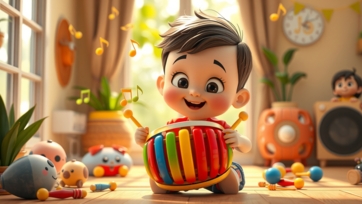
4. DIY Musical Instruments:

  • Make drums, shakers, or guitars from cans, bottles, or cardboard.

What Kids Learn: Music concepts, rhythm, and coordination.

How Parents and Teachers Can Encourage DIY Projects:

  • Provide Safe Materials: Use child-friendly scissors, glue, and paints.

  • Create a Crafting Space: Keep a designated area for DIY activities.

  • Encourage Experimentation: Let children try new ideas and learn from mistakes.

  • Participate Together: Work on projects as a family or in class.

  • Display Their Creations: Celebrate efforts by showing projects at home or school.

Guidance and support make DIY projects enjoyable and help children develop a sense of achievement.

Benefits of DIY Projects for Kids:

Children who engage in DIY projects develop:

  • Creativity and imaginative thinking

  • Fine motor and coordination skills

  • Problem-solving and critical thinking abilities

  • Confidence and independence

  • Interest in science, art, and practical skills

DIY projects make learning interactive and help children explore the world around them in a fun way.

Conclusion:

Simple DIY projects for kids are a perfect way to combine fun, learning, and creativity. Through hands-on activities, crafts, and experiments, children can express themselves, develop new skills, and gain confidence in their abilities. Encouraging DIY projects at home or school nurtures curiosity, imagination, and lifelong learning.
Advertisement
The Magic of Magnets Explained for Children
Magnets are one of the most fascinating and fun objects for children to explore. They can pull, push, and even make objects float in mid-air! Learning about magnets helps kids understand the invisible forces in nature and introduces them to basic physics concepts. In this article, we will explore the magic of magnets explained for children in a simple and engaging way. What Are Magnets and Why Are They Special: Magnets are objects that can attract or repel certain metals, like iron, nickel, and cobalt. What makes them special is their magnetic force, which can work without touching an object directly. Learning about magnets helps children: Understand invisible forces in nature Develop observation and problem-solving skills Explore science through fun experiments Learn about everyday uses of magnets Spark curiosity and creativity How Magnets Work: Magnets have two ends called poles: the north pole and the south pole. Magnetic Poles: North Pole: Attracts the south pole of another magnet South Pole: Attracts the north pole of another magnet Like Poles Repel: North repels north, south repels south This simple rule helps kids understand how magnets push and pull. Magnetic Force: The invisible force that pulls or pushes objects is called magnetic force. It works even through materials like paper, plastic, or glass. Types of Magnets Explained for Kids: 1. Bar Magnets: Shaped like a rectangle Has a north and south pole at the ends Commonly used in school experiments 2. Horseshoe Magnets: Shaped like a “U” Strong magnetic force at the tips Often used to pick up metal objects 3. Disc Magnets: Flat and circular Used in toys, speakers, and electronics 4. Electromagnets: Made by wrapping a wire around iron and passing electricity through it Can be turned on and off Used in machines, cranes, and electronics Fun Facts About Magnets for Kids: Earth itself is a giant magnet! Magnets can make metal objects float using magnetic repulsion. Some animals, like birds and turtles, use Earth’s magnetic field to navigate. Magnets are used in compasses to show directions. Magnets are used in many devices like refrigerators, speakers, and trains. Simple Magnet Experiments for Children: 1. Magnet and Paper Clips: Materials: Magnet, paper clips Experiment: Move the magnet close to paper clips and see them jump toward it. What Kids Learn: Magnetic attraction. 2. Floating Magnet Trick: Materials: Two bar magnets, small tube Experiment: Place one magnet above the other with like poles facing and observe floating. What Kids Learn: Magnetic repulsion. 3. Magnetic Sorting: Materials: Magnet, various small objects (metal and non-metal) Experiment: Sort objects that are attracted to the magnet and those that are not. What Kids Learn: Which materials are magnetic. 4. Compass Activity: Materials: Needle, magnet, cork, water Experiment: Magnetize the needle and float it on water to see it point north. What Kids Learn: How magnets help in navigation. How Magnets Are Used in Daily Life: Refrigerator Magnets: Hold notes and pictures Electronics: Speakers, microphones, and motors use magnets Transportation: Maglev trains use magnets to float above tracks Medical Tools: MRI machines use strong magnets to see inside the body Toys: Many children’s toys use magnets for fun experiments Tips for Parents and Teachers to Teach About Magnets: Use hands-on experiments to demonstrate attraction and repulsion Encourage kids to explore with safe household magnets Relate magnets to everyday objects like fridge magnets or compasses Ask children to predict what will happen before experiments Use drawing and labeling activities to explain poles and magnetic fields Interactive learning makes the magic of magnets exciting and memorable for children. What Kids Learn from Exploring Magnets: By learning about magnets, children develop: Understanding of invisible forces and physics Observation and problem-solving skills Creativity through experiments and tricks Knowledge of everyday science applications Curiosity and love for learning Magnets make science fun, hands-on, and magical for kids. Conclusion: Magnets are more than just toys—they are magical tools that show how invisible forces work in nature. From attracting paper clips to floating above each other, magnets demonstrate fascinating physics concepts in a fun and simple way. By exploring the magic of magnets explained for children, kids can discover the wonders of science, develop curiosity, and enjoy learning through exciting experiments and activities.
Learn Shapes with Fun Examples
Learning shapes is one of the first steps in understanding the world for children. Shapes are all around us—in toys, buildings, food, and nature. Recognizing shapes helps kids with math, drawing, problem-solving, and creativity. With fun examples and activities, learning shapes can be exciting and easy! Why Learning Shapes is Important: Shapes are more than just circles and squares. They help children: Recognize objects: Identifying shapes in the environment. Develop math skills: Shapes are the foundation for geometry. Improve creativity: Drawing and designing with shapes is fun. Solve problems: Understanding patterns, puzzles, and organization. By learning shapes early, children gain confidence and curiosity in learning new concepts. Common Shapes and How to Recognize Them: Circle: A circle is round with no corners. Examples: Clock, pizza, wheel, ball. Fun Activity: Draw different circles using cups, lids, or hoops. Count how many circular objects are in your room. Square: A square has 4 equal sides and 4 corners. Examples: Window, chessboard, notebook. Fun Activity: Cut out square shapes from colored paper and make a collage. Ask children to find squares around the house. Rectangle: A rectangle has 4 sides, with opposite sides equal. Examples: Door, smartphone, table. Fun Activity: Arrange books or boxes in rectangular shapes. Count how many rectangles are in the classroom. Triangle: A triangle has 3 sides and 3 corners. Examples: Pyramid, traffic sign, slice of pizza. Fun Activity: Draw triangles of different sizes. Make a triangle collage using straws or sticks. Other Shapes: Oval: Egg, balloon. Star: Star-shaped cookies, night sky stars. Heart: Heart-shaped stickers, cards. Tip: Use colorful objects to make learning shapes more fun and memorable. Fun Shape Activities for Kids: Shape Hunt: Go on a shape hunt at home or outside. Look for circles, squares, rectangles, and triangles. Count how many shapes you can find. Shape Drawing: Draw different shapes on paper and color them. Connect shapes to make animals, houses, or trees. Shape Sorting: Use toys, blocks, or buttons. Sort them by shapes: all circles together, all squares together. This helps children recognize patterns and organize objects. Story Example: Learning Shapes in Nature: Once upon a time, a little rabbit wanted to build a home. He found round stones (circle), square blocks (square), and triangular leaves (triangle). By using different shapes, he built a colorful and safe home. Lesson: Shapes are everywhere, and recognizing them helps us understand and create. Tips for Easy Learning: Use Real Objects: Toys, blocks, and everyday items help recognize shapes. Practice Drawing: Drawing shapes daily improves memory. Play Games: Shape puzzles, sorting games, and quizzes make learning fun. Encourage Observation: Ask kids to spot shapes in nature, buildings, and rooms. Conclusion: Learning shapes is fun, interactive, and useful for children. With games, stories, and colorful objects, kids can recognize, draw, and use shapes creatively. Shapes are everywhere in the world, and understanding them early helps children in math, art, and daily life. Exploring shapes is the first step toward a fun journey of learning!
Teaching Children Gratitude in Everyday Life
Gratitude is the practice of appreciating the good things in life and expressing thanks. Teaching children gratitude helps them develop a positive mindset, empathy, and stronger relationships. In this article, we will explore teaching children gratitude in everyday life with simple tips, activities, and examples that make thankfulness a fun and natural habit. Why Gratitude Is Important for Kids: Gratitude is more than saying “thank you.” It helps children: Develop a positive and happy attitude Build empathy and understanding toward others Strengthen relationships with family, friends, and teachers Reduce selfishness and increase generosity Improve emotional health and resilience Grateful children are more aware of the blessings around them and learn to value both small and big things in life. Ways to Teach Gratitude in Everyday Life: 1. Model Gratitude: Children learn best by observing adults. Say thank you, show appreciation, and express gratitude in daily life. 2. Encourage Saying Thank You: Remind children to use polite words for kindness, gifts, or help received. 3. Discuss Daily Blessings: Talk about simple things like food, friends, toys, or a sunny day, and encourage children to notice and appreciate them. 4. Share Stories About Gratitude: Read or tell stories where characters show thankfulness and its positive effects. 5. Create Gratitude Rituals: Incorporate habits like saying thanks before meals, bedtime gratitude reflections, or sharing what they are thankful for each day. Fun Activities to Teach Gratitude: 1. Gratitude Jar: Children write notes about things they are thankful for and place them in a jar. Review the notes weekly as a family. What Kids Learn: Recognizing and appreciating daily blessings. 2. Thank You Cards: Encourage children to make cards for family, friends, or teachers. What Kids Learn: Expressing gratitude creatively and personally. 3. Daily Reflection Time: Take a few minutes each day to ask, “What made you happy today?” What Kids Learn: Mindfulness and noticing positive moments. 4. Acts of Kindness: Encourage children to do something nice for others, like helping a sibling or neighbor. What Kids Learn: Gratitude grows when paired with giving and sharing. How Parents and Teachers Can Encourage Gratitude: Praise Gratitude: Acknowledge when children express thanks or show appreciation. Involve Them in Helping Others: Volunteering or simple acts of kindness teach empathy and thankfulness. Talk About Feelings: Help children understand how gratitude affects their own happiness and the happiness of others. Use Stories and Role Models: Share examples of grateful people or characters. Make Gratitude a Habit: Encourage daily expressions of thanks in routine situations. Consistent practice helps children adopt gratitude naturally as part of their personality. Benefits of Learning Gratitude for Children: Children who practice gratitude develop: A positive mindset and happier outlook Stronger social and family relationships Empathy and understanding toward others Emotional resilience and patience A sense of generosity and kindness Gratitude shapes children into thoughtful, caring, and emotionally balanced individuals. Conclusion: Teaching children gratitude in everyday life is a simple yet powerful way to nurture happiness, empathy, and strong relationships. Through stories, activities, daily habits, and role modeling, children can learn how to appreciate the world around them and express thanks. Gratitude helps kids grow into kind, thoughtful, and emotionally intelligent individuals, ready to lead a positive and meaningful life.
Fun Facts About Birds for Kids
Birds are some of the most colorful, fascinating, and amazing creatures on our planet. They can fly, sing, and build nests, and each species has its own unique habits and skills. Learning about birds helps children understand nature, science, and the environment, while having fun with interesting facts and activities. Why Birds Are Amazing: Birds have feathers, beaks, and wings, which help them fly, eat, and protect themselves. They build nests to keep their eggs safe. Birds are found all over the world—from tropical rainforests to icy polar regions. Their songs, colors, and behaviors make them fascinating to observe. Interesting Bird Facts: 1. Birds Can Fly (Most of Them): Most birds can fly using their strong wings and light bodies. Some birds, like ostriches and penguins, cannot fly but are excellent runners or swimmers. Fun Example: Imagine lifting a backpack with one hand—that’s similar to how birds stay lightweight for flying! 2. Birds Have Different Beaks: Seed-eating birds have short, strong beaks. Hummingbirds have long, thin beaks for sipping nectar. Eagles and hawks have hooked beaks for tearing meat. Activity: Children can match different toy or paper beaks to the correct bird type. 3. Birds Lay Eggs: Birds lay eggs and care for them until they hatch. Some birds, like cuckoos, lay eggs in other birds’ nests. Fun Game: Use colored paper to make eggs and hide them like a nest hunt for kids to find. 4. Birds Can Sing Beautifully: Birds sing to communicate, attract mates, or warn others. Nightingales, robins, and canaries are known for melodious songs. Activity: Kids can imitate bird songs and create a mini bird choir. 5. Birds Have Amazing Vision: Eagles can see up to 8 times better than humans. Some birds can detect ultraviolet colors that humans cannot see. Fun Fact: Imagine spotting a tiny insect from a tree top—that’s what birds can do! Fun Stories About Birds: Story 1: The Brave Little Sparrow: A sparrow noticed a storm coming while flying. She quickly warned other birds and helped them find shelter. Lesson: Even the smallest birds can be brave and helpful. Story 2: The Generous Parrot: A parrot found some fruits in the forest and shared them with other birds and animals. The forest friends were happy and thanked the parrot for being kind and generous. Lesson: Sharing and caring make you a friend to all. Fun Bird Activities for Kids: 1. Bird Watching: Use binoculars or look through windows to observe birds in your area. Children can note colors, sizes, and sounds of birds they see. 2. Make a Bird Feeder: Use peanut butter, seeds, and a small container to attract birds. Kids can watch which birds visit and learn about their habits. 3. Bird Art and Craft: Draw or paint birds with bright colors. Make paper birds with feathers or origami birds to explore creativity. 4. Sing Like Birds: Encourage children to create bird songs using their voices or simple instruments. Helps develop listening skills, rhythm, and fun learning. Interesting Comparisons: Birds flap their wings to move and stay balanced, like kids swinging their arms while running. Nest building shows patience and creativity, similar to children building sandcastles or Lego houses. Bird songs teach communication skills, helping kids learn the importance of expressing themselves. Tips to Learn About Birds: Observe Nature: Watch birds in gardens, parks, or forests. Read Books or Watch Videos: Learn about bird species, habits, and habitats. Interactive Games: Use feathers, toy birds, or paper crafts to understand bird behavior. Teach Responsibility: Show how to feed birds safely and protect them. Conclusion: Birds are fascinating creatures that teach children about nature, creativity, and responsibility. Their colors, songs, flying skills, and behaviors make them amazing to watch and learn about. With stories, crafts, and observation activities, children can enjoy learning about birds while developing curiosity, empathy, and a love for wildlife.
Respect Everyone – Moral Story for Children
In a vibrant village called Harmony Town, there lived a curious boy named Aarav. Aarav was smart and playful, but sometimes he didn’t treat everyone with respect. He would tease younger children, ignore elders’ advice, and laugh at animals. This kids moral story teaches children the importance of respecting everyone — young or old, big or small — and how respect creates harmony and happiness. Aarav and the Village Elder: One sunny morning, Aarav was running through the village square when he bumped into Grandfather Ramesh, a wise elder. Instead of saying sorry, Aarav laughed and ran away. Grandfather Ramesh sighed and said, “Aarav, respecting everyone, even in small ways, shows a true heart.” Aarav shrugged, thinking he didn’t need to listen. The Lesson from the Lost Lamb: The next day, Aarav was walking near the meadow and saw a lost lamb crying. He wanted to play with it but ignored its bleating. The lamb wandered into the riverbank and got stuck. Aarav realized that if he hadn’t ignored the lamb, it wouldn’t have been in trouble. He quickly ran to help and saved it. Understanding Respect: He thought, “Respect is not just about people; it’s about caring for everyone, even animals.” Helping Friends and Neighbors: A few days later, the village organized a fair. Aarav noticed that his friend Meera was struggling to carry baskets of vegetables. Remembering the lamb, Aarav immediately offered help. “Thank you, Aarav!” Meera said happily. Aarav smiled, feeling proud and happy for helping. He realized respecting and helping others felt wonderful. Grandfather Ramesh’s Advice: That evening, Grandfather Ramesh called Aarav. “Do you see, Aarav? Respect and kindness make life better. When you respect everyone, people trust and love you.” Aarav nodded. “I understand now. I will respect everyone, no matter who they are.” Respect in Everyday Life: Aarav started to: Greet elders politely Listen carefully to friends Help animals and younger children Value everyone’s feelings Soon, Aarav became a role model in Harmony Town. Other children followed his example, and the village grew happier and more peaceful. Why Respect Matters: This story teaches children: Respect builds trust and love Treating everyone fairly creates harmony Small acts of respect can make big differences Respecting others also improves your own character True Wisdom: Respect is the foundation of friendship, trust, and happiness. Moral of the Story: Respect Everyone shows that kindness, humility, and respect bring happiness, trust, and strong relationships in life. Why Kids Should Read This Story: This children’s moral story helps kids: Understand the importance of respecting everyone Learn how small acts of kindness and respect matter Develop empathy, humility, and good behavior Apply respect in everyday life with family, friends, and community Parents and teachers can use this story as a bedtime tale or classroom moral lesson to teach children the value of respect. Final Message: 🌟 Always be kind, listen carefully, and respect everyone — it makes the world a happier place. 🌟
Magical Adventure Stories for Children
Magical adventure stories open the door to imagination, creativity, and excitement for children. These stories take young readers to enchanted lands filled with brave heroes, magical creatures, hidden treasures, and valuable life lessons. In this article, we will explore magical adventure stories for children, why they are important, and how they help kids learn while enjoying wonderful tales. Why Magical Adventure Stories Are Important for Children: Magical adventure stories help children: Develop imagination and creativity Improve reading and listening skills Learn moral values like courage, kindness, and honesty Build curiosity and love for books Escape into fun and positive fantasy worlds Such stories make learning enjoyable and inspire children to think beyond limits. Key Elements of Magical Adventure Stories: 1. Magical Worlds: Stories often take place in enchanted forests, castles, or magical kingdoms where anything is possible. 2. Brave Heroes and Heroines: Children meet young heroes who face challenges with courage and intelligence. 3. Magical Creatures: Fairies, dragons, talking animals, and wizards add excitement and wonder. 4. Challenges and Quests: Characters go on adventures to find treasures, save kingdoms, or help others. 5. Happy or Meaningful Endings: Most stories end with lessons about good behavior and positive values. Popular Types of Magical Adventure Stories for Kids: 1. Fairy Tale Adventures: Stories with fairies, spells, and magical objects that teach kindness and hope. 2. Animal Fantasy Adventures: Talking animals go on exciting journeys and teach teamwork and friendship. 3. Kingdom and Castle Stories: Princes, princesses, and knights solve problems and protect their lands. 4. Journey-Based Adventures: Children follow characters traveling through mysterious lands full of surprises. How Magical Adventure Stories Help Child Development: Improves Language Skills: Reading stories helps children learn new words and sentence structures. Builds Emotional Understanding: Kids learn to understand feelings like fear, bravery, and happiness. Encourages Problem-Solving: Characters face problems and find solutions, inspiring logical thinking. Boosts Confidence and Hope: Seeing heroes succeed encourages children to believe in themselves. Fun Ways to Enjoy Magical Adventure Stories: 1. Story Reading Time: Read stories aloud with expressions and voices for characters. 2. Storytelling Sessions: Encourage kids to create their own magical adventure stories. 3. Drawing Story Characters: Let children draw their favorite magical creatures or heroes. 4. Role Play and Acting: Kids can act as heroes, fairies, or dragons to relive the adventure. Tips for Parents and Teachers: Choose age-appropriate magical stories Discuss lessons learned after reading Encourage imagination without fear Balance fantasy stories with real-life learning Make reading a daily habit Positive guidance helps children enjoy fantasy while learning valuable lessons. Benefits of Magical Adventure Stories for Children: Children who enjoy magical adventure stories gain: Strong imagination and creativity Better reading and communication skills Moral understanding and empathy Confidence and curiosity Love for books and storytelling Stories shape young minds in a gentle and joyful way. Conclusion: Magical adventure stories for children are more than just fun tales. They inspire imagination, teach important life lessons, and make reading a joyful habit. Through enchanted worlds, brave heroes, and exciting journeys, children learn to dream big, stay hopeful, and enjoy the magic of storytelling that stays with them forever.
Fun Science Facts Every Kid Should Know
Science is all around us! From the tiniest bugs to the vast universe, there are countless amazing facts that make the world fun and exciting. Learning science doesn’t have to be boring — it can be magical and full of surprises. This kids science story shares fun and interesting science facts that every child should know, sparking curiosity and love for learning. Amazing Animal Facts Octopuses have three hearts and blue blood! A group of flamingos is called a “flamboyance.” Butterflies taste with their feet to find food. Sharks existed before trees on Earth. Animals are full of surprises, and each one has unique features that make them special. Interesting Space Facts The Sun is a star and is so big that one million Earths could fit inside it! Venus spins backward compared to other planets. Saturn’s rings are made of ice, rocks, and dust. A day on Jupiter lasts only 10 hours! Space is full of wonders, and learning about planets and stars is like exploring a magical universe. Cool Earth Facts Water covers 71% of Earth’s surface. Ants can lift 50 times their body weight. Lightning is hotter than the Sun’s surface. Rainbows are formed when sunlight passes through raindrops. Our planet is amazing, with incredible animals, weather, and natural phenomena to discover. Fun Physics and Chemistry Facts Bananas are naturally radioactive because they contain potassium. A single teaspoon of honey represents the work of 12 bees in their lifetime. Sound travels faster in water than in air. Magnets can pass through some metals without touching them. Science is everywhere, even in the small things we see every day. Simple Experiments to Try at Home Kids can explore science hands-on with these simple experiments: Make a volcano with baking soda and vinegar. Grow a bean sprout in a jar to watch it grow. Float a paper boat in water and observe currents. Use a magnifying glass to look at tiny details in leaves, insects, or rocks. These activities make science fun, interactive, and easy to understand. Why Science Is Fun Science helps children: Understand how the world works Encourage curiosity and exploration Learn through observation and experiments Discover exciting facts about animals, space, Earth, and more The more kids explore science, the more they realize that learning can be fun and magical. Moral of the Story Science is everywhere, and fun facts make learning exciting. Curiosity, observation, and experimentation help children discover the wonders of the world. Why Kids Should Read This Story This fun science story for kids helps children: Learn amazing facts about animals, space, Earth, and physics Develop curiosity and critical thinking Explore hands-on experiments Enjoy science as a fun and exciting adventure Parents and teachers can use this story as a bedtime tale or classroom lesson to encourage scientific curiosity. Final Message 🔬 Science is full of surprises! Explore, ask questions, and have fun discovering the amazing facts about our world. 🔬
Learn About Trees and Plants
Trees and plants are vital to life on Earth. They provide oxygen, food, shelter, and beauty, and they play an essential role in the environment. Teaching children about trees and plants helps them appreciate nature, develop curiosity, and learn about science in a fun way. In this article, we will explore learn about trees and plants with interesting facts, activities, and simple explanations for kids. Why Learning About Trees and Plants Is Important for Kids: Understanding trees and plants helps children: Appreciate nature and the environment Learn how plants grow and survive Develop curiosity and observation skills Understand the importance of clean air and food Practice responsibility through gardening or plant care Learning about plants encourages a lifelong love for nature and science. Parts of a Plant and Their Functions: 1. Roots: Roots anchor the plant in the soil and absorb water and nutrients. 2. Stem: The stem supports the plant and carries water and nutrients between roots and leaves. 3. Leaves: Leaves make food for the plant through photosynthesis. 4. Flowers: Flowers help plants reproduce by making seeds. 5. Fruits and Seeds: Fruits protect seeds and help plants grow in new locations. Different Types of Trees and Plants: 1. Fruit Trees: Produce fruits like apples, oranges, and mangoes. 2. Flowering Plants: Produce colorful flowers like roses, sunflowers, and lilies. 3. Evergreen Trees: Keep their leaves all year round, like pine and cedar trees. 4. Deciduous Trees: Shed leaves in autumn, like oak and maple trees. 5. Herbs and Shrubs: Small plants like basil, mint, and hibiscus are used for cooking, medicine, or decoration. Fun Facts About Trees and Plants for Kids: Trees produce oxygen that we breathe. Some trees, like the baobab, live for thousands of years. Plants need sunlight, water, air, and soil to grow. Many plants provide food, medicine, and materials for humans. Bees and butterflies help flowers grow by pollination. Fun Activities to Learn About Trees and Plants: 1. Plant a Seed: Give children seeds to plant in soil and watch them grow. What Kids Learn: How plants grow and the importance of care and patience. 2. Leaf Collection and Identification: Collect different leaves and identify the types of trees they come from. What Kids Learn: Observation and classification skills. 3. Flower Observation: Study colors, shapes, and smells of different flowers. What Kids Learn: Appreciation of diversity in nature. 4. Gardening Together: Involve children in watering, weeding, and harvesting. What Kids Learn: Responsibility, teamwork, and the joy of growing plants. How Parents and Teachers Can Teach About Trees and Plants: Go on Nature Walks: Observe trees, flowers, and plants outdoors. Use Books and Videos: Show educational material about plant life. Encourage Questions: Let children ask and explore answers about nature. Provide Hands-On Experience: Gardening, planting, and caring for plants teach practical lessons. Discuss Environmental Importance: Teach children about clean air, conservation, and protecting plants. Benefits of Learning About Trees and Plants for Kids: Children who learn about trees and plants develop: Knowledge of science and biology basics Observation and analytical skills Appreciation for nature and the environment Responsibility and care for living things Curiosity and creativity through exploration Understanding plants connects children to the natural world and helps them grow into environmentally aware individuals. Conclusion: Learning about trees and plants is an exciting way to teach children about nature, science, and responsibility. Through hands-on activities, observation, and fun facts, kids can explore how plants grow, their importance, and the role they play in our lives. Encouraging children to care for plants helps develop curiosity, empathy, and a love for the environment that lasts a lifetime.