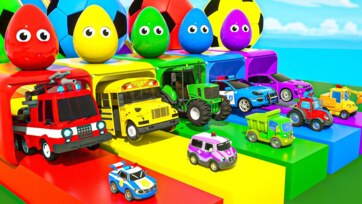
Learning colors is one of the first and most exciting steps in early childhood education. Colors help children recognize objects, express creativity, and understand the world around them. When colors are taught through play and fun activities, children learn faster and remember better. In this article, we will explore learning colors through fun activities in an easy, enjoyable, and child-friendly way.
Why Learning Colors Is Important for Kids:
Learning colors helps children:
-
Improve observation and visual skills
-
Identify and name objects easily
-
Develop language and communication skills
-
Boost creativity and imagination
-
Build a strong foundation for early learning
Colors make learning lively and help children connect ideas with real-life experiences.
Fun Activities to Teach Colors to Kids:
1. Color Sorting Games:
-
Give children different colored toys or objects and ask them to sort by color.
This activity improves color recognition and sorting skills.
2. Coloring and Painting Activities:
-
Let kids color pictures using crayons, markers, or paints.
-
Encourage them to name each color while coloring.
Art activities help children learn colors naturally while having fun.
3. Color Hunt Game:
-
Ask kids to find objects of a specific color around the house or classroom.
This game makes learning interactive and exciting.
4. Learning Colors With Fruits and Vegetables:
-
Show colorful fruits like apples, bananas, grapes, and oranges.
-
Ask kids to name their colors before eating them.
This connects learning with healthy habits.
Creative Ways to Practice Colors Daily:
1. Color Songs and Rhymes:
-
Sing simple songs about colors to make learning memorable.
Music helps children remember colors easily.
2. Building With Colorful Blocks:
-
Use blocks to build towers while naming each color used.
This improves both creativity and color identification.
3. Storytelling With Colors:
-
Create short stories where colors are characters, like a red apple or a blue sky.
Stories make abstract concepts fun and meaningful.
4. Color Matching Cards:
-
Match colored cards with objects of the same color.
This strengthens memory and recognition skills.
Role of Parents and Teachers in Teaching Colors:
Parents and teachers can help by:
-
Talking about colors during daily routines
-
Encouraging kids to name colors they see
-
Making learning playful instead of stressful
-
Praising efforts and small achievements
-
Using everyday objects to teach colors
Positive reinforcement helps children learn with confidence.
Benefits of Learning Colors Through Fun Activities:
Children who learn colors through activities develop:
-
Better focus and observation skills
-
Stronger memory and thinking ability
-
Improved language development
-
Creativity and imagination
-
Love for learning from an early age
Fun-based learning builds confidence and curiosity.
Conclusion:
Learning colors through fun activities makes early education enjoyable and effective. By using games, art, music, stories, and daily interactions, children can learn colors easily while having fun. Encouraging playful learning helps kids build a strong foundation for future education and develops a joyful attitude toward learning.