Simple Math Games for Kids at Home

Math doesn’t have to be boring—simple math games at home make learning numbers, counting, and basic operations fun and engaging. These games help children develop problem-solving skills, logical thinking, and confidence with numbers. By turning math into play, parents can make learning interactive and enjoyable.

Why Math Games are Important for Kids:

Math games provide a hands-on way to practice numbers, patterns, and operations. They improve concentration, memory, and analytical thinking. Children who enjoy learning math through games are more likely to develop confidence, curiosity, and a positive attitude toward numbers and problem-solving.

The Role of Parents and Caregivers:

Parents and caregivers play a key role by selecting age-appropriate games, guiding children through challenges, and encouraging participation. Active involvement ensures children understand concepts and enjoy learning math.

Types of Simple Math Games for Kids:

There are many types of math games that children can play at home to reinforce concepts and have fun.

Counting Games:

  • Counting Objects: Use toys, coins, or household items to practice counting.

  • Number Hunt: Hide numbers around the house and have kids find and arrange them in order.

  • Jump and Count: Children jump on numbered squares or steps while counting aloud.

Addition and Subtraction Games:

  • Math Bingo: Create bingo cards with addition or subtraction problems.

  • Dice Games: Roll dice and add or subtract the numbers rolled.

  • Flash Card Challenges: Use cards with equations for quick problem-solving practice.

Shape and Pattern Games:

  • Shape Sorting: Use blocks or cut-outs to sort shapes by size, color, or type.

  • Pattern Making: Encourage children to create repeating patterns with beads, blocks, or stickers.

  • Tangrams: Teach shapes, spatial reasoning, and problem-solving with tangram puzzles.

Interactive Math Activities at Home:

Hands-on activities make math concepts easier to understand and remember.

Cooking and Baking:

  • Measuring ingredients teaches fractions, addition, and multiplication.

  • Counting spoons, cups, or ingredients reinforces numbers.

  • Kids learn practical applications of math in daily life.

Money Games:

  • Use coins to teach counting, addition, and subtraction.

  • Set up a pretend shop where children buy and sell items using play money.

  • These activities improve financial literacy and math skills simultaneously.

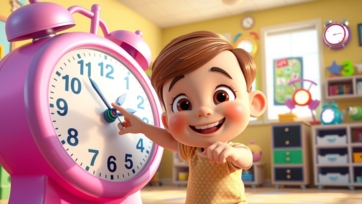
Time and Calendar Games:

  • Practice reading clocks and calculating durations.

  • Use calendars to count days, weeks, and months.

  • Incorporate daily schedules to apply math in real-life contexts.

Outdoor Math Games:

Learning math outdoors combines physical activity with cognitive skills.

  • Hopscotch Math: Draw numbered squares and ask kids to solve problems as they hop.

  • Nature Counting: Collect leaves, rocks, or flowers and practice counting, sorting, or adding.

  • Obstacle Math: Set up challenges where children solve equations before moving to the next station.

Digital Math Games:

Educational apps and online platforms provide interactive and engaging math activities.

  • Number Puzzles: Solve problems by dragging, matching, or completing sequences.

  • Math Quizzes: Interactive quizzes reinforce addition, subtraction, multiplication, and division.

  • Logic Games: Teach critical thinking, pattern recognition, and problem-solving through fun challenges.

Tips to Make Math Games Effective:

  1. Keep Sessions Short: Children learn best in 15–30 minute bursts.

  2. Use Real-Life Examples: Incorporate numbers in everyday tasks.

  3. Encourage Creativity: Let kids invent their own games or variations.

  4. Praise Effort: Reward attempts and celebrate successes to build confidence.

  5. Balance Fun and Learning: Combine digital, hands-on, and outdoor activities for variety.

Benefits of Math Games for Kids:

  • Improves numerical understanding and problem-solving skills.

  • Strengthens memory, focus, and logical thinking.

  • Makes math enjoyable and builds a positive attitude.

  • Encourages creativity and independent thinking.

  • Connects math concepts to real-life situations.

Conclusion:

Simple math games for kids at home make learning numbers, addition, subtraction, shapes, and patterns fun and interactive. Through counting games, interactive activities, outdoor challenges, and digital platforms, children develop essential skills while enjoying the process. Parents and caregivers can maximize the benefits by guiding, encouraging, and participating in games. With fun math activities, children build confidence, logical thinking, and a love for numbers that will last a lifetime.

Advertisement
Learn About the Solar System for Kids
The solar system is a fascinating place full of planets, moons, the Sun, and many other space objects. Children are naturally curious about the sky, stars, and planets they see at night. Learning about the solar system helps kids understand how Earth fits into the universe and builds interest in science from an early age. In this article, we will learn about the solar system for kids in a fun, simple, and easy-to-understand way. What Is the Solar System and Why Is It Important: The solar system is made up of the Sun and all the objects that travel around it. These include planets, moons, asteroids, comets, and dwarf planets. Learning about the solar system is important for kids because it: Teaches basic space and science concepts Builds curiosity and imagination Helps children understand Earth’s position in space Encourages interest in astronomy and exploration The Sun – The Center of the Solar System: The Sun is a huge star located at the center of the solar system. It provides light and heat, making life on Earth possible. The Sun is important because: It gives energy to plants and animals It keeps planets in their paths using gravity It controls day and night on Earth Even though the Sun looks small, it is actually very large compared to Earth. Planets of the Solar System Explained for Kids: There are eight planets in the solar system. Each planet is unique and interesting in its own way. Mercury – The Closest Planet to the Sun: Mercury is the smallest planet and moves very fast around the Sun. It has no air and experiences extreme temperatures. Venus – The Hottest Planet: Venus is very hot because its thick atmosphere traps heat. It is sometimes called Earth’s twin because of its size. Earth – Our Home Planet: Earth is the only planet known to support life. It has water, air, and the right temperature for living things. Mars – The Red Planet: Mars appears red because of iron dust on its surface. Scientists are studying Mars to find signs of water and life. Jupiter – The Largest Planet: Jupiter is the biggest planet in the solar system. It has a giant storm called the Great Red Spot. Saturn – The Planet with Rings: Saturn is famous for its beautiful rings made of ice and rock. It is a gas giant like Jupiter. Uranus – The Sideways Planet: Uranus spins on its side, making it unique. It has a cold and windy atmosphere. Neptune – The Farthest Planet: Neptune is very far from the Sun and is extremely cold. It has strong winds and storms. Moons, Asteroids, and Other Space Objects: Moons: Moons are natural objects that orbit planets. Earth has one moon, while some planets have many. Asteroids: Asteroids are rocky objects found mostly between Mars and Jupiter. Comets: Comets are made of ice and dust. When they get close to the Sun, they glow and form a tail. Dwarf Planets: Dwarf planets, like Pluto, are smaller than regular planets but still orbit the Sun. How Planets Move Around the Sun: Planets travel around the Sun in paths called orbits. This movement is caused by gravity. This motion helps kids understand: Why we have seasons Why a year has 365 days How day and night happen Fun Facts About the Solar System for Kids: The Solar System Is Very Big: It would take many years to travel across the solar system. Some Planets Have Many Moons: Jupiter and Saturn have dozens of moons. You Cannot Stand on Gas Giants: Planets like Jupiter and Saturn are made mostly of gas, not solid ground. The Sun Contains Most of the Solar System’s Mass: Almost all the mass of the solar system is inside the Sun. Simple Activities to Help Kids Learn About the Solar System: Make a Planet Model: Use balls or clay to make planets in order. Create a Solar System Chart: Drawing and labeling planets helps memory. Watch the Night Sky: Observing stars and the Moon makes learning real. What Kids Learn from Studying the Solar System: By learning about the solar system, kids develop: Scientific thinking Curiosity about space Understanding of gravity and motion Appreciation for Earth Conclusion: The solar system is an exciting and amazing topic for children. From the powerful Sun to the distant planets, every part of the solar system has something special to learn. Teaching kids about the solar system helps build curiosity, knowledge, and a love for science. With simple explanations and fun facts, learning about space becomes an enjoyable adventure for every child.
Courage and Bravery Lessons for Kids
Courage and bravery are essential values that help children face challenges, overcome fears, and try new things. Teaching kids these qualities empowers them to make confident decisions, stand up for themselves and others, and explore the world without fear. In this article, we will explore courage and bravery lessons for kids with simple explanations, stories, and fun activities. Why Courage and Bravery Are Important for Kids: Courage is not the absence of fear—it is taking action despite fear. Bravery helps children: Face challenges confidently Develop self-esteem and independence Stand up for themselves and others Take healthy risks in learning and play Build resilience and problem-solving skills Teaching these values early gives children a strong foundation for life. How Stories Teach Courage and Bravery: Stories are powerful tools for teaching courage because they: Show characters facing fears and challenges Demonstrate problem-solving in difficult situations Provide role models for children to emulate Make abstract concepts tangible and relatable Through stories, kids learn that courage and bravery are achievable and rewarding. Examples of Courage and Bravery Stories for Kids: 1. The Brave Little Firefighter: A young child helps rescue animals during a fire, showing that bravery is about helping others. Lesson Learned: Courage is standing up to help those in need. 2. Leo the Lion Cub: A timid lion cub overcomes fear of the dark to explore the forest. Lesson Learned: Facing fears builds confidence and strength. 3. The Girl Who Climbed the Tree: A story about a girl who climbs a tall tree to save a trapped kitten, learning that bravery often means taking action despite fear. Lesson Learned: True bravery is helping others and facing challenges. 4. The Explorer’s Journey: A child explorer ventures into the unknown, solving problems along the way. Lesson Learned: Courage helps in trying new experiences and learning from mistakes. Fun Activities to Teach Courage and Bravery: 1. Fear-Facing Challenges: Encourage children to try a small task they find scary, like speaking in front of the class or climbing a play structure. What Kids Learn: Taking small steps builds courage. 2. Role-Playing Brave Situations: Act out scenarios where children need to be brave, like helping a friend or asking for help. What Kids Learn: How to act courageously in real life. 3. Storytelling and Discussion: Read stories about brave characters and ask children what they would do in similar situations. What Kids Learn: Understanding and reflecting on courage. 4. Bravery Jar Activity: Create a jar where children place notes about brave actions they did each week. What Kids Learn: Recognizing and celebrating acts of courage. How Parents and Teachers Can Teach Courage: Model Bravery: Show children how you face challenges and fears. Encourage Independence: Let kids try tasks on their own with guidance. Praise Effort: Focus on the effort and bravery, not just the outcome. Discuss Real-Life Examples: Share stories of courageous people. Create Safe Challenges: Allow children to face fears in a safe environment. Guidance and encouragement help children develop courage naturally. Benefits of Learning Courage and Bravery for Children: Children who learn courage and bravery develop: Confidence and self-esteem Resilience in facing challenges Strong problem-solving and decision-making skills Empathy and willingness to help others Independence and readiness to explore new experiences Courage equips children with life skills that prepare them for school, friendships, and future challenges. Conclusion: Courage and bravery are essential qualities that every child should learn. Through stories, role-playing, and small challenges, children can understand how to face fears, act confidently, and help others. Teaching courage and bravery helps children grow into confident, resilient, and compassionate individuals who are ready to explore the world with confidence.
Interesting Fairy Tales Every Child Should Know
Fairy tales are magical stories filled with imagination, lessons, and wonder. They help children explore fantasy worlds, learn moral values, and develop a love for reading. From brave heroes to kind-hearted characters, fairy tales have been passed down for generations. In this article, we will explore interesting fairy tales every child should know and why they are important for a child’s growth. Why Fairy Tales Are Important for Children: Fairy tales help children: Develop imagination and creativity Learn moral values like kindness, honesty, and courage Improve language and listening skills Understand the difference between right and wrong Enjoy reading and storytelling These stories shape a child’s thinking in a gentle and enjoyable way. Classic Fairy Tales Every Child Should Know: 1. Cinderella: Cinderella is a story about kindness, patience, and hope. Despite being treated badly, she remains kind and is rewarded for her good heart. 2. Little Red Riding Hood: This fairy tale teaches children the importance of listening to elders and being careful around strangers. 3. Snow White and the Seven Dwarfs: Snow White’s story shows how kindness, friendship, and goodness can defeat jealousy and evil. 4. Jack and the Beanstalk: This adventurous tale teaches bravery, courage, and the consequences of choices. 5. The Three Little Pigs: A story that teaches hard work, planning, and responsibility through fun and memorable characters. Moral Lessons Learned from Fairy Tales: 1. Kindness Always Wins: Good-hearted characters are often rewarded in fairy tales. 2. Honesty Is Important: Stories show that lying leads to trouble, while honesty brings peace. 3. Courage Helps Overcome Fear: Many fairy tale heroes face fears bravely and succeed. 4. Hard Work Brings Success: Characters who work hard often achieve happy endings. Benefits of Reading Fairy Tales to Kids: Reading fairy tales helps children: Improve vocabulary and communication skills Develop emotional intelligence Build attention and listening abilities Strengthen parent-child bonding Encourage curiosity and imagination Storytime also creates warm and memorable family moments. Fun Ways to Introduce Fairy Tales to Children: 1. Storytelling with Expressions: Use voice changes and expressions to make stories exciting. 2. Role Play and Acting: Let kids act as princes, princesses, or heroes from stories. 3. Picture Books and Illustrations: Colorful pictures make fairy tales more engaging. 4. Bedtime Fairy Tales: Reading stories before sleep helps children relax and imagine happy dreams. How Parents and Teachers Can Use Fairy Tales for Learning: Discuss the moral lesson after the story Ask kids what they learned from the characters Encourage children to create their own fairy tales Connect story lessons to real-life situations Fairy tales can be powerful tools for teaching values in a gentle way. Modern Importance of Fairy Tales: Even in today’s digital world, fairy tales remain important because they: Encourage screen-free learning Strengthen reading habits Teach timeless values Help children understand emotions Inspire creativity and storytelling Fairy tales continue to guide young minds in a positive direction. Conclusion: Interesting fairy tales every child should know are more than just stories—they are lessons wrapped in magic. Through imagination, adventure, and moral teachings, fairy tales help children grow emotionally, socially, and mentally. Introducing children to classic fairy tales builds a strong foundation of values, creativity, and a lifelong love for reading.
What Is Gravity? Simple Science for Kids
Have you ever wondered why when you jump, you always come back down? Or why apples fall from trees? This happens because of a magical force called gravity! This kids science story explains gravity in a simple and fun way, helping children understand one of the most important forces in the universe. Gravity Keeps Us on the Ground: Gravity is an invisible force that pulls objects toward each other. The most important gravity we feel every day comes from the Earth. It keeps our feet on the ground and stops us from floating into the sky! Imagine trying to walk, jump, or play without gravity — everything would float around, and it would be very hard to do normal things. Gravity and Falling Objects: If you drop a ball, it falls to the ground. Why? Because gravity pulls it down. Even water, books, and leaves fall because of gravity. This force is everywhere and works all the time, even when we cannot see it. Fun Fact: Sir Isaac Newton, a smart scientist, discovered gravity when he saw an apple fall from a tree. He realized the Earth was pulling the apple toward itself with a force — we now call it gravity! Gravity in Space: Gravity doesn’t only exist on Earth. Planets, stars, and moons also have gravity. The Earth pulls the Moon and keeps it circling around us. The Sun’s gravity keeps the planets, including Earth, moving around it. Without gravity, the Moon would drift away, and life on Earth would be very different. Gravity and Everyday Life: Gravity helps us in many ways: Walking and running: Keeps us on the ground Playing sports: Helps balls fall and bounce Water and rain: Pulls water down to Earth Keeping oceans in place: Stops water from floating into space Even though we cannot see gravity, we feel it all the time in our daily activities. Experiments to See Gravity: Kids can try simple experiments to understand gravity: Drop a ball from a chair and see it fall. Drop different objects like a pencil, apple, or leaf and notice how gravity pulls them down. Jump up and down and feel gravity pull you back to the ground. These experiments show that gravity works everywhere and affects everything, big or small. Why Gravity Is Important: Gravity is essential for life. Without it: Water would not stay in rivers and oceans Plants and trees couldn’t grow properly Animals and humans would float away The Earth and Moon would drift apart Gravity keeps our world balanced and safe. Moral of the Story: Gravity is a magical force that pulls objects together and keeps everything in place. Understanding gravity helps kids learn science in a fun and exciting way. Why Kids Should Read This Story: This simple science story for kids helps children: Learn about gravity in an easy-to-understand way Discover how science affects everyday life Encourage curiosity and experimentation Build a love for science and learning Parents and teachers can use this story to teach basic physics and science concepts in a fun and engaging way. Final Message: 🌍 Gravity is invisible, powerful, and everywhere — it keeps us safe, helps us move, and makes our world work perfectly! 🌍
Short Stories About Animals for Kids
Short animal stories are a wonderful way to teach children important life lessons while keeping them entertained. Animals in stories act like humans, making it easier for kids to understand values such as kindness, honesty, bravery, and friendship. In this article, we will explore short stories about animals for kids that are fun, meaningful, and easy to understand. Why Animal Stories Are Important for Children: Animal stories help children: Learn moral values in a simple way Improve imagination and listening skills Develop emotional understanding and empathy Build interest in reading from an early age Understand right and wrong through examples Stories with animals make learning enjoyable and memorable for young minds. Short and Fun Animal Stories for Kids: 1. The Honest Elephant: Once there was a young elephant who always told the truth. One day, he found some lost food in the jungle. Instead of eating it, he returned it to its owner. All the animals praised him for his honesty. Moral: Honesty always brings respect and trust. 2. The Clever Rabbit: A small rabbit lived near a dangerous lion. Using his intelligence, the rabbit tricked the lion into seeing his own reflection in a well. The lion ran away, and the jungle became peaceful again. Moral: Intelligence is more powerful than strength. 3. The Kind Little Bird: A bird saw an injured cat and helped by bringing food every day. When the bird later got stuck in a net, the cat returned the favor by freeing her. Moral: Kindness is always rewarded. More Animal Stories With Simple Lessons: 4. The Lazy Dog: A dog saw his reflection in the water while carrying food. Thinking it was another dog, he barked and dropped his food into the river. Moral: Greed leads to loss. 5. The Ant and the Grasshopper: The ant worked hard all summer, while the grasshopper played. When winter came, the ant had food, but the grasshopper did not. Moral: Hard work and planning are important. How Animal Stories Help Kids Learn Better: Animal stories help children: Improve vocabulary and language skills Understand emotions and relationships Learn morals without lectures Develop creativity and imagination Enjoy reading and storytelling Stories make lessons easier to remember and apply in daily life. Tips for Parents and Teachers When Reading Animal Stories: Read stories with expression and emotion Ask kids questions about the story Discuss the moral at the end Encourage kids to retell the story in their own words Let kids draw their favorite animal from the story Interactive storytelling increases understanding and interest. Benefits of Short Animal Stories for Kids: Children who read animal stories gain: Better reading and listening skills Strong moral values Emotional intelligence and empathy Love for books and learning Confidence in expressing thoughts Short stories are perfect for bedtime, classroom reading, or quiet time. Conclusion: Short stories about animals for kids are fun, educational, and full of valuable lessons. Through simple storytelling, relatable characters, and clear morals, children learn important values while enjoying the magic of stories. Reading animal stories regularly helps shape good character, imagination, and a lifelong love for reading.
Why Is the Elephant So Big
Elephants are the largest land animals on Earth, and their size makes them very special. Learning about elephants helps children understand nature, animals, and how animals adapt to their environment. Let’s explore why elephants are so big and fascinating! Amazing Facts About Elephants: Elephants can weigh up to 6,000 kilograms! Their trunks are strong and flexible—they can pick up tiny objects and huge logs. Elephants have large ears to help keep them cool. They live for about 60–70 years in the wild. Why Elephants Are So Big: To Protect Themselves: Being big helps elephants scare away predators like lions and tigers. To Carry Food: Elephants eat a lot of plants—up to 150 kilograms of food daily. Their size helps them store energy. To Travel Long Distances: In the wild, elephants walk for miles to find water and food. Their large bodies store water and energy for long journeys. To Raise Their Babies Safely: Baby elephants are protected by the herd. Adults’ large size keeps them safe from danger. Fun Elephant Experiments for Kids: Elephant Trunk Activity: Use a straw and water to pretend your hand is a trunk. Try picking up small objects with it. Lesson: Elephants use their trunk for drinking, picking food, and playing. Elephant Ear Cooling Trick: Blow air on a toy elephant’s ears or your hand to feel how air helps keep them cool. Lesson: Large ears act like fans for real elephants. Interesting Elephant Habits: Elephants love mud baths—it protects their skin from the sun and insects. They are very social animals—living in groups called herds. Elephants remember places and other elephants for many years! Story Example: Baby Elephant Learning to Grow: A baby elephant asked its mother: “Why am I small now, and why will I become so big?” Mother elephant said: “We grow big to stay safe, eat well, and help our herd. Every part of us has a special purpose.” Lesson: Every animal’s size and features are important for survival and life in nature. Tips for Kids to Learn About Elephants: Watch Videos or Visit Zoos: Observe elephants in action. Draw Elephants: Learn about their trunks, ears, and body shape. Read Stories: Explore fun stories about elephants’ habits and adventures. Use Comparison: Compare your height to an elephant to understand how big they are! Conclusion: Elephants are big because it helps them survive, eat, protect their babies, and live in herds. Their size, strength, and intelligence make them one of the most fascinating animals in the world. Learning about elephants teaches children nature, adaptation, and respect for wildlife!
Importance of Honesty for Children
Honesty is one of the most important values that children can learn early in life. Being honest means telling the truth, keeping promises, and acting with integrity. Teaching children the importance of honesty helps them build strong character, trust, and good relationships. In this article, we will explore the importance of honesty for children and provide simple ways to encourage truthful behavior in everyday life. What Is Honesty and Why It Matters: Honesty means being truthful in words and actions. It is about doing the right thing, even when no one is watching. Teaching children honesty is important because: Builds trust with family, friends, and teachers Encourages good decision-making Strengthens self-confidence and respect Reduces problems caused by lies or deceit Creates a positive reputation and moral character Honesty helps children understand the value of truth in every aspect of life. How Honesty Helps Children in Daily Life: 1. Builds Trust: When children are honest, people believe them and rely on them. Trust is the foundation of all healthy relationships. 2. Improves Friendships: Honest children make better friends because others know they can be trusted and counted on. 3. Helps in Learning and Growth: Being truthful about mistakes allows children to learn and improve. It encourages growth and resilience. 4. Reduces Stress and Guilt: Telling the truth prevents the anxiety that comes from hiding lies or deceiving others. Examples of Honesty in Children: Admitting when they accidentally broke something Returning extra change received at a shop Telling a teacher the truth about their homework Sharing honestly about feelings and experiences These small acts of honesty help children build a strong moral foundation. Fun Stories and Activities to Teach Honesty: 1. Storytelling: Share stories where honesty leads to positive outcomes, like fables or real-life examples. Example: “The Boy Who Cried Wolf” teaches children that lying can have consequences. 2. Role-Playing: Act out situations where children must choose between telling the truth or lying. What Kids Learn: How honesty affects decisions and relationships. 3. Honesty Jar Activity: Create a jar where children place notes about honest actions they did each week. What Kids Learn: Recognizing and rewarding honesty. 4. Praise Honest Behavior: Acknowledge and appreciate when children tell the truth, even in difficult situations. What Kids Learn: Honesty is valued and respected. Teaching Honesty Through Everyday Life: Be a Role Model: Children learn honesty by observing adults. Encourage Open Communication: Make it safe for children to speak the truth. Explain Consequences of Dishonesty: Help them understand why lying can hurt others. Reward Integrity: Praise and encourage truthful actions, not just achievements. Read Books About Honesty: Storybooks with moral lessons reinforce honesty naturally. Consistency in teaching honesty helps children understand its importance deeply. Challenges Children Face with Honesty: Children may sometimes struggle with honesty because: They fear punishment for mistakes They want to avoid disappointing adults They are influenced by peers who lie Parents and teachers can help by guiding children gently, listening patiently, and encouraging truthfulness without harsh judgment. Life Skills Children Develop Through Honesty: By practicing honesty, children learn important life skills: Accountability and responsibility Integrity and moral reasoning Strong interpersonal relationships Confidence in making ethical decisions Self-respect and empathy for others Honesty becomes a habit that supports success in all areas of life. Conclusion: Honesty is a key value that shapes a child’s character and future. Teaching children to be truthful, trustworthy, and responsible builds confidence, strengthens relationships, and helps them make the right choices. Understanding the importance of honesty for children encourages them to act with integrity in school, at home, and in life. By modeling honesty and providing gentle guidance, parents and teachers can help children develop this essential life skill.
The Truthful Parrot Who Saved the Day
In a bright and lively village called Greenwood, there lived a colorful parrot named Polly. Polly was not only beautiful, with feathers of red, blue, and green, but also very honest and truthful. Every animal in the village trusted Polly because she always spoke the truth, no matter how difficult it was. This kids moral story teaches children that honesty and courage can solve problems and make a big difference. Polly and Her Village Friends: Polly lived in a tall mango tree near the village square. Every day, she played with her friends — squirrels, rabbits, and even small birds. Villagers loved to watch Polly’s colorful feathers shine in the sunlight. Polly’s best quality was her honesty. She would always tell the truth, even when it was not easy. Her mother often said, “Polly, honesty is the greatest treasure of all.” The Village in Danger: One sunny morning, the villagers noticed smoke rising from the forest near Greenwood. A fire had started, and it was spreading quickly toward the village. People panicked and ran to save their homes and animals. The children cried, and some animals got trapped. It was chaos everywhere. Polly Spots Something Important: Polly flew high above the trees to see the full scene. She noticed that the fire was caused by a broken lantern left by a careless villager near dry leaves. Polly knew she had to warn everyone quickly. Speaking the Truth: She flew down to the village square and loudly shouted, “Listen! The fire started because of the lantern near the dry leaves! Everyone must move and act carefully to stop it!” Some Villagers Doubt Her: Not everyone believed Polly at first. Some villagers laughed. “How can a small parrot know such things?” they said. Polly did not give up. She kept repeating the warning and even guided the villagers toward buckets and water sources to control the fire. Saving the Village: With Polly’s guidance, villagers worked together. They poured water, dug firebreaks, and rescued trapped animals. Children helped carry buckets, and the animals moved to safe areas. Soon, the fire was under control. The villagers were amazed that a small, truthful parrot had helped save the entire village. Polly Becomes a Hero: After the fire, the villagers thanked Polly. “You are our hero, Polly! Your honesty and courage saved us all,” said the village chief. Polly felt proud but remained humble. She chirped happily and reminded everyone, “Always tell the truth and act bravely. That is how we can help each other.” Lessons from Polly’s Story: Polly taught the children and villagers: Honesty can prevent bigger problems Speaking the truth bravely saves lives Even small creatures can make a huge difference True Bravery: Bravery is not only about fighting; it’s about standing up for what is right. Moral of the Story: The story of The Truthful Parrot Who Saved the Day shows that honesty, courage, and alertness can make the world a safer and better place. No matter how small you are, your actions matter. Why Kids Should Read This Story: This children’s moral story helps kids understand: The importance of honesty How speaking the truth can solve problems The value of courage and responsibility How small actions can lead to big results Parents and teachers can use this story as a bedtime moral tale or a classroom lesson to inspire children. Final Message: 🌟 Be truthful, be brave, and remember — even the smallest voice can save the day. 🌟