Importance of Honesty for Children

Honesty is one of the most important values that children can learn early in life. Being honest means telling the truth, keeping promises, and acting with integrity. Teaching children the importance of honesty helps them build strong character, trust, and good relationships. In this article, we will explore the importance of honesty for children and provide simple ways to encourage truthful behavior in everyday life.

What Is Honesty and Why It Matters:

Honesty means being truthful in words and actions. It is about doing the right thing, even when no one is watching.

Teaching children honesty is important because:

  • Builds trust with family, friends, and teachers

  • Encourages good decision-making

  • Strengthens self-confidence and respect

  • Reduces problems caused by lies or deceit

  • Creates a positive reputation and moral character

Honesty helps children understand the value of truth in every aspect of life.

How Honesty Helps Children in Daily Life:

1. Builds Trust:

When children are honest, people believe them and rely on them. Trust is the foundation of all healthy relationships.

2. Improves Friendships:

Honest children make better friends because others know they can be trusted and counted on.

3. Helps in Learning and Growth:

Being truthful about mistakes allows children to learn and improve. It encourages growth and resilience.

4. Reduces Stress and Guilt:

Telling the truth prevents the anxiety that comes from hiding lies or deceiving others.

Examples of Honesty in Children:

  • Admitting when they accidentally broke something

  • Returning extra change received at a shop

  • Telling a teacher the truth about their homework

  • Sharing honestly about feelings and experiences

These small acts of honesty help children build a strong moral foundation.

Fun Stories and Activities to Teach Honesty:

1. Storytelling:

Share stories where honesty leads to positive outcomes, like fables or real-life examples.

Example: “The Boy Who Cried Wolf” teaches children that lying can have consequences.

2. Role-Playing:

Act out situations where children must choose between telling the truth or lying.

What Kids Learn: How honesty affects decisions and relationships.

3. Honesty Jar Activity:

Create a jar where children place notes about honest actions they did each week.

What Kids Learn: Recognizing and rewarding honesty.

4. Praise Honest Behavior:

Acknowledge and appreciate when children tell the truth, even in difficult situations.

What Kids Learn: Honesty is valued and respected.

Teaching Honesty Through Everyday Life:

  • Be a Role Model: Children learn honesty by observing adults.

  • Encourage Open Communication: Make it safe for children to speak the truth.

  • Explain Consequences of Dishonesty: Help them understand why lying can hurt others.

  • Reward Integrity: Praise and encourage truthful actions, not just achievements.

  • Read Books About Honesty: Storybooks with moral lessons reinforce honesty naturally.

Consistency in teaching honesty helps children understand its importance deeply.

Challenges Children Face with Honesty:

Children may sometimes struggle with honesty because:

  • They fear punishment for mistakes

  • They want to avoid disappointing adults

  • They are influenced by peers who lie

Parents and teachers can help by guiding children gently, listening patiently, and encouraging truthfulness without harsh judgment.

Life Skills Children Develop Through Honesty:

By practicing honesty, children learn important life skills:

  • Accountability and responsibility

  • Integrity and moral reasoning

  • Strong interpersonal relationships

  • Confidence in making ethical decisions

  • Self-respect and empathy for others

Honesty becomes a habit that supports success in all areas of life.

Conclusion:

Honesty is a key value that shapes a child’s character and future. Teaching children to be truthful, trustworthy, and responsible builds confidence, strengthens relationships, and helps them make the right choices. Understanding the importance of honesty for children encourages them to act with integrity in school, at home, and in life. By modeling honesty and providing gentle guidance, parents and teachers can help children develop this essential life skill.

Advertisement
Healthy Eating and Nutrition Tips for Kids
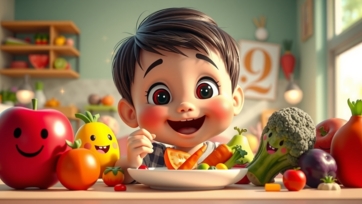
Healthy eating is essential for children’s growth, development, and overall well-being. Providing balanced nutrition helps kids maintain energy, strengthen immunity, and support brain development. Healthy eating and nutrition tips for kids teach them the importance of making good food choices while making mealtime fun and enjoyable. Why Healthy Eating is Important for Kids: Children need a variety of nutrients to grow strong and stay healthy. Balanced meals with vitamins, minerals, proteins, and healthy fats improve physical growth, cognitive development, and concentration. Healthy eating also helps prevent childhood obesity, nutrient deficiencies, and other health issues. The Role of Parents and Caregivers: Parents and caregivers play a key role in shaping children’s eating habits. By providing nutritious foods, creating positive mealtime experiences, and modeling healthy choices, adults encourage children to develop lifelong healthy habits. Basic Nutrition for Kids: Understanding the key nutrients helps in planning balanced meals. Proteins: Essential for growth, tissue repair, and immune function. Sources: Eggs, lean meat, fish, beans, lentils, and dairy products. Carbohydrates: Provide energy for daily activities and brain function. Sources: Whole grains, rice, oats, fruits, and vegetables. Healthy Fats: Support brain development and hormone production. Sources: Avocado, nuts, seeds, olive oil, and fatty fish. Vitamins and Minerals: Important for bones, skin, and overall health. Sources: Colorful fruits, vegetables, dairy, and fortified foods. Hydration: Water is essential for digestion, temperature regulation, and overall health. Limit sugary drinks and encourage plain water or natural fruit juices. Fun Ways to Encourage Healthy Eating: Making food fun and engaging helps children develop positive eating habits. Colorful Plates: Include a variety of colorful fruits and vegetables to make meals visually appealing. Teach kids about the benefits of different colors and nutrients. Creative Food Shapes: Use cookie cutters to make sandwiches, fruits, or vegetables into fun shapes. Kids are more likely to eat foods that look exciting and playful. Cooking Together: Involve children in meal preparation, such as washing vegetables or stirring ingredients. Encourages interest in food and teaches basic cooking skills. Healthy Snacks for Kids: Snacks are an important part of a child’s diet, but they should be nutritious. Fruit and Yogurt Parfaits: Layer fruits with yogurt and granola. Vegetable Sticks with Dip: Carrots, cucumbers, or bell peppers with hummus. Whole Grain Snacks: Whole wheat crackers, rice cakes, or oatmeal bars. Smoothies: Blend fruits, vegetables, and yogurt for a nutritious drink. Tips to Make Nutrition Enjoyable: Set a Routine: Serve meals and snacks at regular times. Avoid Pressure: Encourage trying new foods without forcing them. Lead by Example: Eat balanced meals as a family to model healthy habits. Make Learning Fun: Teach kids about nutrients and where food comes from. Reward Wisely: Use praise instead of sweets to reinforce healthy choices. Addressing Picky Eating: Picky eating is common, but there are strategies to encourage healthy habits. Introduce new foods gradually alongside familiar favorites. Offer a variety of textures and flavors to expand taste preferences. Be patient and consistent; it may take multiple exposures for a child to accept new foods. Make mealtimes positive and stress-free, focusing on fun and creativity. Benefits of Healthy Eating for Kids: Supports physical growth, strong bones, and muscle development. Enhances brain development, focus, and learning abilities. Boosts immunity and reduces risk of illness. Helps maintain healthy weight and energy levels. Encourages lifelong positive eating habits. Conclusion: Healthy eating and nutrition for kids is essential for their growth, learning, and overall well-being. By providing balanced meals, involving children in food preparation, and making nutrition fun, parents and caregivers can encourage lifelong healthy habits. Combining colorful plates, creative shapes, nutritious snacks, and positive mealtime experiences helps children develop a love for healthy food. With consistent guidance and encouragement, kids can enjoy nutritious meals, stay energized, and grow strong, confident, and healthy.
The Brave Little Rabbit Story
Once upon a time, in a lush green meadow, there lived a little rabbit named Ruby. She was small, fluffy, and very curious, but most of all, Ruby was brave. Unlike other rabbits who were afraid of danger, Ruby loved to explore and help her friends in the meadow. Ruby’s Daily Adventures: Every day, Ruby would hop around the meadow, discovering: Beautiful flowers and tasty plants. Hidden paths near the forest. Friends in need, like birds, squirrels, and tiny insects. Ruby believed that being small didn’t mean she couldn’t be courageous and kind. The Danger in the Meadow: One sunny morning, a hungry fox entered the meadow. All the animals were frightened and ran to hide. Ruby noticed a group of baby birds stranded on a branch near the fox. She had to think fast. The Brave Plan: Ruby remembered a small tunnel under a bush that led safely to the bird’s nest. She hopped as fast as she could, making sure the fox didn’t see her. Ruby guided the baby birds through the tunnel to safety. The baby birds chirped happily and thanked Ruby for her bravery. Lesson: Even the smallest animals can show courage and save others. Helping Friends is Important: Later, Ruby saw a squirrel struggling to carry nuts up a tree. She helped by nudging the nuts toward the tree, making it easier for the squirrel to store them for winter. The squirrel said, “Thank you, Ruby! You are the bravest rabbit I know!” Lesson: Being brave isn’t just about facing danger; it’s also about helping and supporting friends. Fun Activities with the Story: 1. Role Play: Children can act as Ruby, the baby birds, squirrels, and the fox. This teaches problem-solving, bravery, and teamwork. 2. Drawing Activity: Draw Ruby saving the baby birds or helping friends. Use bright colors to make it fun and imaginative. 3. Story Discussion: Ask children: How did Ruby help her friends? What would you do if you were in Ruby’s place? How can small actions make a big difference? 4. Rabbit Hop Game: Children can hop like rabbits through an obstacle course. This helps develop coordination, balance, and fun learning. Interesting Comparisons for Kids: Ruby’s courage is like children standing up for their friends. Helping friends in need teaches the importance of kindness and empathy. Even small animals or kids can make a big difference in their community. Conclusion: The story of The Brave Little Rabbit teaches children about courage, kindness, and helping others. Ruby shows that no matter how small you are, you can be brave and make a difference. By acting out the story, drawing, and playing related games, children can learn valuable life lessons in an engaging and fun way.
Fun Ways to Eat Vegetables for Kids
Many children do not like eating vegetables, but vegetables are very important for growing strong, healthy, and active bodies. The good news is that with a little creativity, vegetables can become fun, tasty, and exciting for kids. In this article, we will explore fun ways to eat vegetables for kids so that healthy eating becomes enjoyable instead of boring. Why Vegetables Are Important for Kids: Vegetables help children: Grow strong bones and muscles Improve digestion and immunity Stay energetic and active Keep skin, eyes, and teeth healthy Develop good eating habits for life When kids understand the benefits and enjoy the taste, they are more likely to eat vegetables happily. Fun and Creative Ways to Make Vegetables Exciting: 1. Make Colorful Veggie Plates: Arrange vegetables in bright colors like carrots, tomatoes, cucumbers, and bell peppers. Create shapes like flowers, animals, or smiley faces. Kids love colorful food, and fun shapes make meals exciting. 2. Turn Vegetables into Snacks: Serve carrot sticks, cucumber slices, or cherry tomatoes with healthy dips like yogurt or hummus. Snacks feel special and help kids enjoy vegetables without pressure. 3. Add Vegetables to Favorite Foods: Mix vegetables into pasta, noodles, rice, or omelets. Add grated carrots or spinach to sandwiches or burgers. Kids enjoy familiar foods while eating vegetables without noticing much. 4. Make Veggie Smoothies: Blend spinach, carrots, or beetroot with fruits like bananas and apples. Smoothies taste sweet and are an easy way to add vegetables to a child’s diet. Fun Cooking Ideas With Vegetables: 1. Veggie Pizza: Let kids add their favorite vegetables on homemade pizza. Cooking together makes children more interested in eating what they prepare. 2. Vegetable Shapes and Cutouts: Use cookie cutters to make fun shapes from vegetables. Shapes make vegetables look like toys and increase curiosity. 3. Rainbow Vegetable Wraps: Wrap colorful vegetables in flatbread or tortillas. Bright colors make food look tasty and fun. 4. Veggie Pops or Rolls: Make vegetable rolls or small pops using mashed vegetables. Small-sized foods are easier and more fun for kids to eat. How Parents Can Encourage Kids to Eat Vegetables: Be a Role Model: Eat vegetables yourself and show enjoyment. Involve Kids in Cooking: Let them wash, cut (with safety), and arrange vegetables. Do Not Force: Encourage gently instead of pressuring. Offer Choices: Let kids choose which vegetables they want to eat. Praise Efforts: Appreciate even small bites and attempts. Positive encouragement works better than strict rules. Fun Games to Promote Eating Vegetables: 1. Veggie Challenge Game: Try a new vegetable each week and rate it with stars. 2. Storytelling With Vegetables: Create fun stories where vegetables are superheroes. 3. Gardening Together: Grow vegetables at home and let kids eat what they grow. Children are more excited to eat vegetables they helped grow. Benefits of Eating Vegetables in a Fun Way: Children who enjoy vegetables experience: Better nutrition and stronger immunity Improved digestion and energy Healthy growth and development Positive relationship with food Reduced fear of trying new foods Making vegetables fun builds healthy habits that last a lifetime. Conclusion: Fun ways to eat vegetables for kids make healthy eating enjoyable and stress-free. By using colors, shapes, games, and creative recipes, parents can turn vegetables into a favorite part of meals. Encouraging kids with love, patience, and creativity helps them develop strong bodies, healthy minds, and lifelong healthy eating habits.
Learn About Dinosaurs: Fun Facts for Children
Dinosaurs are one of the most exciting and fascinating topics for children. These giant creatures lived on Earth millions of years ago, long before humans existed. Kids love dinosaurs because of their huge size, strange names, and mysterious lives. Learning about dinosaurs helps children understand Earth’s history, science, and evolution in a fun and engaging way. In this article, we will learn about dinosaurs with fun facts for children that are easy to understand and enjoyable to read. What Are Dinosaurs and When Did They Live: Dinosaurs were reptiles that lived on Earth about 230 million years ago. They ruled the planet for a very long time during a period called the Mesozoic Era, which is divided into three parts: Triassic, Jurassic, and Cretaceous. Dinosaurs lived on land, and some were very small while others were larger than houses. Scientists study dinosaur fossils to learn how they lived, what they ate, and how they moved. Why Learning About Dinosaurs Is Fun for Kids: Dinosaurs make learning exciting because they: Look very different from animals today Have interesting names and shapes Help kids learn about science and history Spark imagination and curiosity Children often feel like explorers when learning about dinosaurs, discovering a world from the distant past. Different Types of Dinosaurs Explained Simply: Dinosaurs can be grouped in many ways, but the easiest way for kids to understand is by what they ate. Herbivore Dinosaurs (Plant Eaters): Herbivores ate plants, leaves, and trees. They usually had flat teeth for chewing. Examples include: Triceratops Brachiosaurus Stegosaurus These dinosaurs were often very large and traveled in groups to stay safe. Carnivore Dinosaurs (Meat Eaters): Carnivores ate other animals and had sharp teeth and claws. Examples include: Tyrannosaurus Rex Velociraptor Spinosaurus They were fast, strong, and often hunted alone or in packs. Omnivore Dinosaurs (Plant and Meat Eaters): Some dinosaurs ate both plants and meat, making them omnivores. Examples include: Oviraptor Ornithomimus This diet helped them survive in different environments. Amazing Dinosaur Facts That Kids Love: Dinosaurs Lived Millions of Years Ago: Dinosaurs lived long before humans. The last dinosaurs disappeared about 65 million years ago. Some Dinosaurs Had Feathers: Not all dinosaurs had scales. Scientists believe some dinosaurs had feathers, and birds are their closest living relatives. Dinosaurs Laid Eggs: Just like birds and reptiles today, dinosaurs laid eggs. Fossils of dinosaur nests have been found in many parts of the world. The Biggest Dinosaur Was Huge: Some dinosaurs were longer than a basketball court and weighed more than several elephants combined. Meet Some Popular Dinosaurs for Children: Tyrannosaurus Rex – The King of Dinosaurs: T-Rex was one of the fiercest carnivores. It had strong jaws and sharp teeth, but very small arms. Triceratops – The Three-Horned Dinosaur: Triceratops had three horns on its face and a large frill to protect itself from predators. Stegosaurus – The Plate-Back Dinosaur: Stegosaurus had large plates on its back and spikes on its tail to defend itself. Brachiosaurus – The Tall Giant: Brachiosaurus had a very long neck that helped it eat leaves from tall trees. What Did Dinosaurs Eat and How Did They Survive: Dinosaurs survived by adapting to their environment. Plant-eaters used their size and strength for protection, while meat-eaters relied on speed and sharp senses. Some dinosaurs traveled in herds, while others lived alone. Their survival depended on finding food, water, and shelter. How Scientists Learn About Dinosaurs Today: Scientists called paleontologists study dinosaur fossils. Fossils are remains or footprints preserved in rocks. They learn about dinosaurs by: Studying bones and teeth Examining footprints Using computer models Comparing dinosaurs to modern animals This helps kids understand how science works through discovery and research. Why Did Dinosaurs Become Extinct: Most scientists believe dinosaurs became extinct because of a huge asteroid that hit Earth. This caused massive changes in climate, making it hard for dinosaurs to survive. Plants died, food became scarce, and many animals could not adapt. This event teaches kids about natural disasters and environmental changes. Fun Dinosaur Activities for Children: Create Dinosaur Drawings: Kids can draw and color their favorite dinosaurs. Make a Dinosaur Timeline: A simple timeline helps children understand when dinosaurs lived. Visit a Museum or Watch Documentaries: Seeing dinosaur skeletons makes learning more exciting and real. What Dinosaurs Teach Children About Science: Learning about dinosaurs teaches kids: Earth’s history Evolution and change Importance of fossils Curiosity and critical thinking Dinosaurs show that life on Earth has changed many times over millions of years. Conclusion: Dinosaurs may be extinct, but they continue to capture the imagination of children around the world. From giant plant-eaters to fierce meat-eaters, dinosaurs teach us about Earth’s past in a fun and exciting way. By learning dinosaur facts, children develop curiosity, scientific thinking, and a love for discovery. This journey into the dinosaur world makes learning both educational and enjoyable.
How to Teach Kids About Kindness
Kindness is a wonderful value that helps children build positive relationships, empathy, and a caring attitude. Teaching kids about kindness from an early age encourages them to treat others with respect, share generously, and make the world a better place. In this article, we will explore how to teach kids about kindness in simple, fun, and effective ways. Why Teaching Kindness to Kids Is Important: Kindness is more than just being nice—it is about understanding, helping, and caring for others. Teaching kindness helps children: Develop empathy and emotional intelligence Build healthy friendships and social skills Feel happier and more confident Reduce bullying and conflict Learn to respect diversity and differences A kind child grows into a compassionate and responsible adult. Ways to Teach Kindness Through Everyday Life: 1. Lead by Example: Children learn by observing adults. Show acts of kindness in daily life, such as helping neighbors, sharing, or speaking politely. 2. Praise Kind Behavior: When a child helps, shares, or comforts someone, acknowledge and praise their action. Positive reinforcement encourages repetition. 3. Encourage Sharing and Cooperation: Use games, group activities, or chores to teach the importance of sharing and working together. 4. Teach Empathy: Discuss feelings and ask children how others might feel in different situations. Understanding emotions helps develop kindness. 5. Involve Children in Community Service: Simple acts like donating toys, helping in a garden, or visiting the elderly teach children the joy of giving. Fun Activities to Teach Kindness to Kids: 1. Kindness Jar: Create a jar where children write or draw kind actions they did each day. Review them weekly to celebrate their good deeds. What Kids Learn: Recognizing and appreciating acts of kindness. 2. Storytime With Moral Lessons: Read stories where characters show compassion, honesty, and generosity. Example: “The Lion and the Mouse” teaches helping others regardless of size. 3. Role-Playing Games: Act out situations where kids can practice helping, sharing, or comforting someone. What Kids Learn: Practical ways to show kindness in real life. 4. Random Acts of Kindness Challenge: Encourage children to perform small kind acts daily, such as complimenting a friend, helping at home, or giving a smile. What Kids Learn: Kindness can be simple, fun, and impactful. Teaching Kindness Through Conversations: Discuss feelings: Ask how others might feel when treated kindly or unkindly. Explain consequences: Show how kind actions can make a positive difference. Encourage gratitude: Teach children to say thank you and appreciate others. Address mistakes gently: When a child is unkind, explain why and how to correct it. Talking about kindness reinforces understanding and helps children internalize values. Benefits of Learning Kindness for Children: By practicing kindness, children develop: Stronger social skills and friendships Better emotional understanding and empathy A positive mindset and confidence Respect for others and teamwork skills A habit of helping and giving back Kindness becomes a lifelong value that benefits both the child and the community. Conclusion: Teaching kindness to children is a gift that shapes their character, relationships, and overall happiness. Through example, praise, stories, activities, and conversations, children can learn how to be kind in their words and actions. Encouraging small, consistent acts of kindness builds empathy, compassion, and a caring attitude, helping children grow into responsible and thoughtful adults.
Teaching Children Gratitude in Everyday Life
Gratitude is the practice of appreciating the good things in life and expressing thanks. Teaching children gratitude helps them develop a positive mindset, empathy, and stronger relationships. In this article, we will explore teaching children gratitude in everyday life with simple tips, activities, and examples that make thankfulness a fun and natural habit. Why Gratitude Is Important for Kids: Gratitude is more than saying “thank you.” It helps children: Develop a positive and happy attitude Build empathy and understanding toward others Strengthen relationships with family, friends, and teachers Reduce selfishness and increase generosity Improve emotional health and resilience Grateful children are more aware of the blessings around them and learn to value both small and big things in life. Ways to Teach Gratitude in Everyday Life: 1. Model Gratitude: Children learn best by observing adults. Say thank you, show appreciation, and express gratitude in daily life. 2. Encourage Saying Thank You: Remind children to use polite words for kindness, gifts, or help received. 3. Discuss Daily Blessings: Talk about simple things like food, friends, toys, or a sunny day, and encourage children to notice and appreciate them. 4. Share Stories About Gratitude: Read or tell stories where characters show thankfulness and its positive effects. 5. Create Gratitude Rituals: Incorporate habits like saying thanks before meals, bedtime gratitude reflections, or sharing what they are thankful for each day. Fun Activities to Teach Gratitude: 1. Gratitude Jar: Children write notes about things they are thankful for and place them in a jar. Review the notes weekly as a family. What Kids Learn: Recognizing and appreciating daily blessings. 2. Thank You Cards: Encourage children to make cards for family, friends, or teachers. What Kids Learn: Expressing gratitude creatively and personally. 3. Daily Reflection Time: Take a few minutes each day to ask, “What made you happy today?” What Kids Learn: Mindfulness and noticing positive moments. 4. Acts of Kindness: Encourage children to do something nice for others, like helping a sibling or neighbor. What Kids Learn: Gratitude grows when paired with giving and sharing. How Parents and Teachers Can Encourage Gratitude: Praise Gratitude: Acknowledge when children express thanks or show appreciation. Involve Them in Helping Others: Volunteering or simple acts of kindness teach empathy and thankfulness. Talk About Feelings: Help children understand how gratitude affects their own happiness and the happiness of others. Use Stories and Role Models: Share examples of grateful people or characters. Make Gratitude a Habit: Encourage daily expressions of thanks in routine situations. Consistent practice helps children adopt gratitude naturally as part of their personality. Benefits of Learning Gratitude for Children: Children who practice gratitude develop: A positive mindset and happier outlook Stronger social and family relationships Empathy and understanding toward others Emotional resilience and patience A sense of generosity and kindness Gratitude shapes children into thoughtful, caring, and emotionally balanced individuals. Conclusion: Teaching children gratitude in everyday life is a simple yet powerful way to nurture happiness, empathy, and strong relationships. Through stories, activities, daily habits, and role modeling, children can learn how to appreciate the world around them and express thanks. Gratitude helps kids grow into kind, thoughtful, and emotionally intelligent individuals, ready to lead a positive and meaningful life.
What Are Animals Made Of? Simple Science for Kids
Have you ever wondered what makes animals alive and strong? From tiny ants to huge elephants, every animal has a special structure inside that helps them move, eat, and survive. This kids science story explains in a fun and simple way what animals are made of and how their bodies work. The Building Blocks of Animals: All animals are made of cells, which are tiny building blocks too small to see without a microscope. Cells are like the bricks of a house — each one has a special job. Some cells help animals move. Some cells help them eat and digest food. Some cells fight diseases and keep animals healthy. Without cells, animals could not live! Tissues, Organs, and Systems: Cells join together to form tissues, which then form organs. Organs are like tiny machines inside the body. For example: The heart pumps blood. The lungs help animals breathe. The stomach digests food. Organs work together in systems. For example, the digestive system helps animals eat and get energy, and the circulatory system carries blood and nutrients all over the body. The Skeleton and Muscles: Most animals have skeletons made of bones. Skeletons: Give animals their shape Protect important organs like the heart and brain Help animals move Muscles are attached to bones and help animals walk, run, jump, or swim. Even animals without bones, like worms or jellyfish, have other ways to move and survive! Skin, Fur, Feathers, and Scales: Animals have different coverings: Skin protects their body Fur keeps them warm Feathers help birds fly and stay insulated Scales protect fish and reptiles These coverings are important for survival and adapting to their environment. Brain and Senses: Animals have a brain that controls their body. The brain helps them: See, hear, smell, taste, and touch Learn and remember things React to danger Senses are very important. A dog’s nose, a bird’s eyes, and a cat’s ears help them find food, stay safe, and enjoy life. Fun Experiments to Learn About Animals: Kids can explore animal bodies through safe experiments: Observe your pet and note how it moves and eats. Touch leaves or feathers to understand textures. Watch videos of animals to see how their organs and muscles work. These activities help children understand animal biology in a fun way. Why Understanding Animals Is Important: Learning what animals are made of teaches kids: How animals live and survive The importance of care and respect for all creatures How humans are also made of similar building blocks Knowing science helps kids appreciate nature and life. Moral of the Story: Animals are made of cells, tissues, organs, and systems that work together to help them live, move, and survive. Every part of an animal is important and amazing! Why Kids Should Read This Story: This simple science story for kids helps children: Learn about animal bodies in a fun and easy way Understand the science behind life and living creatures Develop curiosity and love for biology Explore the natural world through observation and experiments Parents and teachers can use this story as a classroom lesson or bedtime science tale. Final Message: 🦁 Every animal, big or small, is made of amazing parts that work together — explore, learn, and appreciate the magic of life! 🦁
The Clever Fox and the Smart Crow
Once upon a time, in a dense green forest, there lived a clever fox and a smart crow. Both were known for their intelligence and wit, and all the forest animals admired them. The Hungry Crow: One sunny morning, a crow found a delicious piece of cheese. She picked it up and flew to a tall tree to enjoy it. The aroma of the cheese reached the nose of a hungry fox nearby. The Fox’s Plan: The clever fox wanted the cheese. He thought carefully and said politely to the crow: “Good morning, dear Crow! Your feathers are so shiny and beautiful. I have heard you have a beautiful voice too. Can you sing a song for me?” The Crow Gets Tricked: The crow, flattered by the fox’s words, wanted to impress him. She opened her beak to caw loudly, but as soon as she did, the piece of cheese fell down. The fox quickly grabbed it and said: “Thank you, dear Crow, for your beautiful song!” and ran away happily. The Crow Learns a Lesson: The smart crow felt sad but thought wisely. She realized that flattery can be tricky and that she must always think carefully before trusting others. Moral of the Story: Don’t be easily fooled by flattery. Think before acting. Use your intelligence to solve problems. This story teaches children the importance of wisdom, careful thinking, and not trusting others blindly. Fun Activities with the Story: Role Play: Children can act as the fox and crow to learn the lesson actively. Drawing: Draw the fox, the crow, and the piece of cheese to make the story visual. Discussion: Ask children what they would have done if they were the crow. Conclusion: “The Clever Fox and the Smart Crow” is a fun and educational story that teaches children critical thinking, wisdom, and caution. By acting out the story, drawing, and discussing, kids can learn the moral in a memorable and enjoyable way.