Interesting Fairy Tales Every Child Should Know

Fairy tales are magical stories filled with imagination, lessons, and wonder. They help children explore fantasy worlds, learn moral values, and develop a love for reading. From brave heroes to kind-hearted characters, fairy tales have been passed down for generations. In this article, we will explore interesting fairy tales every child should know and why they are important for a child’s growth.

Why Fairy Tales Are Important for Children:

Fairy tales help children:

  • Develop imagination and creativity

  • Learn moral values like kindness, honesty, and courage

  • Improve language and listening skills

  • Understand the difference between right and wrong

  • Enjoy reading and storytelling

These stories shape a child’s thinking in a gentle and enjoyable way.

Classic Fairy Tales Every Child Should Know:

1. Cinderella:

Cinderella is a story about kindness, patience, and hope. Despite being treated badly, she remains kind and is rewarded for her good heart.

2. Little Red Riding Hood:

This fairy tale teaches children the importance of listening to elders and being careful around strangers.

3. Snow White and the Seven Dwarfs:

Snow White’s story shows how kindness, friendship, and goodness can defeat jealousy and evil.

4. Jack and the Beanstalk:

This adventurous tale teaches bravery, courage, and the consequences of choices.

5. The Three Little Pigs:

A story that teaches hard work, planning, and responsibility through fun and memorable characters.

Moral Lessons Learned from Fairy Tales:

1. Kindness Always Wins:

Good-hearted characters are often rewarded in fairy tales.

2. Honesty Is Important:

Stories show that lying leads to trouble, while honesty brings peace.

3. Courage Helps Overcome Fear:

Many fairy tale heroes face fears bravely and succeed.

4. Hard Work Brings Success:

Characters who work hard often achieve happy endings.

Benefits of Reading Fairy Tales to Kids:

Reading fairy tales helps children:

  • Improve vocabulary and communication skills

  • Develop emotional intelligence

  • Build attention and listening abilities

  • Strengthen parent-child bonding

  • Encourage curiosity and imagination

Storytime also creates warm and memorable family moments.

Fun Ways to Introduce Fairy Tales to Children:

1. Storytelling with Expressions:

Use voice changes and expressions to make stories exciting.

2. Role Play and Acting:

Let kids act as princes, princesses, or heroes from stories.

3. Picture Books and Illustrations:

Colorful pictures make fairy tales more engaging.

4. Bedtime Fairy Tales:

Reading stories before sleep helps children relax and imagine happy dreams.

How Parents and Teachers Can Use Fairy Tales for Learning:

  • Discuss the moral lesson after the story

  • Ask kids what they learned from the characters

  • Encourage children to create their own fairy tales

  • Connect story lessons to real-life situations

Fairy tales can be powerful tools for teaching values in a gentle way.

Modern Importance of Fairy Tales:

Even in today’s digital world, fairy tales remain important because they:

  • Encourage screen-free learning

  • Strengthen reading habits

  • Teach timeless values

  • Help children understand emotions

  • Inspire creativity and storytelling

Fairy tales continue to guide young minds in a positive direction.

Conclusion:

Interesting fairy tales every child should know are more than just stories—they are lessons wrapped in magic. Through imagination, adventure, and moral teachings, fairy tales help children grow emotionally, socially, and mentally. Introducing children to classic fairy tales builds a strong foundation of values, creativity, and a lifelong love for reading.

Advertisement
Always Speak the Truth – Kids Story
In a small, peaceful village called Brightville, there lived a cheerful boy named Kabir. Kabir loved to play, learn new things, and explore the village with his friends. But sometimes, when he made a mistake, he would try to hide it by telling a little lie. This kids moral story teaches children why honesty is the best policy and how speaking the truth builds trust and respect. Kabir and the Broken Vase: One sunny afternoon, Kabir was playing with his ball inside his house. Suddenly, the ball hit a beautiful vase, and it fell to the floor, shattering into pieces. Kabir felt scared. He thought, “If I tell my mother, she will be angry. Maybe I can hide it.” He quickly tried to sweep up the pieces and put them away. The Consequences of Lying: When Kabir’s mother came home, she immediately noticed the vase was broken. “Kabir, did you break this vase?” she asked. Kabir shook his head and said, “No, I don’t know what happened.” His mother looked sad but decided to check carefully. She found the scattered pieces hidden in the corner. Kabir felt guilty. Feeling the Truth Inside: Kabir realized that lying made him feel heavy and unhappy inside. The Courage to Tell the Truth: That evening, Kabir gathered courage and said to his mother, “Ammi, I’m sorry. I broke the vase while playing, and I tried to hide it.” His mother hugged him gently. “Thank you for telling the truth, Kabir. Honesty is very important. Everyone makes mistakes, but telling the truth shows courage.” Learning from Mistakes: Kabir learned an important lesson that day. He understood that: Telling lies may seem easy, but it causes guilt and trouble Speaking the truth earns respect and trust Mistakes are okay if you admit them honestly Kabir Helps Others: The next day, Kabir saw his friend Ali cheating in a small school game. Kabir reminded him gently, “Ali, always speak the truth. Cheating might seem fun, but honesty is better.” Ali listened and returned the game to fair play. Kabir felt proud, knowing that being honest helped others too. Why Honesty Matters: This story teaches children: Honesty builds trust with family and friends Truthfulness creates confidence and respect Lies may bring short-term relief but long-term problems Being honest is always the brave and right choice True Bravery: Courage is not only about being strong but also about telling the truth even when it is difficult. Moral of the Story: Always Speak the Truth shows that honesty is a superpower. Truthfulness makes life better, relationships stronger, and hearts happier. Why Kids Should Read This Story: This children’s moral story helps kids: Learn the importance of honesty Understand the consequences of lying Gain courage to admit mistakes Develop strong moral values in everyday life Parents and teachers can use this story as a bedtime tale or classroom lesson to encourage children to speak the truth. Final Message: 💬 Always be honest, admit your mistakes, and remember — speaking the truth is the bravest and happiest choice you can make. 💬
Learn Counting 1 to 100 Easily
Counting is one of the first and most important skills every child learns. Numbers help us understand the world, tell stories, solve problems, and have fun with games. Learning to count from 1 to 100 might sound tricky at first, but with simple steps, fun activities, and practice, kids can become counting experts in no time! Why Learning to Count is Important Counting is not just about numbers. It helps children develop math skills, logical thinking, and problem-solving abilities. Here’s why counting matters: Math foundation: Counting is the first step to addition, subtraction, and other math skills. Everyday life: We use numbers daily, like counting toys, fruits, or steps. Confidence boost: Knowing numbers makes kids feel smart and independent. By learning to count from 1 to 100, kids get ready for more exciting math adventures! Step-by-Step Guide to Counting from 1 to 100 H3: Start with 1 to 10 Begin with small numbers. Count objects like toys, fruits, or pencils. Example Activity: Take 5 apples. Count them one by one: “1, 2, 3, 4, 5.” Repeat every day until your child is confident with numbers 1–10. Tip: Use colorful objects. Visuals make counting fun! H3: Move to 11 to 20 After 1–10, introduce numbers 11–20. Fun Trick: Use fingers and toes to count: 10 fingers + 1 finger = 11. Say the numbers aloud and clap your hands with each number. Example:“11, 12, 13, 14, 15, 16, 17, 18, 19, 20.” H3: Counting in Tens Once kids know 1–20, teach numbers in tens: 10, 20, 30, …, 100. Activity: Line up 10 toy blocks. Each row of 10 blocks represents a ten. Count each row: 10, 20, 30… This shows how numbers grow. Tip: You can also use coins, pencils, or small snacks. H3: Counting 21 to 100 After 1–20, combine your knowledge of tens and ones to count higher numbers. Fun Method: Break numbers into tens and ones. Example: 34 = 30 + 4. Say the tens first, then add the ones: “Thirty-four.” Example Activity: Draw a hundred chart. Fill it together from 1 to 100. Color each number as you say it. Kids love colorful counting! Fun Counting Games for Kids H4: Number Hunt Hide objects around the room. Ask your child to find and count them. Count together out loud for fun practice. H4: Jump Counting Draw numbers on the floor with chalk. Jump on each number while saying it aloud. Physical activity helps remember numbers faster. H4: Counting Songs Sing songs like “One, Two, Three, Four, Five” to make learning lively. Music helps memory and makes counting exciting. Tips for Easy Counting Practice Daily: Counting a few minutes every day is better than long sessions. Use Real Objects: Toys, fruits, coins, or crayons make numbers real. Celebrate Achievements: Clap and cheer for every milestone. Use Visual Charts: Hundred charts, number lines, and colorful books help remember sequences. Learning Through Stories and Lessons H4: Story Example: Counting with Animals Imagine a farm with 10 playful puppies. You feed them one by one: “One puppy, two puppies…” Now, add 5 kittens joining the puppies: “11, 12, 13, 14, 15.” Lesson: Counting helps organize things and solve small problems. H4: Moral of Counting Counting teaches patience, attention, and careful thinking. Children learn to observe, focus, and enjoy the small steps toward bigger achievements. Conclusion Learning to count from 1 to 100 is fun, easy, and full of adventure when you use games, songs, objects, and colorful charts. Start small with 1–10, move to 11–20, then tens, and finally 1–100. With daily practice, your child will not only learn numbers but also build confidence, logic, and problem-solving skills. Counting is the first step to exploring the amazing world of numbers!
Why Do Plants Need Sunlight? Simple Science for Kids
Plants are amazing living things that provide us with oxygen, food, and beauty. But have you ever wondered why plants grow toward the sun or why sunlight is so important for them? Sunlight is not just light—it is a source of energy that helps plants survive and grow. In this article, we will explain why plants need sunlight in a simple and fun way for kids. What Is Sunlight and How Does It Help Plants: Sunlight is the light and energy that comes from the Sun. Plants need sunlight to make their own food through a process called photosynthesis. Sunlight helps plants grow strong, stay healthy, and produce flowers, fruits, and seeds. Learning about sunlight and plants is important for kids because it: Explains how plants live and grow Helps understand nature and the environment Encourages curiosity about science Teaches the importance of sunlight for all living things What Happens During Photosynthesis: Photosynthesis is the process plants use to make food using sunlight. Step-by-Step Photosynthesis for Kids: Leaves absorb sunlight Roots take water from the soil Leaves take carbon dioxide from the air Sunlight helps plants turn water and carbon dioxide into sugar (food) Oxygen is released into the air This process shows why sunlight is essential for life on Earth. How Sunlight Affects Plant Growth: Sunlight helps plants grow in many ways: 1. Helps Plants Make Food: Without sunlight, plants cannot produce the energy they need. 2. Controls Plant Direction: Plants grow toward sunlight in a process called phototropism. 3. Produces Flowers and Fruits: Plants that get enough sunlight bloom and produce fruits and seeds. 4. Keeps Plants Healthy: Sunlight helps plants resist diseases and grow strong stems and leaves. Different Plants Need Different Amounts of Sunlight: Not all plants need the same amount of sunlight. Full Sun Plants: These plants need at least 6–8 hours of sunlight daily. Example: Sunflowers. Partial Sun Plants: These need 3–6 hours of sunlight. Example: Lettuce and spinach. Shade-Loving Plants: These grow best with very little sunlight. Example: Ferns. Fun Facts About Sunlight and Plants: Plants Can Grow Without Soil: Some plants, like algae and water plants, can grow with sunlight and water alone. Sunlight Helps Plants Make Oxygen: During photosynthesis, plants release oxygen that humans and animals breathe. Plants Can “Move” Toward Light: Even though they don’t walk, plants bend and stretch toward sunlight. Some Flowers Open and Close Based on Sunlight: Plants like morning glories open in sunlight and close at night. Simple Sunlight Experiments for Kids: 1. Sunlight vs. Shade Experiment: Place one plant in sunlight and another in a dark place Observe differences in growth over a few weeks What Kids Learn: Plants need sunlight to grow strong. 2. Growing Seeds in Light and Dark: Plant seeds in two cups Put one in sunlight and one in darkness Watch which plant grows faster What Kids Learn: Sunlight is essential for food production and growth. 3. Observing Plant Movement: Place a plant near a window Watch how it slowly grows toward the light What Kids Learn: Plants respond to sunlight and always seek energy. Why Sunlight Is Important for the Environment: Sunlight is not only important for plants but also for the environment and humans. Plants produce oxygen through sunlight Sunlight helps ecosystems thrive Animals depend on plants for food Sunlight affects weather and climate Understanding sunlight helps children appreciate nature and life on Earth. How Parents and Teachers Can Teach Kids About Sunlight: Use Visuals and Models: Pictures, charts, and models make learning easier. Try Hands-On Activities: Experiments with sunlight help kids understand photosynthesis. Encourage Questions: Let children ask why plants grow in certain directions or why some plants need more sun. Connect to Real Life: Show how sunlight affects food, flowers, and even pets. What Kids Learn About Plants and Sunlight: By learning why plants need sunlight, children understand: How plants grow and survive The importance of energy in nature How plants help humans and animals Curiosity and observation skills This knowledge inspires a love for science and the environment. Conclusion: Sunlight is life for plants. It gives them energy, helps them grow, and keeps the Earth healthy. By understanding why plants need sunlight, kids can appreciate the connection between the Sun, plants, and life on our planet. With fun experiments and simple observations, learning about sunlight becomes exciting, educational, and unforgettable for every child.
Learn About the Human Body in a Fun Way
The human body is an amazing machine that helps us move, think, eat, and play. Every part of the body works together to keep us alive and healthy. Children are naturally curious about how their bodies work, and learning about it can be both fun and educational. In this article, we will explore how to learn about the human body in a fun way for kids, using simple explanations, activities, and fascinating facts. Why Learning About the Human Body Is Important for Kids: Understanding the human body helps children take care of themselves and learn how their body works. Learning about the human body teaches kids to: Know the functions of different organs Develop healthy habits Appreciate the importance of exercise and nutrition Build curiosity and interest in science Understand how to prevent injuries and stay safe A fun approach makes complex concepts easier to understand and remember. The Human Body Made Simple for Kids: The human body has many parts, but it can be understood in simple systems. 1. Skeletal System: Made of bones Supports the body and protects organs Helps us stand, move, and grow 2. Muscular System: Muscles work with bones to help us move There are voluntary muscles (we control) and involuntary muscles (like the heart) 3. Circulatory System: Heart pumps blood through blood vessels Blood carries oxygen and nutrients to the body Helps remove waste from the body 4. Respiratory System: Lungs take in oxygen and release carbon dioxide Helps us breathe and stay alive 5. Digestive System: Breaks down food into energy Includes stomach, intestines, and other organs 6. Nervous System: Brain, spinal cord, and nerves Controls thoughts, movements, and responses Fun Facts About the Human Body for Kids: The Brain Is Super Powerful: The human brain controls everything we do, from thinking to moving. Bones Are Strong and Lightweight: Even though bones are hard, they are also light enough to let us move easily. Muscles Work in Pairs: Muscles pull, not push, so they work in pairs to move body parts. The Heart Beats Thousands of Times a Day: Your heart works non-stop, pumping blood all day and night. Your Stomach Makes Acid: The stomach uses acid to digest food safely. Fun Activities to Learn About the Human Body: 1. Skeleton Puzzle Activity: Use a puzzle or paper cutouts of bones Arrange them to make a full skeleton What Kids Learn: Bone structure and the skeletal system. 2. Heartbeat Experiment: Measure your pulse before and after exercise Count beats per minute What Kids Learn: How the heart works and how exercise affects it. 3. Lung Capacity Test: Blow up a balloon using one breath Measure how much air your lungs can hold What Kids Learn: How lungs help us breathe. 4. Digestive System Model: Use simple materials to create a model of the stomach and intestines What Kids Learn: How food moves and turns into energy. Healthy Habits for a Strong Human Body: Eat Nutritious Foods: Fruits, vegetables, and proteins help the body grow. Exercise Regularly: Running, jumping, and playing keep muscles and bones strong. Drink Water: Water keeps the body hydrated and helps organs work properly. Get Enough Sleep: Sleep helps the body rest, repair, and grow. Wash Hands and Stay Clean: Good hygiene prevents sickness and keeps the body healthy. How Teachers and Parents Can Make Learning Fun: Use colorful charts and diagrams Conduct hands-on activities and experiments Play educational games about body parts Ask children to draw and label body systems Relate body functions to everyday life Making learning interactive helps children remember concepts better. What Kids Learn from Studying the Human Body: By learning about the human body in a fun way, kids develop: Awareness of how their body works Healthy habits and self-care knowledge Observation and scientific thinking skills Curiosity and interest in biology and health Understanding the human body encourages kids to take care of themselves and appreciate the amazing machine that is their body. Conclusion: The human body is fascinating, and learning about it can be fun and exciting for children. From the brain to the toes, every part has a special job that helps us live, play, and grow. Teaching kids about the human body in a fun way makes science enjoyable, educational, and memorable. By exploring their own bodies through activities and experiments, children develop curiosity, healthy habits, and a love for learning.
Fun Ways to Eat Vegetables for Kids
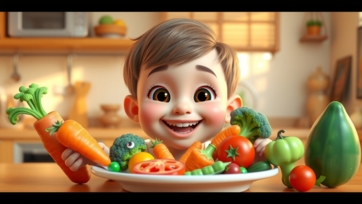
Many children do not like eating vegetables, but vegetables are very important for growing strong, healthy, and active bodies. The good news is that with a little creativity, vegetables can become fun, tasty, and exciting for kids. In this article, we will explore fun ways to eat vegetables for kids so that healthy eating becomes enjoyable instead of boring. Why Vegetables Are Important for Kids: Vegetables help children: Grow strong bones and muscles Improve digestion and immunity Stay energetic and active Keep skin, eyes, and teeth healthy Develop good eating habits for life When kids understand the benefits and enjoy the taste, they are more likely to eat vegetables happily. Fun and Creative Ways to Make Vegetables Exciting: 1. Make Colorful Veggie Plates: Arrange vegetables in bright colors like carrots, tomatoes, cucumbers, and bell peppers. Create shapes like flowers, animals, or smiley faces. Kids love colorful food, and fun shapes make meals exciting. 2. Turn Vegetables into Snacks: Serve carrot sticks, cucumber slices, or cherry tomatoes with healthy dips like yogurt or hummus. Snacks feel special and help kids enjoy vegetables without pressure. 3. Add Vegetables to Favorite Foods: Mix vegetables into pasta, noodles, rice, or omelets. Add grated carrots or spinach to sandwiches or burgers. Kids enjoy familiar foods while eating vegetables without noticing much. 4. Make Veggie Smoothies: Blend spinach, carrots, or beetroot with fruits like bananas and apples. Smoothies taste sweet and are an easy way to add vegetables to a child’s diet. Fun Cooking Ideas With Vegetables: 1. Veggie Pizza: Let kids add their favorite vegetables on homemade pizza. Cooking together makes children more interested in eating what they prepare. 2. Vegetable Shapes and Cutouts: Use cookie cutters to make fun shapes from vegetables. Shapes make vegetables look like toys and increase curiosity. 3. Rainbow Vegetable Wraps: Wrap colorful vegetables in flatbread or tortillas. Bright colors make food look tasty and fun. 4. Veggie Pops or Rolls: Make vegetable rolls or small pops using mashed vegetables. Small-sized foods are easier and more fun for kids to eat. How Parents Can Encourage Kids to Eat Vegetables: Be a Role Model: Eat vegetables yourself and show enjoyment. Involve Kids in Cooking: Let them wash, cut (with safety), and arrange vegetables. Do Not Force: Encourage gently instead of pressuring. Offer Choices: Let kids choose which vegetables they want to eat. Praise Efforts: Appreciate even small bites and attempts. Positive encouragement works better than strict rules. Fun Games to Promote Eating Vegetables: 1. Veggie Challenge Game: Try a new vegetable each week and rate it with stars. 2. Storytelling With Vegetables: Create fun stories where vegetables are superheroes. 3. Gardening Together: Grow vegetables at home and let kids eat what they grow. Children are more excited to eat vegetables they helped grow. Benefits of Eating Vegetables in a Fun Way: Children who enjoy vegetables experience: Better nutrition and stronger immunity Improved digestion and energy Healthy growth and development Positive relationship with food Reduced fear of trying new foods Making vegetables fun builds healthy habits that last a lifetime. Conclusion: Fun ways to eat vegetables for kids make healthy eating enjoyable and stress-free. By using colors, shapes, games, and creative recipes, parents can turn vegetables into a favorite part of meals. Encouraging kids with love, patience, and creativity helps them develop strong bodies, healthy minds, and lifelong healthy eating habits.
Fun Music and Rhythm Activities for Kids
Music and rhythm are essential for children’s development, helping improve memory, coordination, and creativity. Fun music and rhythm activities for kids make learning enjoyable, promote self-expression, and enhance cognitive and emotional growth. Engaging children in music early encourages a lifelong love for melodies, movement, and creative exploration. Why Music and Rhythm Activities are Important for Kids: Music stimulates brain development, improves listening skills, and fosters emotional awareness. Rhythm activities enhance coordination, motor skills, and timing. Participating in music also builds confidence, teamwork, and communication skills while providing an outlet for self-expression. The Role of Parents and Educators: Parents and educators can encourage musical development by introducing songs, instruments, and rhythmic games. Participating together, praising effort, and providing opportunities for experimentation makes learning music interactive and enjoyable. Basic Music and Rhythm Concepts for Kids: Understanding basic concepts helps children explore music effectively. Beat and Rhythm: Teach children to recognize the beat in songs. Clap, tap, or stomp along to music to understand rhythm. Practice simple patterns before moving to complex rhythms. Pitch and Melody: Introduce high and low sounds. Sing simple songs to identify pitch changes. Encourage children to mimic melodies to develop musical ear. Tempo and Dynamics: Explain fast vs. slow tempos through movement or songs. Explore loud and soft sounds to enhance listening skills and expression. Fun Music Activities for Kids: Interactive activities make music learning engaging and memorable. Clapping and Stomping Games: Clap or stomp to the rhythm of a song. Encourage children to create their own rhythm patterns. Improves timing, coordination, and focus. Musical Chairs with Learning Twist: Play traditional musical chairs and ask questions when music stops. Children answer questions about colors, numbers, or letters before sitting. Combines learning with rhythm and movement. Instrument Exploration: Provide simple instruments like tambourines, drums, maracas, or xylophones. Encourage experimentation with sound, volume, and patterns. Kids learn cause and effect, hand-eye coordination, and self-expression. Creative Singing and Song Activities: Singing boosts language, memory, and confidence. Action Songs: Combine movements with songs, such as “Head, Shoulders, Knees, and Toes.” Enhances coordination, memory, and following instructions. Songwriting for Kids: Encourage children to create lyrics about daily life, nature, or stories. Helps develop vocabulary, creativity, and storytelling skills. Call and Response Songs: Adults sing a line and children repeat it. Improves listening, memory, and rhythm recognition. Dance and Movement Activities: Combining music with movement enhances physical and cognitive development. Freeze Dance: Play music and stop at random times, asking kids to freeze. Follow the Beat: Children move according to beats, clapping, marching, or hopping. Creative Dance: Encourage kids to express emotions and stories through dance. Digital Music Activities: Technology can make music learning fun and interactive. Music Apps: Apps allow children to compose melodies, explore instruments, and play rhythm games. Online Tutorials: Learn simple songs, beats, and instrument basics. Interactive Videos: Sing-along videos teach lyrics, rhythm, and movement. Tips to Make Music and Rhythm Fun and Effective: Mix structured lessons with free play and improvisation. Keep activities short (15–30 minutes) for younger children. Use colorful instruments and props to maintain interest. Encourage participation and praise creativity rather than perfection. Combine music with storytelling, art, and movement for holistic learning. Benefits of Music and Rhythm Activities for Kids: Enhances listening, memory, and concentration. Improves coordination, motor skills, and timing. Boosts creativity, self-expression, and confidence. Encourages teamwork and social interaction. Reduces stress, promotes relaxation, and supports emotional development. Conclusion: Fun music and rhythm activities for kids are more than entertainment—they support cognitive, physical, and emotional growth. Through clapping, singing, dancing, and instrument exploration, children develop essential skills while enjoying themselves. Parents and educators can make music learning engaging by providing instruments, encouraging creativity, and participating actively. Regular exposure to music fosters confidence, coordination, and a lifelong appreciation for melodies, rhythm, and artistic expression.
How to Teach Kids About Kindness
Kindness is a wonderful value that helps children build positive relationships, empathy, and a caring attitude. Teaching kids about kindness from an early age encourages them to treat others with respect, share generously, and make the world a better place. In this article, we will explore how to teach kids about kindness in simple, fun, and effective ways. Why Teaching Kindness to Kids Is Important: Kindness is more than just being nice—it is about understanding, helping, and caring for others. Teaching kindness helps children: Develop empathy and emotional intelligence Build healthy friendships and social skills Feel happier and more confident Reduce bullying and conflict Learn to respect diversity and differences A kind child grows into a compassionate and responsible adult. Ways to Teach Kindness Through Everyday Life: 1. Lead by Example: Children learn by observing adults. Show acts of kindness in daily life, such as helping neighbors, sharing, or speaking politely. 2. Praise Kind Behavior: When a child helps, shares, or comforts someone, acknowledge and praise their action. Positive reinforcement encourages repetition. 3. Encourage Sharing and Cooperation: Use games, group activities, or chores to teach the importance of sharing and working together. 4. Teach Empathy: Discuss feelings and ask children how others might feel in different situations. Understanding emotions helps develop kindness. 5. Involve Children in Community Service: Simple acts like donating toys, helping in a garden, or visiting the elderly teach children the joy of giving. Fun Activities to Teach Kindness to Kids: 1. Kindness Jar: Create a jar where children write or draw kind actions they did each day. Review them weekly to celebrate their good deeds. What Kids Learn: Recognizing and appreciating acts of kindness. 2. Storytime With Moral Lessons: Read stories where characters show compassion, honesty, and generosity. Example: “The Lion and the Mouse” teaches helping others regardless of size. 3. Role-Playing Games: Act out situations where kids can practice helping, sharing, or comforting someone. What Kids Learn: Practical ways to show kindness in real life. 4. Random Acts of Kindness Challenge: Encourage children to perform small kind acts daily, such as complimenting a friend, helping at home, or giving a smile. What Kids Learn: Kindness can be simple, fun, and impactful. Teaching Kindness Through Conversations: Discuss feelings: Ask how others might feel when treated kindly or unkindly. Explain consequences: Show how kind actions can make a positive difference. Encourage gratitude: Teach children to say thank you and appreciate others. Address mistakes gently: When a child is unkind, explain why and how to correct it. Talking about kindness reinforces understanding and helps children internalize values. Benefits of Learning Kindness for Children: By practicing kindness, children develop: Stronger social skills and friendships Better emotional understanding and empathy A positive mindset and confidence Respect for others and teamwork skills A habit of helping and giving back Kindness becomes a lifelong value that benefits both the child and the community. Conclusion: Teaching kindness to children is a gift that shapes their character, relationships, and overall happiness. Through example, praise, stories, activities, and conversations, children can learn how to be kind in their words and actions. Encouraging small, consistent acts of kindness builds empathy, compassion, and a caring attitude, helping children grow into responsible and thoughtful adults.
Creative Arts and Crafts Ideas for Kids
Arts and crafts are a wonderful way for children to express creativity, develop fine motor skills, and boost confidence. Creative activities not only provide fun but also encourage problem-solving, imagination, and self-expression. With simple materials, children can explore endless possibilities and create beautiful projects that inspire pride and joy. Why Arts and Crafts are Important for Kids: Arts and crafts help children develop cognitive, emotional, and social skills. They improve hand-eye coordination, concentration, and patience. Craft activities also teach kids to follow instructions, experiment with colors and shapes, and think creatively. Early exposure to arts nurtures a lifelong appreciation for creativity and innovation. The Role of Parents and Educators: Parents and educators can support children’s creative development by providing materials, guidance, and encouragement. Participating in projects together fosters bonding and allows adults to teach new techniques while encouraging self-expression. Basic Materials for Kids’ Crafts: Simple, everyday items can be used for fun and engaging arts and crafts activities. Colored paper, construction sheets, and card stock Crayons, markers, watercolor paints, and brushes Glue, tape, and child-safe scissors Buttons, beads, ribbons, and yarn Recyclable items like cardboard, bottle caps, and egg cartons Fun Arts and Crafts Ideas: Here are some engaging projects that children can try at home or school. Paper Crafts: Paper crafts are simple and versatile. Kids can create origami animals, greeting cards, paper flowers, or decorative masks. These activities improve dexterity and spatial awareness while allowing creative expression. Painting and Drawing: Painting and drawing help children explore colors, shapes, and emotions. Encourage kids to paint freely, try abstract art, or follow step-by-step tutorials. Finger painting, watercolor blending, and dot painting are popular techniques for younger children. Recycling Crafts: Using recyclable items to create crafts teaches children environmental awareness and resourcefulness. Bottle caps can become jewelry, cardboard boxes can be transformed into houses, and old magazines can be used for collages. Crafts for Learning and STEM Skills: Arts and crafts can also introduce science, technology, engineering, and math concepts. Building Structures: Using clay, LEGO, or sticks, children can construct bridges, towers, and simple machines. These activities teach balance, stability, and basic engineering principles. Measuring and Patterns: Crafts involving measuring, cutting, and arranging shapes help kids develop math skills. Creating patterns with beads, tiles, or paper strips strengthens logical thinking and sequencing abilities. Color Mixing Experiments: Mixing primary colors to create new colors is a fun way to teach basic science and art concepts. Kids learn about combinations, proportions, and cause-and-effect relationships. Social and Emotional Benefits of Arts and Crafts: Creative projects enhance emotional intelligence, self-expression, and collaboration. Collaborative Projects: Group crafts or murals encourage teamwork, communication, and sharing ideas. Children learn to cooperate, respect others’ opinions, and achieve common goals. Emotional Expression: Drawing, painting, or crafting allows children to express feelings in a safe and constructive way. It helps reduce stress and promotes self-confidence and resilience. Tips for Making Arts and Crafts Fun: Provide Freedom: Allow kids to explore materials and create freely. Keep it Simple: Start with easy projects that match the child’s age and skills. Encourage Storytelling: Let children narrate stories about their creations. Display Their Work: Showcasing art at home or in classrooms boosts confidence. Combine Learning: Integrate subjects like math, science, and literature with craft projects. Seasonal and Themed Crafts: Holiday Crafts: Christmas ornaments, Halloween masks, or Diwali decorations. Nature Crafts: Leaf collages, rock painting, or flower pressing. Animal Crafts: Origami, clay models, or handprint animals. Benefits of Arts and Crafts for Kids: Enhances creativity, imagination, and problem-solving. Develops fine motor and cognitive skills. Improves emotional expression and social skills. Encourages patience, focus, and perseverance. Creates a sense of accomplishment and pride. Conclusion: Creative arts and crafts for kids provide a fun, educational, and therapeutic way to learn and grow. From paper crafts and painting to recycling projects and STEM-based activities, children gain essential skills while exploring their imagination. Parents and educators can encourage creativity by providing materials, guidance, and praise, helping children develop confidence, curiosity, and a lifelong love for arts and learning.