Why Is the Sky Blue? Simple Science for Kids

Have you ever looked up and wondered, “Why is the sky blue?” The sky looks so bright and colorful, and it’s one of the most amazing things we see every day.

This kids science story explains why the sky is blue in a simple, fun, and easy-to-understand way.


Sunlight and the Sky:

The sunlight that reaches Earth looks white, but it is actually made up of many colors: red, orange, yellow, green, blue, indigo, and violet. These colors together make a rainbow!

When sunlight passes through the air, it hits tiny particles like dust and water molecules. Some colors scatter more than others.


Blue Light Scatters the Most:

Blue light has shorter waves, which means it bounces around more in the sky. Because it scatters in all directions, our eyes see the sky as blue during the day.

Other colors, like red and yellow, have longer waves and do not scatter as much, so they are less visible in the daytime sky.


Sunrise and Sunset Colors:

Have you noticed the sky is sometimes red, orange, or pink during sunrise or sunset?

When the sun is low on the horizon, its light has to pass through more air. Most of the blue light scatters away, leaving red and orange colors to paint the sky. That’s why mornings and evenings look so magical!


Fun Experiments to See Light Scattering:

Kids can try this simple activity to understand why the sky is blue:

  1. Fill a glass with water and add a few drops of milk.

  2. Shine a flashlight through the glass.

  3. Look from the side to see the light scatter — the scattered light looks blue, just like the sky!

This shows how tiny particles in the air scatter light and make the sky appear blue.


Why the Sky Changes Colors:

The sky changes colors depending on:

  • The position of the sun

  • The amount of dust or water in the air

  • The time of day

These changes create beautiful sunrises, sunsets, and even colorful skies after a rain.


Moral of the Story:

The sky is blue because tiny particles in the air scatter blue light from the sun. Understanding science helps us see the beauty and wonder in the world around us.


Why Kids Should Read This Story:

This simple science story for kids helps children:

  • Learn why the sky is blue in an easy way

  • Understand light, colors, and air

  • Encourage curiosity about nature and science

  • Observe the world with wonder and excitement

Parents and teachers can use this story as a fun educational lesson or a bedtime science story.


Final Message:

🌈 Look up and enjoy the beautiful blue sky — science makes the world magical and colorful! 🌈


Advertisement
Sharing Is Caring – A Short Moral Story
In a bright and happy town called Sunshine Ville, there lived a cheerful little girl named Lina. She was smart, playful, and loved her toys very much. Lina had colorful dolls, shiny pencils, storybooks, and delicious snacks, but there was one thing she did not like to do — sharing. This kids moral story teaches children an important life lesson about kindness, sharing, and caring for others. Lina and Her Favorite Toys: Lina spent most of her day playing alone in her room. Whenever her friends came to visit, she hid her toys and snacks. “Please let me play with your doll,” her friend Sara would ask politely. “No, it might break,” Lina would reply. Her mother often said, “Lina, sharing makes friendships stronger,” but Lina did not listen. A New Student at School: One day, a new boy named Aman joined Lina’s class. He was quiet and shy. He did not have many school supplies and often sat alone. During lunch break, Lina opened her lunchbox filled with tasty food. Aman sat nearby with only a plain sandwich. A Missed Chance: Aman looked at Lina’s food but did not ask for any. Lina noticed but quickly turned away. Her teacher, Miss Rose, watched everything carefully. The School Activity Day: A week later, the school announced a fun activity day. Children were asked to bring colors, books, and toys to share and play together. Lina brought her things but kept them inside her bag. Other children happily shared crayons, balls, and snacks. They laughed and played together. Lina sat quietly in a corner. When Lina Needed Help: Suddenly, Lina’s color box fell and broke. Her crayons scattered on the floor, and some broke into pieces. Lina felt sad and started to cry. She looked around, hoping someone would help her. Kind Hearts Respond: Sara came forward and said, “You can use my colors.” Another friend offered paper, and Aman quietly shared his pencils. Lina was surprised. “But I never shared with you,” she said softly. Aman smiled and replied, “Sharing makes everyone happy.” A Change of Heart: Lina felt ashamed. She realized that her friends were kind even when she was not. That evening, she spoke to her mother and said, “Ammi, I understand now. Sharing is caring.” Her mother hugged her and smiled proudly. Learning to Share at Home: The next day, Lina invited her friends home. She shared her toys, storybooks, and snacks. Everyone laughed, played, and enjoyed together. Lina noticed something special — she felt happier than ever before. Happiness Multiplies: The more Lina shared, the happier she felt inside. A Lesson at School: Miss Rose praised Lina in front of the class. “Children,” she said, “Lina has learned a beautiful lesson. Sharing does not reduce what we have; it increases love.” The children clapped, and Lina smiled with confidence. Why Sharing Is Important: Sharing helps children: Make good friends Learn kindness and empathy Build strong relationships Feel happy and loved True Meaning of Caring: Caring means thinking about others’ feelings and helping them when needed. Moral of the Story: Sharing is caring. When we share what we have, we spread happiness and love around us. Why Kids Should Read This Story: This children’s moral story teaches kids: The value of sharing The importance of kindness How small actions make a big difference Why helping others feels good Parents and teachers often use this bedtime story for kids to teach good manners and positive behavior. Final Thoughts: Sharing Is Caring is a simple but powerful moral story for children. It reminds us that toys, food, and happiness are better when shared. 💖 Share a little, care a lot, and watch your happiness grow. 💖
Stories About Sharing and Helping Friends
Teaching kids the values of sharing and helping others is an essential part of their social and emotional development. Through stories, children can learn empathy, cooperation, and the importance of friendship. Sharing and helping friends not only strengthens bonds but also encourages positive behavior in school and at home. Why Sharing and Helping Friends is Important: Sharing and helping friends promotes kindness, trust, and respect. Kids who practice these values learn to consider others’ feelings, work collaboratively, and handle conflicts peacefully. Early lessons in generosity and cooperation build a foundation for strong interpersonal skills later in life. The Role of Parents and Educators: Parents and teachers can model behaviors like sharing toys, assisting with tasks, and offering compliments. Reading stories, role-playing, and discussing real-life situations help children understand the benefits of helping and sharing. Popular Story Themes for Kids: Stories that focus on sharing and helping friends often involve situations children can relate to, making lessons memorable. Common themes include: Sharing Toys and Belongings: Stories about sharing toys teach children that giving to others does not reduce their own happiness. For example, a tale about a child lending a favorite toy to a friend demonstrates patience, generosity, and joy in helping others. Helping in Difficult Situations: Stories about helping friends during challenging times show children the importance of empathy and compassion. For instance, a story where a friend falls while playing and another helps them up teaches care, support, and emotional intelligence. Working Together to Solve Problems: Collaboration stories encourage teamwork and problem-solving. When characters in a story work together to build a project, clean a playground, or prepare for a school event, children learn that helping friends makes tasks easier and more fun. Teaching Kids Through Real-Life Examples: Stories become more impactful when kids can relate them to daily life. Encourage children to share snacks, help a sibling with homework, or assist a friend in need. Parents can narrate small incidents from their own childhood to reinforce the moral of helping and sharing. Role of Games and Activities: Interactive games and group activities help children practice sharing and helping in a controlled environment. Cooperative games where players must work together to achieve a goal teach teamwork, patience, and fairness. Tips for Encouraging Sharing and Helping Habits: Lead by Example: Kids emulate parents, so show acts of kindness regularly. Praise Positive Behavior: Compliment children when they share or help friends. Storytelling: Use books, fairy tales, and cartoons with moral lessons. Reward Cooperative Behavior: Stickers, tokens, or verbal appreciation encourage repetition. Discuss Feelings: Ask children how they feel when someone helps them to build empathy. Benefits of Learning These Skills Early: Children who practice sharing and helping develop strong friendships, improve communication skills, and are better equipped to resolve conflicts. They gain confidence, selflessness, and a sense of responsibility that benefits them throughout life. Conclusion: Stories about sharing and helping friends are powerful tools to teach children essential life skills. Combining storytelling, role modeling, and real-life practice helps kids understand the value of kindness, empathy, and cooperation. By fostering these habits early, parents and educators can shape compassionate, caring, and socially responsible individuals.
How to Teach Kids About Kindness
Kindness is a wonderful value that helps children build positive relationships, empathy, and a caring attitude. Teaching kids about kindness from an early age encourages them to treat others with respect, share generously, and make the world a better place. In this article, we will explore how to teach kids about kindness in simple, fun, and effective ways. Why Teaching Kindness to Kids Is Important: Kindness is more than just being nice—it is about understanding, helping, and caring for others. Teaching kindness helps children: Develop empathy and emotional intelligence Build healthy friendships and social skills Feel happier and more confident Reduce bullying and conflict Learn to respect diversity and differences A kind child grows into a compassionate and responsible adult. Ways to Teach Kindness Through Everyday Life: 1. Lead by Example: Children learn by observing adults. Show acts of kindness in daily life, such as helping neighbors, sharing, or speaking politely. 2. Praise Kind Behavior: When a child helps, shares, or comforts someone, acknowledge and praise their action. Positive reinforcement encourages repetition. 3. Encourage Sharing and Cooperation: Use games, group activities, or chores to teach the importance of sharing and working together. 4. Teach Empathy: Discuss feelings and ask children how others might feel in different situations. Understanding emotions helps develop kindness. 5. Involve Children in Community Service: Simple acts like donating toys, helping in a garden, or visiting the elderly teach children the joy of giving. Fun Activities to Teach Kindness to Kids: 1. Kindness Jar: Create a jar where children write or draw kind actions they did each day. Review them weekly to celebrate their good deeds. What Kids Learn: Recognizing and appreciating acts of kindness. 2. Storytime With Moral Lessons: Read stories where characters show compassion, honesty, and generosity. Example: “The Lion and the Mouse” teaches helping others regardless of size. 3. Role-Playing Games: Act out situations where kids can practice helping, sharing, or comforting someone. What Kids Learn: Practical ways to show kindness in real life. 4. Random Acts of Kindness Challenge: Encourage children to perform small kind acts daily, such as complimenting a friend, helping at home, or giving a smile. What Kids Learn: Kindness can be simple, fun, and impactful. Teaching Kindness Through Conversations: Discuss feelings: Ask how others might feel when treated kindly or unkindly. Explain consequences: Show how kind actions can make a positive difference. Encourage gratitude: Teach children to say thank you and appreciate others. Address mistakes gently: When a child is unkind, explain why and how to correct it. Talking about kindness reinforces understanding and helps children internalize values. Benefits of Learning Kindness for Children: By practicing kindness, children develop: Stronger social skills and friendships Better emotional understanding and empathy A positive mindset and confidence Respect for others and teamwork skills A habit of helping and giving back Kindness becomes a lifelong value that benefits both the child and the community. Conclusion: Teaching kindness to children is a gift that shapes their character, relationships, and overall happiness. Through example, praise, stories, activities, and conversations, children can learn how to be kind in their words and actions. Encouraging small, consistent acts of kindness builds empathy, compassion, and a caring attitude, helping children grow into responsible and thoughtful adults.
Easy Gardening Activities for Kids at Home
Gardening is a fun and educational activity for children that encourages curiosity, responsibility, and creativity. Easy gardening activities at home help kids explore nature, learn about plants, and develop important life skills. By engaging in gardening, children gain hands-on experience with science, nutrition, and environmental awareness. Why Gardening is Important for Kids: Gardening teaches children about growth, patience, and sustainability. It promotes physical activity, fine motor skills, and mental well-being. Children who garden learn to care for living things, understand ecosystems, and develop a sense of responsibility and accomplishment. The Role of Parents and Caregivers: Parents and caregivers can guide children through gardening activities by providing materials, supervision, and encouragement. Participating together strengthens bonding and allows children to learn about planting, watering, and caring for plants in a safe and supportive environment. Basic Gardening Materials for Kids: Simple materials make gardening easy and enjoyable for children: Small pots, containers, or recycled items (e.g., yogurt cups) Soil or potting mix Seeds (vegetables, flowers, or herbs) Watering can or small spray bottle Gardening tools (child-friendly trowel, gloves, and spade) Labels, markers, and decorations Fun Gardening Activities for Kids: Gardening can be simple, creative, and interactive. Here are some activities children can try at home: Planting Seeds: Teach kids to fill pots with soil, plant seeds at the correct depth, and water gently. Label each pot with the plant name and date planted. Observe the growth process daily to understand how plants develop from seeds. Herb Gardening: Grow herbs like basil, mint, or parsley in small pots. Teach kids how to water, prune, and use herbs in cooking. Discuss the benefits of herbs for health and flavor. Vegetable Gardening: Plant easy-to-grow vegetables like carrots, lettuce, or radishes. Children can learn about germination, sunlight requirements, and harvesting. Encouraging children to taste their home-grown vegetables makes learning practical and enjoyable. Flower Gardening: Plant colorful flowers such as marigolds, sunflowers, or pansies. Discuss the role of flowers in attracting pollinators like bees and butterflies. Create a flower diary to track growth, color changes, and blooming patterns. Creative Gardening Activities: Incorporate art and imagination into gardening to make it more engaging. Decorating Pots: Kids can paint pots, add stickers, or create labels for their plants. Decorating makes gardening personal and encourages pride in their work. Garden Crafts: Make plant markers from popsicle sticks or stones. Create small scarecrows or wind chimes to enhance the garden environment. Sensory Gardening: Encourage kids to touch, smell, and observe different plants. Discuss textures, colors, and scents to enhance sensory development. Educational Benefits of Gardening: Gardening activities teach important skills beyond plant care. Science and Nature Learning: Understand plant life cycles, photosynthesis, and ecosystems. Observe insects, soil types, and weather patterns. Learn cause-and-effect relationships by experimenting with sunlight and water. Math and Measurement: Measure plant growth, count seeds, and calculate spacing between plants. Track watering amounts and growth rates to reinforce practical math skills. Responsibility and Patience: Daily care teaches children responsibility and consistency. Watching plants grow over time develops patience and appreciation for progress. Nutrition Awareness: Growing fruits, vegetables, and herbs helps children understand healthy eating. Tasting their own produce encourages positive food choices. Safety Tips for Kids in Gardening: Always supervise young children. Use child-friendly tools and gloves to avoid injuries. Choose non-toxic plants and safe fertilizers. Teach proper handwashing after gardening. Tips to Make Gardening Fun and Engaging: Set achievable goals for planting and harvesting. Rotate activities to keep children interested. Involve siblings or friends for teamwork and social learning. Celebrate growth milestones and harvest achievements. Incorporate storytelling, journaling, or photography to document progress. Benefits of Gardening for Kids: Promotes physical activity and outdoor time. Develops creativity, problem-solving, and observational skills. Enhances responsibility, patience, and confidence. Strengthens knowledge of science, math, and nutrition. Fosters a connection with nature and environmental awareness. Conclusion: Easy gardening activities for kids at home provide a fun, educational, and hands-on way to learn about plants, nature, and responsibility. By planting seeds, growing vegetables, creating crafts, and observing growth, children develop cognitive, emotional, and physical skills. Parents and caregivers can make gardening enjoyable by guiding, encouraging, and participating with children, helping them gain confidence, creativity, and a lifelong appreciation for nature.
What Are Animals Made Of? Simple Science for Kids
Have you ever wondered what makes animals alive and strong? From tiny ants to huge elephants, every animal has a special structure inside that helps them move, eat, and survive. This kids science story explains in a fun and simple way what animals are made of and how their bodies work. The Building Blocks of Animals: All animals are made of cells, which are tiny building blocks too small to see without a microscope. Cells are like the bricks of a house — each one has a special job. Some cells help animals move. Some cells help them eat and digest food. Some cells fight diseases and keep animals healthy. Without cells, animals could not live! Tissues, Organs, and Systems: Cells join together to form tissues, which then form organs. Organs are like tiny machines inside the body. For example: The heart pumps blood. The lungs help animals breathe. The stomach digests food. Organs work together in systems. For example, the digestive system helps animals eat and get energy, and the circulatory system carries blood and nutrients all over the body. The Skeleton and Muscles: Most animals have skeletons made of bones. Skeletons: Give animals their shape Protect important organs like the heart and brain Help animals move Muscles are attached to bones and help animals walk, run, jump, or swim. Even animals without bones, like worms or jellyfish, have other ways to move and survive! Skin, Fur, Feathers, and Scales: Animals have different coverings: Skin protects their body Fur keeps them warm Feathers help birds fly and stay insulated Scales protect fish and reptiles These coverings are important for survival and adapting to their environment. Brain and Senses: Animals have a brain that controls their body. The brain helps them: See, hear, smell, taste, and touch Learn and remember things React to danger Senses are very important. A dog’s nose, a bird’s eyes, and a cat’s ears help them find food, stay safe, and enjoy life. Fun Experiments to Learn About Animals: Kids can explore animal bodies through safe experiments: Observe your pet and note how it moves and eats. Touch leaves or feathers to understand textures. Watch videos of animals to see how their organs and muscles work. These activities help children understand animal biology in a fun way. Why Understanding Animals Is Important: Learning what animals are made of teaches kids: How animals live and survive The importance of care and respect for all creatures How humans are also made of similar building blocks Knowing science helps kids appreciate nature and life. Moral of the Story: Animals are made of cells, tissues, organs, and systems that work together to help them live, move, and survive. Every part of an animal is important and amazing! Why Kids Should Read This Story: This simple science story for kids helps children: Learn about animal bodies in a fun and easy way Understand the science behind life and living creatures Develop curiosity and love for biology Explore the natural world through observation and experiments Parents and teachers can use this story as a classroom lesson or bedtime science tale. Final Message: 🦁 Every animal, big or small, is made of amazing parts that work together — explore, learn, and appreciate the magic of life! 🦁
Fascinating Animal Facts Every Child Should Know
Animals are one of the most exciting topics for children. From tiny insects to giant elephants, the animal world is full of surprises. Learning about animals helps children understand nature, develop kindness toward living beings, and grow curiosity about the world around them. In this article, we will explore fascinating animal facts every child should know in a fun, simple, and educational way. Why Learning About Animals Is Important for Children: Animals help children learn many important life lessons. By studying animals, kids understand how different creatures live, survive, and interact with nature. Learning animal facts helps children: Build curiosity and observation skills Learn about nature and the environment Develop empathy and responsibility Improve memory and knowledge Enjoy learning through fun facts Animal knowledge also encourages children to protect wildlife and care for the planet. Amazing Facts About Mammals That Kids Love: Mammals are animals that usually have fur or hair and feed milk to their babies. Elephants Have Incredible Memories: Elephants can remember places and other elephants for many years. They are known to be very intelligent and emotional animals. Dolphins Are Very Smart: Dolphins can recognize themselves in mirrors and communicate using sounds. They are one of the smartest animals in the ocean. Bats Are the Only Flying Mammals: Bats are special because they can fly. They use echolocation to find food in the dark. Whales Are the Largest Animals on Earth: The blue whale is bigger than any dinosaur that ever lived. Its heart alone can be as big as a small car. Interesting Bird Facts That Will Surprise Children: Birds are animals with feathers and wings, and many of them can fly. Ostriches Are the Largest Birds: Ostriches cannot fly, but they can run very fast. They also lay the largest eggs in the world. Hummingbirds Can Fly Backward: Hummingbirds are tiny birds that can hover in the air and fly backward, which most birds cannot do. Owls Can Turn Their Heads Around: Owls can turn their heads almost all the way around because they have flexible necks. Penguins Are Birds That Swim: Penguins cannot fly, but they are excellent swimmers and live in very cold places. Reptile Facts That Make Kids Curious: Reptiles are cold-blooded animals with scales. Snakes Can Smell with Their Tongues: Snakes use their tongues to collect smells from the air and understand their surroundings. Turtles Carry Their Homes: A turtle’s shell protects it from danger and grows with the turtle as it gets older. Chameleons Change Color: Chameleons change color to communicate and control their body temperature, not just to hide. Cool Facts About Insects and Small Creatures: Even tiny animals can do amazing things. Ants Are Very Strong: Ants can lift objects many times heavier than their own body weight. Bees Help Make Our Food: Bees pollinate plants, which helps fruits and vegetables grow. Butterflies Taste with Their Feet: Butterflies use their feet to taste plants before laying eggs. Spiders Are Not Insects: Spiders have eight legs and belong to a different group called arachnids. Sea Animal Facts That Children Find Exciting: The ocean is home to many mysterious creatures. Octopuses Have Three Hearts: Two hearts pump blood to the gills, and one pumps it to the rest of the body. Sharks Have Been Around for Millions of Years: Sharks lived on Earth even before dinosaurs. Starfish Can Grow New Arms: If a starfish loses an arm, it can grow a new one over time. Seahorses Have a Unique Family Role: Male seahorses carry and give birth to babies. Fun Animal Behavior Facts for Kids: Dogs Can Understand Human Feelings: Dogs can sense emotions like happiness and sadness through voice and body language. Cats Sleep a Lot: Cats can sleep up to 16 hours a day to save energy. Monkeys Love to Play: Monkeys are playful animals and use games to learn and socialize. Animals With Special Survival Skills: Animals have unique abilities that help them survive. Camels Store Energy in Their Humps: Camels store fat in their humps, helping them survive in deserts. Frogs Can Breathe Through Their Skin: Frogs can absorb oxygen through their skin when underwater. Polar Bears Have Thick Fur and Fat: This helps them stay warm in freezing Arctic temperatures. How Animals Help Humans and Nature: Animals play an important role in our lives and the environment. Animals help by: Pollinating plants Keeping ecosystems balanced Providing companionship Teaching responsibility and care Understanding animals helps children respect and protect them. Simple Ways Children Can Learn More About Animals: Reading Animal Books: Picture books and fact books make learning fun. Watching Nature Programs: Documentaries help children see animals in their natural habitats. Visiting Zoos and Wildlife Parks: Seeing animals in real life makes learning memorable. Drawing and Craft Activities: Creative activities help kids remember animal facts. What Animal Facts Teach Children: By learning animal facts, children develop: Curiosity and love for nature Observation and thinking skills Respect for living beings Environmental awareness Animal education shapes kind and responsible future citizens. Conclusion: The animal world is full of wonders that amaze children and adults alike. From intelligent dolphins to tiny hardworking ants, every animal has something special to teach us. Learning fascinating animal facts every child should know makes education enjoyable, meaningful, and inspiring. By exploring animal life, children grow smarter, kinder, and more curious about the beautiful world they live in.
Fun Educational Apps for Kids
Educational apps for kids are a great way to combine learning and fun. In today’s digital world, children can explore new concepts, practice skills, and develop creativity through interactive apps. Fun educational apps make learning engaging, improve problem-solving abilities, and strengthen critical thinking, all while keeping children entertained. Why Educational Apps are Important for Kids: Educational apps provide children with opportunities to learn at their own pace. They enhance literacy, math, science, and social skills in a playful environment. Kids who use educational apps develop curiosity, attention span, and confidence in their abilities. These apps also complement traditional learning at school or home, making education more dynamic and interactive. The Role of Parents and Educators: Parents and teachers play an essential role in guiding children to use educational apps effectively. Setting time limits, choosing age-appropriate apps, and discussing the concepts learned can enhance the benefits. Active participation by adults ensures children use technology responsibly and learn valuable lessons. Categories of Fun Educational Apps: Educational apps come in many varieties. Different apps cater to different learning styles, age groups, and subjects. Math and Logic Apps: Math apps make numbers and problem-solving fun. Children can practice addition, subtraction, multiplication, and division through games, quizzes, and interactive challenges. Logic-based apps improve critical thinking, pattern recognition, and decision-making skills. Reading and Literacy Apps: Reading apps help children develop vocabulary, pronunciation, and comprehension skills. Storytelling apps allow kids to read or listen to stories, interact with characters, and complete reading challenges. These apps foster a love for books and language learning. Science and Exploration Apps: Science apps encourage curiosity about the natural world. Kids can explore planets, animals, plants, and experiments in a hands-on, interactive way. Apps with simulations, videos, and quizzes make learning complex concepts easier and more enjoyable. Creative and Arts Apps: Art, music, and creativity apps let kids express themselves freely. Children can draw, paint, create music, or design projects digitally. These apps help improve imagination, hand-eye coordination, and self-expression. Creative apps also promote relaxation and stress-free learning. Coding and STEM Apps: Coding apps introduce kids to programming in a fun way. Interactive platforms teach basic coding concepts through games, puzzles, and robot control. STEM (Science, Technology, Engineering, Math) apps help kids develop analytical thinking, problem-solving, and technological skills. Social and Emotional Learning Apps: Some educational apps focus on emotional intelligence, empathy, and social skills. Children learn to manage emotions, resolve conflicts, and understand feelings through interactive stories and games. Social-emotional learning apps are important for personal growth and positive relationships. How to Choose the Best Educational Apps for Kids: Selecting the right app is crucial to maximize learning benefits. Consider the following factors: Age Appropriateness: Ensure the app content matches the child’s age and developmental stage. Engaging Design: Look for apps with interactive visuals, animations, and fun challenges. Educational Value: The app should teach skills or concepts effectively while keeping the child engaged. User-Friendly Interface: Simple navigation allows children to use the app independently. Parental Controls: Apps with monitoring options ensure safe and responsible usage. Tips for Parents to Make App Learning Effective: Set Time Limits: Screen time should be balanced with physical play and offline activities. Participate Together: Explore apps with your child to encourage learning and interaction. Discuss Learnings: Ask questions about what your child learned and how they applied it. Combine with Real-Life Activities: Reinforce concepts from apps through hands-on experiments or outdoor exploration. Update Apps Regularly: Choose apps with frequent updates, new features, and improved content. Benefits of Educational Apps for Kids: Educational apps provide numerous advantages: Enhances cognitive development and critical thinking. Improves literacy, numeracy, and STEM skills. Encourages creativity and imagination. Builds independence and problem-solving abilities. Makes learning fun and engaging, reducing stress. Popular Educational Apps Recommended for Kids: Khan Academy Kids: Offers lessons in math, reading, and social-emotional learning. ABCmouse: A comprehensive learning app with interactive lessons for early learners. Duolingo ABC: Helps children develop reading skills with fun exercises. ScratchJr: Introduces coding concepts with interactive storytelling and games. Toca Boca Series: Creative apps focused on role-playing, arts, and imaginative play. BrainPOP Jr.: Covers science, math, and social studies through animated lessons. Conclusion: Fun educational apps for kids provide an exciting way to learn essential skills while enjoying playtime. When chosen carefully and used mindfully, these apps foster creativity, critical thinking, and problem-solving abilities. Parents and educators can maximize the benefits by guiding children, combining app learning with real-world experiences, and encouraging curiosity. Embracing technology responsibly helps children develop a love for learning that lasts a lifetime.
How Kids Can Practice Good Hygiene
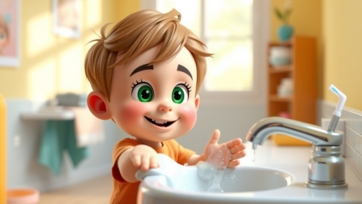
Teaching children good hygiene habits early sets the foundation for a healthy lifestyle. Kids who understand personal hygiene are less likely to get sick, can prevent the spread of germs, and develop self-confidence. Parents and caregivers play a crucial role in guiding children to practice daily habits that promote cleanliness and wellness. Why Good Hygiene is Important for Kids: Good hygiene helps prevent illnesses like colds, flu, skin infections, and stomach problems. It also teaches children responsibility, discipline, and the importance of self-care. When children adopt proper hygiene routines, they not only protect themselves but also contribute to a healthier environment at home and school. The Role of Parents and Caregivers: Parents can make hygiene fun by using colorful soaps, kid-friendly toothbrushes, and reward charts. Modeling good behavior, like washing hands before meals and brushing teeth twice a day, encourages children to follow suit. Daily Hygiene Practices Kids Should Follow: Children should learn and practice daily hygiene routines from an early age. Consistency helps these habits become a part of their lifestyle. Handwashing: Handwashing is the most effective way to prevent germs. Teach kids to wash hands: Before eating or touching food After using the toilet After playing outside or with pets Using soap and warm water for at least 20 seconds ensures thorough cleaning. Fun songs or timers can make handwashing enjoyable. Brushing and Dental Care: Proper dental hygiene is crucial for healthy teeth and gums. Kids should: Brush teeth at least twice daily Use fluoride toothpaste Floss once a day Visit the dentist regularly Brushing should last for 2 minutes, covering all areas of the mouth. Let children pick fun toothbrushes or flavored toothpaste to make the routine engaging. Bathing and Skin Care: Daily baths remove dirt, sweat, and germs. Use gentle soaps suitable for children. Teach kids to: Wash underarms, behind ears, and between toes Dry themselves properly to prevent fungal infections Apply moisturizer if skin is dry Bathing routines not only keep kids clean but also boost their confidence and comfort. Hair Care: Regular hair washing prevents lice, dandruff, and scalp infections. For kids: Shampoo hair 2–3 times per week (or as needed) Comb hair daily to prevent tangles Keep hair neat and tidy Long hair should be tied back during play or school to avoid dirt accumulation. Nail Care: Dirty or long nails can harbor bacteria. Teach children to: Trim nails regularly Wash hands thoroughly after nail trimming Avoid biting nails This reduces the risk of infections and promotes neatness. Teaching Kids Hygiene at School and Outdoors: Good hygiene is not only for home but also for school and outdoor activities. Children should: Carry a small hand sanitizer Avoid sharing personal items like towels, combs, and water bottles Cover mouth while coughing or sneezing Reinforcing these habits in school ensures children remain healthy and responsible in public spaces. Healthy Habits for Preventing Germ Spread: Promoting healthy habits reduces the chance of spreading infections among kids. These include: Regularly washing hands Avoiding touching the face with unwashed hands Sneezing or coughing into elbows or tissues Keeping personal items separate The Importance of Routine: Consistency is key. Establishing a daily hygiene routine helps children remember and perform tasks without reminders. Morning and bedtime routines should include handwashing, brushing, bathing, and dressing neatly. Encouraging Kids with Fun and Rewards: Children respond well to encouragement. Use charts, stickers, or small rewards to make hygiene exciting. Praise and positive reinforcement build long-term habits and make children proud of their cleanliness. Using Educational Tools: Books, videos, and interactive games about germs and cleanliness can educate children about hygiene in an engaging way. Schools and parents can collaborate to teach these lessons effectively. Conclusion: Teaching kids good hygiene is essential for their health, confidence, and social development. By incorporating daily routines, fun activities, and positive reinforcement, children can develop lifelong habits that protect them from illnesses and promote overall wellness. Healthy habits learned in childhood become the foundation for a healthy adult life.