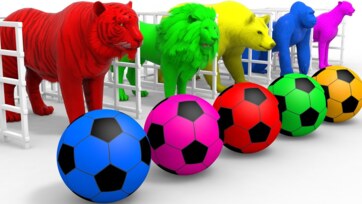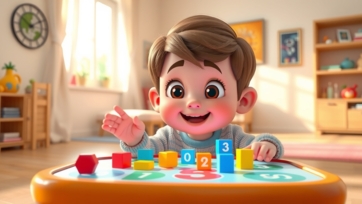
Shapes are all around us! Learning about different shapes helps children understand geometry, patterns, and spatial awareness. Shapes make the world colorful and fun, and recognizing them is an important early math skill.
Why Learning Shapes is Important:
-
Shapes help children recognize objects around them.
-
Learning shapes improves creativity and problem-solving.
-
Shapes are the foundation for geometry and math skills.
-
Understanding shapes helps kids draw, build, and explore patterns.
Common Shapes and Their Features:
1. Circle:
-
Round with no corners or edges.
-
Examples: ball, clock, plate, wheel.
-
Fun Activity: Trace circles with a cup or lid.
2. Square:
-
Has 4 equal sides and 4 corners.
-
Examples: window, chessboard, box.
-
Fun Activity: Find squares around the house.
3. Triangle:
-
Has 3 sides and 3 corners.
-
Examples: pizza slice, roof, traffic sign.
-
Fun Activity: Use straws or sticks to make triangles.
4. Rectangle:
-
Has 4 sides, 2 long and 2 short.
-
Examples: door, book, table.
-
Fun Activity: Cut colored paper into rectangles.
5. Oval:
-
Looks like an egg, round but longer.
-
Examples: egg, rugby ball, mirror.
-
Fun Activity: Draw ovals with pencils or markers.
6. Star:
-
Has points extending from the center.
-
Examples: starfish, decoration, night sky.
-
Fun Activity: Draw stars and color them brightly.
7. Heart:
-
A symbol of love, curved on top and pointed at the bottom.
-
Examples: heart shapes in cards or decorations.
-
Fun Activity: Cut heart shapes from colored paper.
Fun Ways to Learn Shapes:
1. Shape Hunt Game:
-
Look around the house or school and find objects in different shapes.
-
Children can count how many circles, squares, or triangles they see.
2. Shape Drawing and Coloring:
-
Draw simple shapes and ask children to color or decorate them.
-
Helps with recognition and creativity.
3. Build Shapes with Toys:
-
Use blocks, Lego, or sticks to create different shapes.
-
Encourages hands-on learning and fine motor skills.
4. Shape Sorting Activity:
-
Give children cut-out shapes and ask them to sort by type or color.
-
Teaches classification and observation skills.
Story Example: Shapes Adventure:
Lily went on a shape adventure around her home:
-
She found a circle plate, a square window, and a triangle roof.
-
She counted and drew each shape in her notebook.
-
By the end of the day, Lily could identify all shapes and even help her friends learn them.
Lesson: Learning shapes can be a fun exploration in daily life.
Interactive Games for Shapes:
-
Shape Matching: Match objects to their shapes.
-
Shape Puzzle: Solve puzzles using triangles, squares, or circles.
-
Shape Drawing Race: Children draw shapes quickly on paper.
-
Shape Sorting Hunt: Find items of each shape around the room.
Interesting Comparisons for Kids:
-
Circles are like wheels or clock faces.
-
Triangles are like pizza slices or roofs of houses.
-
Squares are like chessboards or gift boxes.
-
Rectangles are like doors or books.
Tip: Compare shapes with real objects in the child’s environment to make learning practical and fun.
Tips to Learn Shapes Quickly:
-
Practice Daily: Observe shapes in your home or classroom.
-
Use Real Objects: Relate shapes to toys, furniture, or food.
-
Interactive Games: Play matching, sorting, and drawing games.
-
Storytelling: Make fun stories around shapes to engage memory.
Conclusion:
Learning shapes is an exciting adventure! By recognizing circles, squares, triangles, and more, children develop math, creativity, and observation skills. With games, stories, and hands-on activities, kids can enjoy learning about shapes in a fun and practical way. Shapes are everywhere, and exploring them makes learning colorful, interactive, and enjoyable.