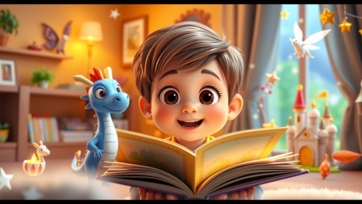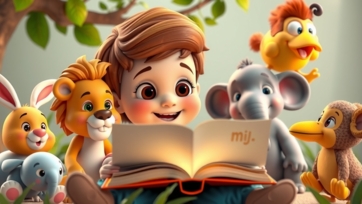
Fun rhymes and poems are a delightful way to engage children in language learning, creativity, and imagination. Kids enjoy the rhythm, repetition, and playful words, which help them develop reading, speaking, and memory skills. Incorporating rhymes and poems into daily routines encourages a love for storytelling and literacy from an early age.
Why Rhymes and Poems are Important for Kids:
Rhymes and poems help children with pronunciation, vocabulary, and sentence structure. They also enhance cognitive skills, auditory memory, and listening comprehension. When kids enjoy reciting poems, they develop confidence and express emotions in a healthy way.
The Role of Parents and Educators:
Parents and teachers can read rhymes aloud, encourage children to memorize short verses, and even create their own poems together. Interactive reading sessions make learning fun, and role-playing through rhymes can improve communication and social skills.
Types of Fun Rhymes and Poems:
Different kinds of rhymes and poems appeal to children depending on their age and interests.
Nursery Rhymes:
Classic nursery rhymes like “Twinkle Twinkle Little Star” or “Humpty Dumpty” are great for toddlers. They are simple, repetitive, and easy to memorize, helping young children develop early literacy skills.
Animal Rhymes:
Rhymes about animals teach children about different creatures and their behaviors. For example, poems about cats, dogs, or jungle animals combine fun with learning about nature and empathy for living beings.
Counting and Alphabet Poems:
Rhymes that include numbers and letters make learning math and language enjoyable. Counting rhymes and alphabet poems help children remember sequences and improve cognitive development.
How to Make Rhymes Fun for Kids:
Engaging children with rhymes involves more than reading. Activities and interactive methods enhance the experience.
Singing and Actions:
Sing rhymes instead of just reading them. Adding hand movements, gestures, or dances makes learning fun and aids memory retention.
Creating Their Own Poems:
Encourage children to write their own short rhymes or poems about family, friends, or animals. This fosters creativity, self-expression, and storytelling skills.
Storytelling Through Poems:
Use poems to tell short stories. Rhyming stories capture attention, build imagination, and teach morals or life lessons in an entertaining way.
Tips for Parents to Encourage Poem Reading:
-
Read Daily: Make rhymes part of the bedtime or morning routine.
-
Interactive Learning: Ask children to guess rhyming words or complete verses.
-
Use Visual Aids: Illustrate poems with drawings or props to make them engaging.
-
Recitation Practice: Let kids recite poems in front of family to build confidence.
-
Connect with Themes: Use rhymes to teach seasons, animals, and nature.
Benefits of Rhymes and Poems for Kids:
Children who enjoy rhymes develop better memory, language skills, creativity, and emotional expression. They also gain listening skills, confidence, and an appreciation for literature from an early age.
Conclusion:
Fun rhymes and poems for kids are more than just entertainment—they are a powerful tool for learning, creativity, and social development. Through interactive reading, singing, and writing, children can explore language, build confidence, and enjoy the magic of words. Parents and educators play a key role in making rhymes an engaging and educational experience for every child.