Respect Everyone – Moral Story for Children

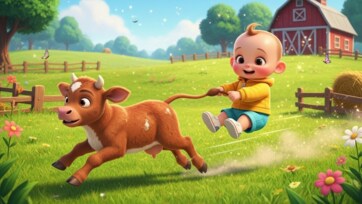
In a vibrant village called Harmony Town, there lived a curious boy named Aarav. Aarav was smart and playful, but sometimes he didn’t treat everyone with respect. He would tease younger children, ignore elders’ advice, and laugh at animals.

This kids moral story teaches children the importance of respecting everyone — young or old, big or small — and how respect creates harmony and happiness.


Aarav and the Village Elder:

One sunny morning, Aarav was running through the village square when he bumped into Grandfather Ramesh, a wise elder. Instead of saying sorry, Aarav laughed and ran away.

Grandfather Ramesh sighed and said, “Aarav, respecting everyone, even in small ways, shows a true heart.”

Aarav shrugged, thinking he didn’t need to listen.


The Lesson from the Lost Lamb:

The next day, Aarav was walking near the meadow and saw a lost lamb crying. He wanted to play with it but ignored its bleating. The lamb wandered into the riverbank and got stuck.

Aarav realized that if he hadn’t ignored the lamb, it wouldn’t have been in trouble. He quickly ran to help and saved it.

Understanding Respect:

He thought, “Respect is not just about people; it’s about caring for everyone, even animals.”


Helping Friends and Neighbors:

A few days later, the village organized a fair. Aarav noticed that his friend Meera was struggling to carry baskets of vegetables. Remembering the lamb, Aarav immediately offered help.

“Thank you, Aarav!” Meera said happily. Aarav smiled, feeling proud and happy for helping. He realized respecting and helping others felt wonderful.


Grandfather Ramesh’s Advice:

That evening, Grandfather Ramesh called Aarav. “Do you see, Aarav? Respect and kindness make life better. When you respect everyone, people trust and love you.”

Aarav nodded. “I understand now. I will respect everyone, no matter who they are.”


Respect in Everyday Life:

Aarav started to:

  • Greet elders politely

  • Listen carefully to friends

  • Help animals and younger children

  • Value everyone’s feelings

Soon, Aarav became a role model in Harmony Town. Other children followed his example, and the village grew happier and more peaceful.


Why Respect Matters:

This story teaches children:

  • Respect builds trust and love

  • Treating everyone fairly creates harmony

  • Small acts of respect can make big differences

  • Respecting others also improves your own character

True Wisdom:

Respect is the foundation of friendship, trust, and happiness.


Moral of the Story:

Respect Everyone shows that kindness, humility, and respect bring happiness, trust, and strong relationships in life.


Why Kids Should Read This Story:

This children’s moral story helps kids:

  • Understand the importance of respecting everyone

  • Learn how small acts of kindness and respect matter

  • Develop empathy, humility, and good behavior

  • Apply respect in everyday life with family, friends, and community

Parents and teachers can use this story as a bedtime tale or classroom moral lesson to teach children the value of respect.


Final Message:

🌟 Always be kind, listen carefully, and respect everyone — it makes the world a happier place. 🌟



Advertisement
Fun Learning Games for Kids at Home
Learning doesn’t have to be boring—fun learning games at home make education interactive, exciting, and memorable. These games help children develop important skills such as problem-solving, critical thinking, creativity, and teamwork. With simple materials and activities, parents can create an engaging learning environment that children enjoy. Why Learning Games are Important for Kids: Games provide a hands-on approach to learning, helping children retain information better. They improve focus, memory, and logical thinking while making lessons enjoyable. Fun learning games also build confidence, social skills, and a love for exploring new concepts. The Role of Parents and Caregivers: Parents and caregivers can guide learning through games by participating, explaining rules, and encouraging creativity. Active involvement ensures children learn the intended concepts while enjoying the play experience. Types of Fun Learning Games for Kids: There are various types of games that children can play at home to learn while having fun. Educational Board Games: Board games like Scrabble, Monopoly Junior, and Math Bingo teach language, math, and strategy skills. These games also improve social skills as kids take turns, follow rules, and interact with others. Memory and Matching Games: Memory cards, matching shapes, or picture pairs help improve concentration, attention to detail, and visual memory. Kids learn to recognize patterns, enhance recall, and practice problem-solving. Puzzle Games: Jigsaw puzzles, Sudoku for kids, and logic puzzles challenge the brain and develop spatial reasoning, patience, and analytical thinking. Puzzles also promote perseverance and satisfaction when completed successfully. Interactive Learning Games at Home: Interactive games combine fun with learning using simple household items or digital platforms. Math Games: Counting Games: Use coins, beads, or toys to practice addition, subtraction, or multiplication. Number Hunt: Hide numbers around the house for kids to find and solve math problems. Math Bingo: Create bingo cards with numbers or math equations for an engaging challenge. Language and Literacy Games: Word Hunt: Hide letters or words around the room and have kids form sentences. Story Building: Take turns adding sentences to create a collaborative story. Alphabet Relay: Children match letters to objects in the house to reinforce vocabulary. Science and Exploration Games: Mini Experiments: Conduct simple experiments, like vinegar and baking soda reactions, to learn about chemical reactions. Nature Scavenger Hunt: Find leaves, rocks, or flowers in the garden and categorize them. Observation Challenges: Ask children to notice changes in weather, plants, or animals and record findings. Physical Learning Games: Combining movement with learning improves physical fitness and cognitive development. Active Math Games: Jump or hop to answer math questions written on cards placed around the room. This combines exercise with problem-solving. Alphabet and Word Movement Games: Spread letters or words on the floor and ask children to step on the correct answers. These games enhance literacy, memory, and gross motor skills. Outdoor Learning Games: Obstacle Courses: Incorporate counting, spelling, or shape recognition into outdoor obstacle challenges. Ball Toss Math: Toss a ball and solve a math question before catching it. Nature Bingo: Use natural objects like leaves, flowers, and stones for a bingo game that teaches observation and categorization. Digital Learning Games: Educational apps and online platforms offer interactive games for children to learn while having fun. Math and Logic Apps: Solve puzzles, practice calculations, and enhance problem-solving skills. Language Apps: Learn vocabulary, spelling, and pronunciation through interactive games. Science Apps: Explore experiments, simulations, and interactive videos to learn scientific concepts. Tips to Make Learning Games Effective: Keep Sessions Short: Young children learn best in 15–30 minute bursts. Make It Fun: Focus on enjoyment rather than just results. Encourage Creativity: Allow kids to create rules, designs, or variations of games. Reward Participation: Praise efforts and celebrate achievements to build confidence. Balance Screen and Offline Play: Combine digital and hands-on learning for variety. Benefits of Fun Learning Games for Kids: Develop cognitive, motor, and social skills. Boost memory, attention, and problem-solving abilities. Make learning interactive, enjoyable, and engaging. Foster creativity, imagination, and teamwork. Build confidence and a positive attitude toward learning. Conclusion: Fun learning games for kids at home provide an exciting and effective way to combine education and play. Whether using board games, interactive activities, outdoor challenges, or digital apps, children can develop important skills while enjoying themselves. Parents and caregivers can maximize the benefits by actively participating, encouraging creativity, and balancing play with learning. With engaging learning games, children develop curiosity, confidence, and a love for discovering new things.
Amazing Facts About Space for Kids
Space is one of the most exciting and mysterious topics for children. The universe is full of stars, planets, moons, and galaxies that spark curiosity and imagination. Learning about space helps kids understand science in a fun way and encourages them to ask big questions about the world beyond Earth. In this article, we will explore amazing facts about space for kids that are easy to understand, interesting, and perfect for young learners. What Is Space and Why Is It Important to Learn About It: Space is the vast area beyond Earth’s atmosphere where planets, stars, and galaxies exist. Scientists study space to learn how the universe was formed and how it continues to change. Learning about space is important for kids because it: Builds curiosity and imagination Improves scientific thinking Encourages interest in astronomy and science Helps understand Earth’s place in the universe Amazing Space Facts That Will Surprise Kids: 1. Space Is Completely Silent: There is no air in space, which means sound cannot travel. Even if a huge explosion happens in space, no one can hear it. This helps kids understand how sound waves need air to move. 2. The Sun Is a Star: Many kids think the Sun is different from stars, but it is actually a giant star made of hot gases. It looks bigger because it is closer to Earth than other stars. 3. The Moon Has No Air: The Moon does not have an atmosphere like Earth. That’s why astronauts must wear special space suits to breathe and stay safe. 4. A Day on Venus Is Longer Than a Year: Venus rotates very slowly. One day on Venus takes longer than one full year on that planet. This fact helps kids learn about planetary motion. Interesting Facts About Planets in Our Solar System: Mercury Is the Fastest Planet: Mercury moves around the Sun faster than any other planet. One year on Mercury is much shorter than a year on Earth. Jupiter Is the Biggest Planet: Jupiter is so large that all the other planets could fit inside it. It also has a giant red storm called the Great Red Spot. Saturn Has Beautiful Rings: Saturn is famous for its bright rings made of ice and rock. These rings make Saturn one of the most beautiful planets in space. Mars Is Called the Red Planet: Mars looks red because of rust-like dust on its surface. Scientists believe Mars may have had water in the past. Fun and Shocking Space Facts for Kids: Astronauts Grow Taller in Space: In space, astronauts can grow taller because there is no gravity pushing their spine down. This shows how gravity affects our bodies. Stars Twinkle Only From Earth: Stars appear to twinkle because Earth’s atmosphere bends their light. In space, stars shine steadily. There Are More Stars Than Sand Grains: Scientists believe there are more stars in the universe than grains of sand on all the beaches on Earth. This fact shows how huge the universe is. You Cannot Walk Normally on the Moon: The Moon has much less gravity than Earth. Astronauts hop instead of walking, which looks like slow-motion jumping. Facts About Astronauts and Space Travel: Astronauts Wear Special Suits: Space suits protect astronauts from extreme temperatures and help them breathe in space. Space Has Extreme Temperatures: Space can be extremely hot or extremely cold, depending on where you are. This teaches kids about heat and energy. Living in Space Is Very Different: Astronauts float while eating, sleeping, and working. Even simple tasks become challenging without gravity. Why Kids Love Learning About Space: Space is full of mysteries and exciting discoveries. Kids enjoy learning about rockets, astronauts, and planets because it feels like an adventure. Space science also inspires creativity, imagination, and future dreams of becoming astronauts or scientists. How Parents and Teachers Can Teach Space in a Fun Way: Use Visuals and Videos: Pictures, models, and animations help kids understand space better. Try Simple Space Activities: Making planet models or watching the night sky makes learning more interactive. Encourage Questions: Let kids ask questions about stars and planets to build curiosity and confidence. Conclusion: Space is a fascinating subject that captures the imagination of children. From silent galaxies and giant planets to astronauts floating in space, the universe is full of amazing facts waiting to be discovered. Teaching kids about space not only builds knowledge but also encourages curiosity, creativity, and a love for science. With these amazing facts about space for kids, learning becomes an exciting journey beyond Earth.
What Is Gravity? Simple Science for Kids
Have you ever wondered why when you jump, you always come back down? Or why apples fall from trees? This happens because of a magical force called gravity! This kids science story explains gravity in a simple and fun way, helping children understand one of the most important forces in the universe. Gravity Keeps Us on the Ground: Gravity is an invisible force that pulls objects toward each other. The most important gravity we feel every day comes from the Earth. It keeps our feet on the ground and stops us from floating into the sky! Imagine trying to walk, jump, or play without gravity — everything would float around, and it would be very hard to do normal things. Gravity and Falling Objects: If you drop a ball, it falls to the ground. Why? Because gravity pulls it down. Even water, books, and leaves fall because of gravity. This force is everywhere and works all the time, even when we cannot see it. Fun Fact: Sir Isaac Newton, a smart scientist, discovered gravity when he saw an apple fall from a tree. He realized the Earth was pulling the apple toward itself with a force — we now call it gravity! Gravity in Space: Gravity doesn’t only exist on Earth. Planets, stars, and moons also have gravity. The Earth pulls the Moon and keeps it circling around us. The Sun’s gravity keeps the planets, including Earth, moving around it. Without gravity, the Moon would drift away, and life on Earth would be very different. Gravity and Everyday Life: Gravity helps us in many ways: Walking and running: Keeps us on the ground Playing sports: Helps balls fall and bounce Water and rain: Pulls water down to Earth Keeping oceans in place: Stops water from floating into space Even though we cannot see gravity, we feel it all the time in our daily activities. Experiments to See Gravity: Kids can try simple experiments to understand gravity: Drop a ball from a chair and see it fall. Drop different objects like a pencil, apple, or leaf and notice how gravity pulls them down. Jump up and down and feel gravity pull you back to the ground. These experiments show that gravity works everywhere and affects everything, big or small. Why Gravity Is Important: Gravity is essential for life. Without it: Water would not stay in rivers and oceans Plants and trees couldn’t grow properly Animals and humans would float away The Earth and Moon would drift apart Gravity keeps our world balanced and safe. Moral of the Story: Gravity is a magical force that pulls objects together and keeps everything in place. Understanding gravity helps kids learn science in a fun and exciting way. Why Kids Should Read This Story: This simple science story for kids helps children: Learn about gravity in an easy-to-understand way Discover how science affects everyday life Encourage curiosity and experimentation Build a love for science and learning Parents and teachers can use this story to teach basic physics and science concepts in a fun and engaging way. Final Message: 🌍 Gravity is invisible, powerful, and everywhere — it keeps us safe, helps us move, and makes our world work perfectly! 🌍
Basic Fractions Explained Simply
Fractions are a way to show parts of a whole. Learning fractions helps children understand sharing, dividing objects, and everyday math. With simple examples, fun activities, and visual aids, kids can learn fractions easily and enjoyably! Why Learning Fractions is Important: Fractions are everywhere in daily life. They help children: Divide and share: Cut cakes, pizzas, or candies equally. Understand parts of a whole: Learn that a whole can be split into pieces. Improve math skills: Fractions are the foundation for decimals and percentages. Solve real-life problems: Cooking, measuring, and crafting often involve fractions. What is a Fraction: A fraction is made up of two parts: Numerator: The top number tells how many parts you have. Denominator: The bottom number tells how many equal parts the whole is divided into. Example: 1/2 → One part out of two equal parts. 3/4 → Three parts out of four equal parts. Fun Activity: Cut an apple into 2 halves. Ask your child: “We have 1 out of 2 pieces. That’s 1/2!” Common Fractions and Examples: Half (1/2): One of two equal parts. Examples: Half a pizza, half a glass of water. Thirds (1/3, 2/3): Divide a whole into 3 equal parts. Example: Divide a chocolate bar into 3 pieces. Each piece = 1/3. Quarters (1/4, 2/4, 3/4): Divide a whole into 4 equal parts. Example: Cut a sandwich into 4 pieces. Each = 1/4. Activity: Use colored paper or fruits to visualize halves, thirds, and quarters. Fun Fraction Activities for Kids: Fraction Pizza Game: Draw a pizza and divide it into slices. Ask your child to color 1/2, 1/3, or 1/4 of the pizza. Sharing Candies: Give 8 candies to 2 kids equally → Each gets 4 → 4/8 = 1/2 Practice with different numbers to show fractions in real life. Fraction Stories: “Lina had 6 cupcakes. She gave 3 to her friends. What fraction did she give?” Encourage children to write the fraction: 3/6 = 1/2 Tips for Easy Learning: Use Real Objects: Fruits, toys, and candies make fractions visible. Practice Daily: Short, fun activities help children remember fractions. Visual Aids: Draw circles, squares, or rectangles to show fractions. Relate to Life: Show fractions in cooking, sharing, or games. Conclusion: Basic fractions are easy to learn when children see, touch, and divide real objects. By practicing with food, toys, and drawings, kids can understand halves, thirds, quarters, and other fractions. Learning fractions helps children share, measure, and solve math problems, making math both fun and useful!
Helping Others Makes You Happy
In a cheerful village named Rainbow Valley, there lived a kind-hearted boy named Samir. Samir loved to play, read stories, and explore the village, but what made him special was his willingness to help everyone around him. He always believed that helping others brings joy, not just to them, but also to the person who helps. This kids moral story teaches children the value of kindness, generosity, and the happiness that comes from helping others. Samir and His Daily Acts of Kindness: Every morning, Samir would greet his neighbors with a smile. He helped his elderly neighbor carry water, assisted his younger sister with homework, and shared his snacks with friends. Samir’s mother often said, “Samir, a heart that helps others is always full of happiness.” Samir truly believed in her words and lived by them every day. A Surprise for the Village: One day, the village school organized a small festival. Children were asked to bring food, toys, and clothes to share with families who needed them. Samir gathered his toys, storybooks, and snacks and happily took them to school. When he reached the festival, he saw many children sharing their belongings. Some were shy, but Samir encouraged them, saying, “Sharing and helping makes everyone happy, including us!” Helping the Lost Puppy: While walking home from school, Samir heard a small whimper. Behind a bush, he found a little puppy trapped in some ropes. The puppy struggled and looked scared. Samir quickly untangled the ropes and patted the puppy gently. The puppy wagged its tail and followed Samir home. Samir fed him and found his owner in the village. The owner thanked Samir with tears in her eyes. Joy of Helping: Samir felt a warm happiness in his heart. Helping the puppy made him feel proud, and he realized how wonderful it is to care for others. Helping Friends and Family: At home, Samir continued his small acts of kindness. He helped his sister paint a picture, cleaned his neighbor’s garden, and gave food to stray animals. Each time, he felt happier and more confident. The villagers noticed Samir’s good heart. They started following his example, creating a community filled with care, sharing, and happiness. Why Helping Others Makes You Happy: This story teaches children that: Kindness spreads joy to both giver and receiver Helping others strengthens friendships Small acts of care can make a big difference Being thoughtful creates a happy community True Happiness Explained: Happiness grows when you make someone else smile. The more you help, the brighter your heart shines. Moral of the Story: Helping others makes you happy. Acts of kindness, sharing, and care bring joy that lasts longer than selfish pleasures. Why Kids Should Read This Story: This children’s moral story helps kids: Learn the value of helping and sharing Understand the joy of doing good deeds Build empathy and care for others Develop positive habits and strong moral character Parents and teachers can use this story as a bedtime tale or classroom lesson to teach kindness and generosity. Final Message: 💖 Be kind, help others, and remember — every small act of goodness brings happiness to the world and your heart. 💖
Easy Chemistry Experiments for Beginners
Chemistry is the science that explains how different substances react, mix, and change. For beginners, chemistry can seem confusing, but with easy and safe experiments, learning becomes fun and exciting. Simple chemistry experiments help children and beginners understand basic concepts using everyday household items. In this article, we will explore easy chemistry experiments for beginners that are perfect for kids and anyone starting their science journey. Why Chemistry Experiments Are Good for Beginners: Chemistry experiments help beginners learn by observing real reactions instead of just reading about them. Chemistry experiments help beginners: Understand basic chemical reactions Improve observation and thinking skills Learn science through hands-on activities Build confidence and curiosity Enjoy learning in a fun way Starting with simple experiments creates a strong foundation for future science learning. Basic Chemistry Concepts Explained Simply: Before trying experiments, beginners should understand a few simple ideas. Chemical Reaction: A chemical reaction happens when substances mix and change into something new. Acids and Bases: Acids and bases are different types of substances that react with each other. Solids, Liquids, and Gases: Matter exists in three main forms, and chemistry helps us understand how they change. Safety in Chemistry: Using safe materials and adult supervision is very important for beginners. Easy and Safe Chemistry Experiments for Beginners at Home: 1. Baking Soda and Vinegar Reaction: Materials Needed:Baking soda, vinegar, cup How to Do It:Put baking soda into a cup and slowly add vinegar. What You Learn:This shows a chemical reaction that produces carbon dioxide gas, causing bubbles and fizzing. 2. Color-Changing Cabbage Water Experiment: Materials Needed:Red cabbage, hot water, cups, vinegar, baking soda How to Do It:Soak cabbage in hot water to make purple liquid. Add vinegar to one cup and baking soda to another. What You Learn:This experiment shows how acids and bases change color. 3. Dissolving Sugar in Water: Materials Needed:Water, sugar, spoon How to Do It:Add sugar to water and stir until it disappears. What You Learn:This teaches how substances dissolve to form solutions. 4. Homemade Fizzy Drink Experiment: Materials Needed:Water, baking soda, lemon juice How to Do It:Mix baking soda with lemon juice in water. What You Learn:Acids and bases react to produce gas, creating fizz. Fun Chemistry Experiments Using Household Items: 5. Invisible Ink Experiment: Materials Needed:Lemon juice, cotton swab, paper, heat source How to Do It:Write with lemon juice and heat the paper gently. What You Learn:Heat causes a chemical change, making the writing visible. 6. Growing Sugar Crystals: Materials Needed:Sugar, hot water, jar, string How to Do It:Dissolve sugar in hot water and let it cool slowly. What You Learn:This shows crystal formation and evaporation. 7. Mixing Oil and Water Experiment: Materials Needed:Oil, water, clear glass How to Do It:Mix oil and water and observe. What You Learn:Some liquids do not mix, showing different densities. Simple Chemistry Experiments That Teach Gas and Air: 8. Balloon Inflation Without Blowing: Materials Needed:Balloon, bottle, baking soda, vinegar How to Do It:Put baking soda in a balloon and vinegar in a bottle. Attach the balloon and let them mix. What You Learn:Gas produced in a reaction can inflate objects. 9. Floating Soap Bubbles Experiment: Materials Needed:Soap solution, straw How to Do It:Blow bubbles and observe how they float. What You Learn:This teaches about gases trapped inside liquids. Chemistry Experiments with Color and Change: 10. Magic Milk Experiment: Materials Needed:Milk, food coloring, dish soap How to Do It:Add soap to colored milk and watch patterns form. What You Learn:Soap reacts with fat molecules, showing chemical movement. 11. Rust Formation Experiment: Materials Needed:Iron nail, water How to Do It:Place the nail in water and wait a few days. What You Learn:This shows oxidation and chemical change over time. Safety Tips for Beginner Chemistry Experiments: Always have adult supervision Use only safe household items Never taste chemicals Wash hands after experiments Read instructions carefully Safety makes learning chemistry enjoyable and worry-free. How Parents and Teachers Can Help Beginners Learn Chemistry: Encourage Curiosity: Let beginners ask questions and explore. Explain Results Simply: Use easy words to explain what happened. Repeat Experiments: Repeating helps understanding and confidence. Connect to Daily Life: Explain how chemistry works in cooking, cleaning, and nature. What Beginners Learn from Chemistry Experiments: Through easy chemistry experiments, beginners learn: How substances react Why colors change How gases form Observation and thinking skills These experiments turn beginners into young scientists. Conclusion: Chemistry does not have to be difficult for beginners. With simple, safe, and fun experiments, anyone can learn basic chemistry concepts at home. These easy chemistry experiments for beginners help build curiosity, confidence, and a love for science. By learning through hands-on activities, beginners can enjoy chemistry and understand how it works in everyday life.
Fun Ways to Teach Kids About Time and Clocks
Learning about time is an important life skill for children. Understanding hours, minutes, and seconds helps kids manage their day, develop routines, and improve punctuality. Teaching time can be fun and interactive, using games, hands-on activities, and creative methods that make learning clocks enjoyable and memorable. Why Learning About Time is Important for Kids: Time management skills help children stay organized, follow schedules, and plan activities effectively. Understanding clocks and time concepts strengthens cognitive abilities, improves focus, and prepares children for school and everyday life. Early exposure to time concepts also builds independence and responsibility. The Role of Parents and Educators: Parents and teachers play a key role in teaching time. They can provide guidance, use visual tools, and incorporate fun activities to make learning engaging. Encouraging children to practice telling time and reinforcing concepts through daily routines helps solidify their understanding. Basic Concepts of Time for Kids: Before diving into clocks, children need to understand basic time concepts. Seconds, Minutes, and Hours: Seconds: The smallest unit of time, often used for quick activities or games. Minutes: 60 seconds make a minute, used for short tasks like brushing teeth. Hours: 60 minutes make an hour, used to measure longer activities like school or playtime. Morning, Afternoon, Evening, and Night: Teaching parts of the day helps children associate activities with time. For example, morning is for breakfast and school, evening for dinner, and night for sleep. Using Clocks to Teach Time: Clocks are essential tools for teaching children how to tell time. Analog Clocks: Use hour and minute hands to demonstrate time visually. Practice moving the hands to specific times. Explain the relationship between hours, minutes, and seconds. Digital Clocks: Digital clocks show time numerically, which is easy for children to read. Compare digital and analog clocks to understand different representations of time. Interactive Clock Toys: Toys with movable hands and colorful numbers make learning hands-on. Encourage kids to set the clock for daily activities, meals, or bedtime routines. Fun Activities to Teach Time: Interactive activities make learning about time enjoyable and memorable. Time Matching Games: Create cards with clock faces and matching digital times. Children match the analog and digital versions, reinforcing understanding. Daily Routine Chart: Help kids create a chart with pictures and times for meals, school, play, and bedtime. Associating activities with time strengthens comprehension. Clock Craft Projects: Make paper plate clocks with movable hands. Decorate with colors, stickers, and numbers. Use these crafts for practice and play-based learning. Time Treasure Hunt: Hide objects around the house and assign them times to find. For example, “Find the toy at 3:00 PM.” This teaches both reading clocks and following schedules. Games to Reinforce Time Skills: Games make learning time interactive and fun. What Time Is It, Mr. Wolf?: Children ask the “wolf” for the time and move steps accordingly. Time Bingo: Use cards with different times and call out clock readings. Stopwatch Challenges: Children time themselves during activities like running, drawing, or completing puzzles. Using Technology to Teach Time: Educational apps and online games can reinforce time-telling skills. Digital clocks, animated tutorials, and interactive quizzes provide engaging practice. Combining screen-based and hands-on learning improves retention and understanding. Tips for Teaching Time Effectively: Start Simple: Introduce hours before minutes and seconds. Use Real-Life Examples: Point out times for meals, school, or bedtime. Practice Daily: Reinforce learning through everyday activities. Make It Visual: Use clocks, charts, and visual aids to simplify concepts. Be Patient: Learning time can take weeks, so encourage and praise effort. Benefits of Learning Time for Kids: Enhances cognitive and mathematical skills. Develops responsibility, organization, and independence. Improves daily routine management. Strengthens memory and attention. Builds confidence in reading clocks and following schedules. Conclusion: Teaching kids about time and clocks can be both fun and educational. Using analog and digital clocks, hands-on crafts, games, and daily routines helps children understand seconds, minutes, and hours. Parents and educators can make learning interactive, creative, and practical, ensuring children develop essential time-management skills. With engaging activities and consistent practice, children gain confidence in telling time and managing their day effectively.
Learn Counting 1 to 50 Quickly
Counting is one of the first math skills children learn. Knowing how to count from 1 to 50 helps kids with numbers, addition, subtraction, and understanding patterns. Learning counting can be fun and easy with games, songs, and creative activities. Why Counting is Important: Counting helps children recognize numbers. It builds the foundation for math skills like addition and subtraction. Counting improves memory, attention, and observation skills. It is useful in daily life, like counting toys, fruits, or steps. Step-by-Step Counting 1 to 50: Counting by Ones: Start with 1, 2, 3… up to 50. Practice slowly at first and then gradually increase speed. Fun Tip: Use fingers to count along. It helps children see and feel numbers. Group Counting: Divide numbers into groups of 10: 1–10 11–20 21–30 31–40 41–50 Fun Example: Use toys or fruits to make groups of 10. Count each group to understand numbers faster. Fun Activities to Learn Counting: 1. Number Line Hop: Draw a number line from 1 to 50 on the floor. Children hop from one number to the next while saying the numbers aloud. Helps with memory, coordination, and recognition. 2. Counting Objects: Collect toys, blocks, or stones. Ask children to count them in order from 1 to 50. Lesson: Numbers represent real objects. 3. Counting Songs: Sing counting songs from 1 to 50. Music makes learning fun and easier to remember. 4. Flashcards Game: Make number flashcards from 1 to 50. Shuffle them and ask children to arrange them in order. Great for visual memory and number recognition. Tips to Count Quickly: Practice Every Day: Counting daily helps children remember numbers faster. Use Fingers and Objects: This makes counting interactive and concrete. Break Into Groups: Counting in tens makes learning less overwhelming. Play Counting Games: Hide toys and ask children to find and count them. Story Example: Counting Adventure: Tommy the turtle wanted to collect 50 shiny pebbles for his collection. First, he counted 1–10 pebbles and placed them in a small basket. Then, he counted 11–20, then 21–30, until he reached 50. By counting in small groups, Tommy learned numbers faster and never got confused. Lesson: Breaking numbers into groups and practicing every day helps learn counting quickly. Fun Comparisons and Visual Tricks: Think of numbers like steps on a ladder. Each step is one number. Group numbers like rows of apples to understand counting patterns. Draw a number chart from 1 to 50 and color every ten numbers differently. Activity: Children can color numbers 1–10 red, 11–20 blue, 21–30 green, 31–40 yellow, and 41–50 purple. Interactive Games for Counting 1 to 50: Hopscotch Numbers: Draw 1–50 on hopscotch squares. Children jump while counting. Number Treasure Hunt: Hide cards with numbers 1–50 around the room. Ask children to find and arrange them. Counting Race: Line up objects and let children count them as fast as they can, checking accuracy. Count and Clap: Clap hands for each number while counting aloud. It improves memory and rhythm. Conclusion: Learning to count from 1 to 50 quickly is fun and easy with practice, games, and stories. By using fingers, objects, songs, and interactive activities, children can remember numbers and develop a strong foundation for math. Counting skills not only make learning numbers enjoyable but also prepare kids for addition, subtraction, and real-life math.