Importance of Brushing Teeth for Children

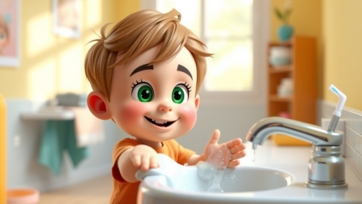
Brushing teeth is one of the most important daily habits children should learn from an early age. Healthy teeth help children eat, speak, and smile with confidence. Teaching kids the importance of brushing teeth helps prevent cavities, gum problems, and bad breath. In this article, we will explain the importance of brushing teeth for children in a simple, fun, and easy way.

Why Brushing Teeth Is Important for Children:

Good oral hygiene helps children:

  • Keep their teeth clean and strong

  • Prevent cavities and tooth decay

  • Avoid gum diseases and bad breath

  • Develop healthy habits for life

  • Smile with confidence

When children understand why brushing matters, they are more likely to do it regularly.

What Happens If Kids Do Not Brush Their Teeth:

If children do not brush their teeth properly:

  • Food particles stay on teeth

  • Germs and bacteria grow in the mouth

  • Cavities and toothaches can occur

  • Gums may become swollen or bleed

  • Teeth can become weak or damaged

Explaining these effects gently helps kids understand the importance of daily brushing.

How Brushing Teeth Keeps the Mouth Healthy:

1. Removes Food and Germs:

Brushing removes leftover food and harmful bacteria from teeth and gums.

2. Prevents Cavities:

Regular brushing stops plaque from damaging the teeth.

3. Keeps Breath Fresh:

Clean teeth and tongue help prevent bad breath.

4. Protects Gums:

Brushing gently keeps gums healthy and strong.

Correct Way to Brush Teeth for Kids:

1. Use a Soft Toothbrush:

Choose a toothbrush with soft bristles suitable for children.

2. Use a Pea-Sized Toothpaste:

Only a small amount of fluoride toothpaste is enough.

3. Brush for Two Minutes:

Brush all sides of the teeth slowly and gently.

4. Brush Twice a Day:

Once in the morning and once before bedtime.

5. Do Not Forget the Tongue:

Gently clean the tongue to remove germs.

Fun Tips to Encourage Kids to Brush Teeth:

  • Use colorful toothbrushes with favorite characters

  • Play a 2-minute brushing song or timer

  • Brush together as a family

  • Reward consistency with praise or stickers

  • Read stories or watch cartoons about dental care

Making brushing fun helps children enjoy the habit instead of avoiding it.

Role of Parents in Teaching Tooth Brushing:

Parents can help by:

  • Teaching the correct brushing method

  • Supervising young children while brushing

  • Setting a daily brushing routine

  • Taking children for regular dental checkups

  • Being a good role model by brushing daily

Children learn best by watching and copying adults.

Benefits of Brushing Teeth Daily for Children:

Children who brush their teeth regularly enjoy:

  • Strong and healthy teeth

  • Fewer dental problems

  • Fresh breath and clean mouth

  • Better overall health

  • Confidence in smiling and speaking

Healthy teeth play an important role in a child’s overall growth and well-being.

Conclusion:

The importance of brushing teeth for children cannot be ignored. By brushing twice a day using the correct method, children can protect their teeth, avoid pain, and develop a healthy smile for life. Teaching this habit early makes dental care a natural and easy part of everyday routine, helping children grow into healthy and confident adults.



Advertisement
How to Handle Anger: Tips for Kids
Anger is a normal emotion that everyone feels sometimes, including children. Learning how to manage anger helps kids express their feelings in healthy ways, make better decisions, and maintain positive relationships. In this article, we will explore how to handle anger: tips for kids with simple explanations, strategies, and fun activities to keep emotions under control. Why Managing Anger Is Important for Kids: Anger itself is not bad, but uncontrolled anger can cause problems at home, school, and with friends. Learning to manage anger helps children: Communicate feelings calmly Solve problems effectively Avoid conflicts and arguments Build strong friendships and relationships Develop emotional intelligence and self-control Teaching anger management early helps children respond to challenges positively. Understanding Anger in Children: Children may feel angry when: They don’t get what they want They feel frustrated or misunderstood They experience unfair treatment They face challenges or disappointments Recognizing these triggers helps children and adults respond appropriately. Tips to Help Kids Handle Anger: 1. Take Deep Breaths: Teach children to inhale slowly through the nose and exhale through the mouth when angry. Why It Helps: Deep breathing calms the body and mind, reducing intense emotions. 2. Count to Ten: Encourage kids to count slowly to ten before reacting. Why It Helps: Counting gives time to think and prevents impulsive actions. 3. Use Words to Express Feelings: Encourage children to say, “I feel angry because…” instead of yelling or hitting. Why It Helps: Expressing emotions with words improves communication and reduces conflicts. 4. Take a Break or Time-Out: Step away from a frustrating situation to calm down before responding. Why It Helps: A short break prevents saying or doing something hurtful. 5. Physical Activity: Running, jumping, or playing outside can release built-up energy and reduce anger. Why It Helps: Exercise helps the brain and body calm down naturally. Fun Activities to Teach Anger Management: 1. Anger Thermometer Activity: Draw a thermometer and let kids mark how angry they feel. Teach them strategies to lower the level step by step. What Kids Learn: Recognizing emotions and controlling reactions. 2. Storytime About Feelings: Read stories where characters manage anger effectively. Example: A story about a child learning patience after feeling frustrated. What Kids Learn: How characters handle anger and make positive choices. 3. Drawing or Journaling: Encourage children to draw or write about what made them angry. What Kids Learn: Expressing emotions creatively and safely. 4. Role-Playing Solutions: Act out situations where anger arises and practice calm responses. What Kids Learn: Problem-solving and coping strategies in real-life scenarios. How Parents and Teachers Can Support Anger Management: Model Calm Behavior: Children learn by watching adults. Listen and Validate Feelings: Acknowledge their emotions before offering solutions. Provide Tools and Strategies: Teach breathing exercises, counting, or expressing feelings. Praise Positive Responses: Recognize when children manage anger appropriately. Stay Patient and Consistent: Repetition helps children learn effective habits. Supportive guidance helps children develop long-term emotional control. Benefits of Learning Anger Management for Children: Children who learn to manage anger develop: Emotional intelligence and self-awareness Better relationships with peers and adults Problem-solving and decision-making skills Confidence in expressing feelings appropriately Reduced stress and frustration in daily life Handling anger effectively equips children with essential life skills for personal growth and social success. Conclusion: Learning to handle anger is an important skill that helps children navigate emotions, build positive relationships, and face challenges calmly. Through tips, stories, activities, and supportive guidance, children can understand how to express anger safely and constructively. Teaching anger management helps kids develop emotional intelligence, patience, and confidence, setting the foundation for a healthy and happy life.
Fun Ways to Teach Kids About Time and Clocks
Learning about time is an important life skill for children. Understanding hours, minutes, and seconds helps kids manage their day, develop routines, and improve punctuality. Teaching time can be fun and interactive, using games, hands-on activities, and creative methods that make learning clocks enjoyable and memorable. Why Learning About Time is Important for Kids: Time management skills help children stay organized, follow schedules, and plan activities effectively. Understanding clocks and time concepts strengthens cognitive abilities, improves focus, and prepares children for school and everyday life. Early exposure to time concepts also builds independence and responsibility. The Role of Parents and Educators: Parents and teachers play a key role in teaching time. They can provide guidance, use visual tools, and incorporate fun activities to make learning engaging. Encouraging children to practice telling time and reinforcing concepts through daily routines helps solidify their understanding. Basic Concepts of Time for Kids: Before diving into clocks, children need to understand basic time concepts. Seconds, Minutes, and Hours: Seconds: The smallest unit of time, often used for quick activities or games. Minutes: 60 seconds make a minute, used for short tasks like brushing teeth. Hours: 60 minutes make an hour, used to measure longer activities like school or playtime. Morning, Afternoon, Evening, and Night: Teaching parts of the day helps children associate activities with time. For example, morning is for breakfast and school, evening for dinner, and night for sleep. Using Clocks to Teach Time: Clocks are essential tools for teaching children how to tell time. Analog Clocks: Use hour and minute hands to demonstrate time visually. Practice moving the hands to specific times. Explain the relationship between hours, minutes, and seconds. Digital Clocks: Digital clocks show time numerically, which is easy for children to read. Compare digital and analog clocks to understand different representations of time. Interactive Clock Toys: Toys with movable hands and colorful numbers make learning hands-on. Encourage kids to set the clock for daily activities, meals, or bedtime routines. Fun Activities to Teach Time: Interactive activities make learning about time enjoyable and memorable. Time Matching Games: Create cards with clock faces and matching digital times. Children match the analog and digital versions, reinforcing understanding. Daily Routine Chart: Help kids create a chart with pictures and times for meals, school, play, and bedtime. Associating activities with time strengthens comprehension. Clock Craft Projects: Make paper plate clocks with movable hands. Decorate with colors, stickers, and numbers. Use these crafts for practice and play-based learning. Time Treasure Hunt: Hide objects around the house and assign them times to find. For example, “Find the toy at 3:00 PM.” This teaches both reading clocks and following schedules. Games to Reinforce Time Skills: Games make learning time interactive and fun. What Time Is It, Mr. Wolf?: Children ask the “wolf” for the time and move steps accordingly. Time Bingo: Use cards with different times and call out clock readings. Stopwatch Challenges: Children time themselves during activities like running, drawing, or completing puzzles. Using Technology to Teach Time: Educational apps and online games can reinforce time-telling skills. Digital clocks, animated tutorials, and interactive quizzes provide engaging practice. Combining screen-based and hands-on learning improves retention and understanding. Tips for Teaching Time Effectively: Start Simple: Introduce hours before minutes and seconds. Use Real-Life Examples: Point out times for meals, school, or bedtime. Practice Daily: Reinforce learning through everyday activities. Make It Visual: Use clocks, charts, and visual aids to simplify concepts. Be Patient: Learning time can take weeks, so encourage and praise effort. Benefits of Learning Time for Kids: Enhances cognitive and mathematical skills. Develops responsibility, organization, and independence. Improves daily routine management. Strengthens memory and attention. Builds confidence in reading clocks and following schedules. Conclusion: Teaching kids about time and clocks can be both fun and educational. Using analog and digital clocks, hands-on crafts, games, and daily routines helps children understand seconds, minutes, and hours. Parents and educators can make learning interactive, creative, and practical, ensuring children develop essential time-management skills. With engaging activities and consistent practice, children gain confidence in telling time and managing their day effectively.
Why Is the Sky Blue? Simple Science for Kids
Have you ever looked up and wondered, “Why is the sky blue?” The sky looks so bright and colorful, and it’s one of the most amazing things we see every day. This kids science story explains why the sky is blue in a simple, fun, and easy-to-understand way. Sunlight and the Sky: The sunlight that reaches Earth looks white, but it is actually made up of many colors: red, orange, yellow, green, blue, indigo, and violet. These colors together make a rainbow! When sunlight passes through the air, it hits tiny particles like dust and water molecules. Some colors scatter more than others. Blue Light Scatters the Most: Blue light has shorter waves, which means it bounces around more in the sky. Because it scatters in all directions, our eyes see the sky as blue during the day. Other colors, like red and yellow, have longer waves and do not scatter as much, so they are less visible in the daytime sky. Sunrise and Sunset Colors: Have you noticed the sky is sometimes red, orange, or pink during sunrise or sunset? When the sun is low on the horizon, its light has to pass through more air. Most of the blue light scatters away, leaving red and orange colors to paint the sky. That’s why mornings and evenings look so magical! Fun Experiments to See Light Scattering: Kids can try this simple activity to understand why the sky is blue: Fill a glass with water and add a few drops of milk. Shine a flashlight through the glass. Look from the side to see the light scatter — the scattered light looks blue, just like the sky! This shows how tiny particles in the air scatter light and make the sky appear blue. Why the Sky Changes Colors: The sky changes colors depending on: The position of the sun The amount of dust or water in the air The time of day These changes create beautiful sunrises, sunsets, and even colorful skies after a rain. Moral of the Story: The sky is blue because tiny particles in the air scatter blue light from the sun. Understanding science helps us see the beauty and wonder in the world around us. Why Kids Should Read This Story: This simple science story for kids helps children: Learn why the sky is blue in an easy way Understand light, colors, and air Encourage curiosity about nature and science Observe the world with wonder and excitement Parents and teachers can use this story as a fun educational lesson or a bedtime science story. Final Message: 🌈 Look up and enjoy the beautiful blue sky — science makes the world magical and colorful! 🌈
Fun Facts About Birds for Kids
Birds are some of the most colorful, fascinating, and amazing creatures on our planet. They can fly, sing, and build nests, and each species has its own unique habits and skills. Learning about birds helps children understand nature, science, and the environment, while having fun with interesting facts and activities. Why Birds Are Amazing: Birds have feathers, beaks, and wings, which help them fly, eat, and protect themselves. They build nests to keep their eggs safe. Birds are found all over the world—from tropical rainforests to icy polar regions. Their songs, colors, and behaviors make them fascinating to observe. Interesting Bird Facts: 1. Birds Can Fly (Most of Them): Most birds can fly using their strong wings and light bodies. Some birds, like ostriches and penguins, cannot fly but are excellent runners or swimmers. Fun Example: Imagine lifting a backpack with one hand—that’s similar to how birds stay lightweight for flying! 2. Birds Have Different Beaks: Seed-eating birds have short, strong beaks. Hummingbirds have long, thin beaks for sipping nectar. Eagles and hawks have hooked beaks for tearing meat. Activity: Children can match different toy or paper beaks to the correct bird type. 3. Birds Lay Eggs: Birds lay eggs and care for them until they hatch. Some birds, like cuckoos, lay eggs in other birds’ nests. Fun Game: Use colored paper to make eggs and hide them like a nest hunt for kids to find. 4. Birds Can Sing Beautifully: Birds sing to communicate, attract mates, or warn others. Nightingales, robins, and canaries are known for melodious songs. Activity: Kids can imitate bird songs and create a mini bird choir. 5. Birds Have Amazing Vision: Eagles can see up to 8 times better than humans. Some birds can detect ultraviolet colors that humans cannot see. Fun Fact: Imagine spotting a tiny insect from a tree top—that’s what birds can do! Fun Stories About Birds: Story 1: The Brave Little Sparrow: A sparrow noticed a storm coming while flying. She quickly warned other birds and helped them find shelter. Lesson: Even the smallest birds can be brave and helpful. Story 2: The Generous Parrot: A parrot found some fruits in the forest and shared them with other birds and animals. The forest friends were happy and thanked the parrot for being kind and generous. Lesson: Sharing and caring make you a friend to all. Fun Bird Activities for Kids: 1. Bird Watching: Use binoculars or look through windows to observe birds in your area. Children can note colors, sizes, and sounds of birds they see. 2. Make a Bird Feeder: Use peanut butter, seeds, and a small container to attract birds. Kids can watch which birds visit and learn about their habits. 3. Bird Art and Craft: Draw or paint birds with bright colors. Make paper birds with feathers or origami birds to explore creativity. 4. Sing Like Birds: Encourage children to create bird songs using their voices or simple instruments. Helps develop listening skills, rhythm, and fun learning. Interesting Comparisons: Birds flap their wings to move and stay balanced, like kids swinging their arms while running. Nest building shows patience and creativity, similar to children building sandcastles or Lego houses. Bird songs teach communication skills, helping kids learn the importance of expressing themselves. Tips to Learn About Birds: Observe Nature: Watch birds in gardens, parks, or forests. Read Books or Watch Videos: Learn about bird species, habits, and habitats. Interactive Games: Use feathers, toy birds, or paper crafts to understand bird behavior. Teach Responsibility: Show how to feed birds safely and protect them. Conclusion: Birds are fascinating creatures that teach children about nature, creativity, and responsibility. Their colors, songs, flying skills, and behaviors make them amazing to watch and learn about. With stories, crafts, and observation activities, children can enjoy learning about birds while developing curiosity, empathy, and a love for wildlife.
Learn Counting 1 to 50 Quickly
Counting is one of the first math skills children learn. Knowing how to count from 1 to 50 helps kids with numbers, addition, subtraction, and understanding patterns. Learning counting can be fun and easy with games, songs, and creative activities. Why Counting is Important: Counting helps children recognize numbers. It builds the foundation for math skills like addition and subtraction. Counting improves memory, attention, and observation skills. It is useful in daily life, like counting toys, fruits, or steps. Step-by-Step Counting 1 to 50: Counting by Ones: Start with 1, 2, 3… up to 50. Practice slowly at first and then gradually increase speed. Fun Tip: Use fingers to count along. It helps children see and feel numbers. Group Counting: Divide numbers into groups of 10: 1–10 11–20 21–30 31–40 41–50 Fun Example: Use toys or fruits to make groups of 10. Count each group to understand numbers faster. Fun Activities to Learn Counting: 1. Number Line Hop: Draw a number line from 1 to 50 on the floor. Children hop from one number to the next while saying the numbers aloud. Helps with memory, coordination, and recognition. 2. Counting Objects: Collect toys, blocks, or stones. Ask children to count them in order from 1 to 50. Lesson: Numbers represent real objects. 3. Counting Songs: Sing counting songs from 1 to 50. Music makes learning fun and easier to remember. 4. Flashcards Game: Make number flashcards from 1 to 50. Shuffle them and ask children to arrange them in order. Great for visual memory and number recognition. Tips to Count Quickly: Practice Every Day: Counting daily helps children remember numbers faster. Use Fingers and Objects: This makes counting interactive and concrete. Break Into Groups: Counting in tens makes learning less overwhelming. Play Counting Games: Hide toys and ask children to find and count them. Story Example: Counting Adventure: Tommy the turtle wanted to collect 50 shiny pebbles for his collection. First, he counted 1–10 pebbles and placed them in a small basket. Then, he counted 11–20, then 21–30, until he reached 50. By counting in small groups, Tommy learned numbers faster and never got confused. Lesson: Breaking numbers into groups and practicing every day helps learn counting quickly. Fun Comparisons and Visual Tricks: Think of numbers like steps on a ladder. Each step is one number. Group numbers like rows of apples to understand counting patterns. Draw a number chart from 1 to 50 and color every ten numbers differently. Activity: Children can color numbers 1–10 red, 11–20 blue, 21–30 green, 31–40 yellow, and 41–50 purple. Interactive Games for Counting 1 to 50: Hopscotch Numbers: Draw 1–50 on hopscotch squares. Children jump while counting. Number Treasure Hunt: Hide cards with numbers 1–50 around the room. Ask children to find and arrange them. Counting Race: Line up objects and let children count them as fast as they can, checking accuracy. Count and Clap: Clap hands for each number while counting aloud. It improves memory and rhythm. Conclusion: Learning to count from 1 to 50 quickly is fun and easy with practice, games, and stories. By using fingers, objects, songs, and interactive activities, children can remember numbers and develop a strong foundation for math. Counting skills not only make learning numbers enjoyable but also prepare kids for addition, subtraction, and real-life math.
Magical Adventure Stories for Children
Magical adventure stories open the door to imagination, creativity, and excitement for children. These stories take young readers to enchanted lands filled with brave heroes, magical creatures, hidden treasures, and valuable life lessons. In this article, we will explore magical adventure stories for children, why they are important, and how they help kids learn while enjoying wonderful tales. Why Magical Adventure Stories Are Important for Children: Magical adventure stories help children: Develop imagination and creativity Improve reading and listening skills Learn moral values like courage, kindness, and honesty Build curiosity and love for books Escape into fun and positive fantasy worlds Such stories make learning enjoyable and inspire children to think beyond limits. Key Elements of Magical Adventure Stories: 1. Magical Worlds: Stories often take place in enchanted forests, castles, or magical kingdoms where anything is possible. 2. Brave Heroes and Heroines: Children meet young heroes who face challenges with courage and intelligence. 3. Magical Creatures: Fairies, dragons, talking animals, and wizards add excitement and wonder. 4. Challenges and Quests: Characters go on adventures to find treasures, save kingdoms, or help others. 5. Happy or Meaningful Endings: Most stories end with lessons about good behavior and positive values. Popular Types of Magical Adventure Stories for Kids: 1. Fairy Tale Adventures: Stories with fairies, spells, and magical objects that teach kindness and hope. 2. Animal Fantasy Adventures: Talking animals go on exciting journeys and teach teamwork and friendship. 3. Kingdom and Castle Stories: Princes, princesses, and knights solve problems and protect their lands. 4. Journey-Based Adventures: Children follow characters traveling through mysterious lands full of surprises. How Magical Adventure Stories Help Child Development: Improves Language Skills: Reading stories helps children learn new words and sentence structures. Builds Emotional Understanding: Kids learn to understand feelings like fear, bravery, and happiness. Encourages Problem-Solving: Characters face problems and find solutions, inspiring logical thinking. Boosts Confidence and Hope: Seeing heroes succeed encourages children to believe in themselves. Fun Ways to Enjoy Magical Adventure Stories: 1. Story Reading Time: Read stories aloud with expressions and voices for characters. 2. Storytelling Sessions: Encourage kids to create their own magical adventure stories. 3. Drawing Story Characters: Let children draw their favorite magical creatures or heroes. 4. Role Play and Acting: Kids can act as heroes, fairies, or dragons to relive the adventure. Tips for Parents and Teachers: Choose age-appropriate magical stories Discuss lessons learned after reading Encourage imagination without fear Balance fantasy stories with real-life learning Make reading a daily habit Positive guidance helps children enjoy fantasy while learning valuable lessons. Benefits of Magical Adventure Stories for Children: Children who enjoy magical adventure stories gain: Strong imagination and creativity Better reading and communication skills Moral understanding and empathy Confidence and curiosity Love for books and storytelling Stories shape young minds in a gentle and joyful way. Conclusion: Magical adventure stories for children are more than just fun tales. They inspire imagination, teach important life lessons, and make reading a joyful habit. Through enchanted worlds, brave heroes, and exciting journeys, children learn to dream big, stay hopeful, and enjoy the magic of storytelling that stays with them forever.
Friendship Lessons for Young Kids
Friendship is one of the most important relationships in a child’s life. Learning how to make friends, share, and cooperate helps children develop social skills, empathy, and emotional intelligence. In this article, we will explore friendship lessons for young kids with fun examples, activities, and practical tips that teach the value of being a good friend. Why Friendship Is Important for Young Kids: Friendship helps children: Build social skills and communication abilities Learn empathy and understanding Develop teamwork and cooperation Gain emotional support and confidence Enjoy fun, play, and shared experiences Early lessons in friendship set the foundation for strong, meaningful relationships throughout life. Key Friendship Lessons for Kids: 1. Sharing and Taking Turns: Learning to share toys and take turns is essential for building trust and cooperation. 2. Being Kind and Respectful: Using polite words, listening, and showing care strengthens bonds with friends. 3. Helping Others: Simple acts like helping a friend tie shoelaces or clean up teach generosity and support. 4. Understanding Feelings: Recognizing and respecting friends’ emotions develops empathy and patience. 5. Saying Sorry and Forgiving: Teaching children to apologize when they make mistakes and forgive others fosters healthy friendships. Fun Activities to Teach Friendship Lessons: 1. Role-Playing Friend Scenarios: Act out situations like sharing toys, comforting a sad friend, or taking turns in games. What Kids Learn: How to behave kindly and solve friendship challenges. 2. Friendship Art and Crafts: Children make friendship bracelets, cards, or drawings for friends. What Kids Learn: Appreciation, creativity, and expressing care. 3. Storytime About Friends: Read stories where characters demonstrate teamwork, kindness, and loyalty. Example: “Frog and Toad” series teaches helping and understanding friends. What Kids Learn: Real-life examples of being a good friend. 4. Cooperative Games: Play games that require teamwork, such as building blocks together or group puzzles. What Kids Learn: Cooperation, patience, and mutual support. How Parents and Teachers Can Encourage Friendship: Model Positive Friendships: Children observe how adults treat their friends. Provide Opportunities to Socialize: Arrange playdates or group activities. Discuss Friendship Values: Talk about trust, sharing, and kindness in simple words. Praise Positive Behavior: Recognize acts of helping, sharing, or supporting friends. Guide Through Conflicts: Help children resolve misunderstandings calmly and fairly. Benefits of Learning Friendship Lessons for Kids: Children who learn friendship lessons develop: Strong social and communication skills Emotional intelligence and empathy Confidence and self-esteem Problem-solving and conflict resolution abilities Lifelong positive relationships Friendship lessons lay the foundation for happy and well-rounded children. Conclusion: Friendship is a key part of a child’s growth and happiness. Teaching young kids friendship lessons through stories, activities, and everyday interactions helps them understand sharing, kindness, cooperation, and empathy. By guiding children to build strong and caring friendships, parents and teachers nurture confident, socially skilled, and compassionate individuals.
Basic Fractions Explained Simply
Fractions are a way to show parts of a whole. Learning fractions helps children understand sharing, dividing objects, and everyday math. With simple examples, fun activities, and visual aids, kids can learn fractions easily and enjoyably! Why Learning Fractions is Important: Fractions are everywhere in daily life. They help children: Divide and share: Cut cakes, pizzas, or candies equally. Understand parts of a whole: Learn that a whole can be split into pieces. Improve math skills: Fractions are the foundation for decimals and percentages. Solve real-life problems: Cooking, measuring, and crafting often involve fractions. What is a Fraction: A fraction is made up of two parts: Numerator: The top number tells how many parts you have. Denominator: The bottom number tells how many equal parts the whole is divided into. Example: 1/2 → One part out of two equal parts. 3/4 → Three parts out of four equal parts. Fun Activity: Cut an apple into 2 halves. Ask your child: “We have 1 out of 2 pieces. That’s 1/2!” Common Fractions and Examples: Half (1/2): One of two equal parts. Examples: Half a pizza, half a glass of water. Thirds (1/3, 2/3): Divide a whole into 3 equal parts. Example: Divide a chocolate bar into 3 pieces. Each piece = 1/3. Quarters (1/4, 2/4, 3/4): Divide a whole into 4 equal parts. Example: Cut a sandwich into 4 pieces. Each = 1/4. Activity: Use colored paper or fruits to visualize halves, thirds, and quarters. Fun Fraction Activities for Kids: Fraction Pizza Game: Draw a pizza and divide it into slices. Ask your child to color 1/2, 1/3, or 1/4 of the pizza. Sharing Candies: Give 8 candies to 2 kids equally → Each gets 4 → 4/8 = 1/2 Practice with different numbers to show fractions in real life. Fraction Stories: “Lina had 6 cupcakes. She gave 3 to her friends. What fraction did she give?” Encourage children to write the fraction: 3/6 = 1/2 Tips for Easy Learning: Use Real Objects: Fruits, toys, and candies make fractions visible. Practice Daily: Short, fun activities help children remember fractions. Visual Aids: Draw circles, squares, or rectangles to show fractions. Relate to Life: Show fractions in cooking, sharing, or games. Conclusion: Basic fractions are easy to learn when children see, touch, and divide real objects. By practicing with food, toys, and drawings, kids can understand halves, thirds, quarters, and other fractions. Learning fractions helps children share, measure, and solve math problems, making math both fun and useful!