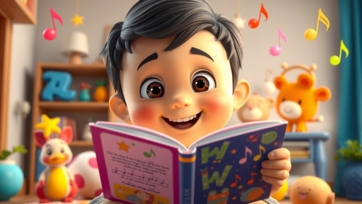
Fun Learning Games for Kids at Home

Learning doesn’t have to be boring—fun learning games at home make education interactive, exciting, and memorable. These games help children develop important skills such as problem-solving, critical thinking, creativity, and teamwork. With simple materials and activities, parents can create an engaging learning environment that children enjoy.

Why Learning Games are Important for Kids:

Games provide a hands-on approach to learning, helping children retain information better. They improve focus, memory, and logical thinking while making lessons enjoyable. Fun learning games also build confidence, social skills, and a love for exploring new concepts.

The Role of Parents and Caregivers:

Parents and caregivers can guide learning through games by participating, explaining rules, and encouraging creativity. Active involvement ensures children learn the intended concepts while enjoying the play experience.

Types of Fun Learning Games for Kids:

There are various types of games that children can play at home to learn while having fun.

Educational Board Games:

Board games like Scrabble, Monopoly Junior, and Math Bingo teach language, math, and strategy skills. These games also improve social skills as kids take turns, follow rules, and interact with others.

Memory and Matching Games:

Memory cards, matching shapes, or picture pairs help improve concentration, attention to detail, and visual memory. Kids learn to recognize patterns, enhance recall, and practice problem-solving.

Puzzle Games:

Jigsaw puzzles, Sudoku for kids, and logic puzzles challenge the brain and develop spatial reasoning, patience, and analytical thinking. Puzzles also promote perseverance and satisfaction when completed successfully.

Interactive Learning Games at Home:

Interactive games combine fun with learning using simple household items or digital platforms.

Math Games:

  • Counting Games: Use coins, beads, or toys to practice addition, subtraction, or multiplication.

  • Number Hunt: Hide numbers around the house for kids to find and solve math problems.

  • Math Bingo: Create bingo cards with numbers or math equations for an engaging challenge.

Language and Literacy Games:

  • Word Hunt: Hide letters or words around the room and have kids form sentences.

  • Story Building: Take turns adding sentences to create a collaborative story.

  • Alphabet Relay: Children match letters to objects in the house to reinforce vocabulary.

Science and Exploration Games:

  • Mini Experiments: Conduct simple experiments, like vinegar and baking soda reactions, to learn about chemical reactions.

  • Nature Scavenger Hunt: Find leaves, rocks, or flowers in the garden and categorize them.

  • Observation Challenges: Ask children to notice changes in weather, plants, or animals and record findings.

Physical Learning Games:

Combining movement with learning improves physical fitness and cognitive development.

Active Math Games:

Jump or hop to answer math questions written on cards placed around the room. This combines exercise with problem-solving.

Alphabet and Word Movement Games:

Spread letters or words on the floor and ask children to step on the correct answers. These games enhance literacy, memory, and gross motor skills.

Outdoor Learning Games:

  • Obstacle Courses: Incorporate counting, spelling, or shape recognition into outdoor obstacle challenges.

  • Ball Toss Math: Toss a ball and solve a math question before catching it.

  • Nature Bingo: Use natural objects like leaves, flowers, and stones for a bingo game that teaches observation and categorization.

Digital Learning Games:

Educational apps and online platforms offer interactive games for children to learn while having fun.

  • Math and Logic Apps: Solve puzzles, practice calculations, and enhance problem-solving skills.

  • Language Apps: Learn vocabulary, spelling, and pronunciation through interactive games.

  • Science Apps: Explore experiments, simulations, and interactive videos to learn scientific concepts.

Tips to Make Learning Games Effective:

  1. Keep Sessions Short: Young children learn best in 15–30 minute bursts.

  2. Make It Fun: Focus on enjoyment rather than just results.

  3. Encourage Creativity: Allow kids to create rules, designs, or variations of games.

  4. Reward Participation: Praise efforts and celebrate achievements to build confidence.

  5. Balance Screen and Offline Play: Combine digital and hands-on learning for variety.

Benefits of Fun Learning Games for Kids:

  • Develop cognitive, motor, and social skills.

  • Boost memory, attention, and problem-solving abilities.

  • Make learning interactive, enjoyable, and engaging.

  • Foster creativity, imagination, and teamwork.

  • Build confidence and a positive attitude toward learning.

Conclusion:

Fun learning games for kids at home provide an exciting and effective way to combine education and play. Whether using board games, interactive activities, outdoor challenges, or digital apps, children can develop important skills while enjoying themselves. Parents and caregivers can maximize the benefits by actively participating, encouraging creativity, and balancing play with learning. With engaging learning games, children develop curiosity, confidence, and a love for discovering new things.


Advertisement
Importance of Brushing Teeth for Children
Brushing teeth is one of the most important daily habits children should learn from an early age. Healthy teeth help children eat, speak, and smile with confidence. Teaching kids the importance of brushing teeth helps prevent cavities, gum problems, and bad breath. In this article, we will explain the importance of brushing teeth for children in a simple, fun, and easy way. Why Brushing Teeth Is Important for Children: Good oral hygiene helps children: Keep their teeth clean and strong Prevent cavities and tooth decay Avoid gum diseases and bad breath Develop healthy habits for life Smile with confidence When children understand why brushing matters, they are more likely to do it regularly. What Happens If Kids Do Not Brush Their Teeth: If children do not brush their teeth properly: Food particles stay on teeth Germs and bacteria grow in the mouth Cavities and toothaches can occur Gums may become swollen or bleed Teeth can become weak or damaged Explaining these effects gently helps kids understand the importance of daily brushing. How Brushing Teeth Keeps the Mouth Healthy: 1. Removes Food and Germs: Brushing removes leftover food and harmful bacteria from teeth and gums. 2. Prevents Cavities: Regular brushing stops plaque from damaging the teeth. 3. Keeps Breath Fresh: Clean teeth and tongue help prevent bad breath. 4. Protects Gums: Brushing gently keeps gums healthy and strong. Correct Way to Brush Teeth for Kids: 1. Use a Soft Toothbrush: Choose a toothbrush with soft bristles suitable for children. 2. Use a Pea-Sized Toothpaste: Only a small amount of fluoride toothpaste is enough. 3. Brush for Two Minutes: Brush all sides of the teeth slowly and gently. 4. Brush Twice a Day: Once in the morning and once before bedtime. 5. Do Not Forget the Tongue: Gently clean the tongue to remove germs. Fun Tips to Encourage Kids to Brush Teeth: Use colorful toothbrushes with favorite characters Play a 2-minute brushing song or timer Brush together as a family Reward consistency with praise or stickers Read stories or watch cartoons about dental care Making brushing fun helps children enjoy the habit instead of avoiding it. Role of Parents in Teaching Tooth Brushing: Parents can help by: Teaching the correct brushing method Supervising young children while brushing Setting a daily brushing routine Taking children for regular dental checkups Being a good role model by brushing daily Children learn best by watching and copying adults. Benefits of Brushing Teeth Daily for Children: Children who brush their teeth regularly enjoy: Strong and healthy teeth Fewer dental problems Fresh breath and clean mouth Better overall health Confidence in smiling and speaking Healthy teeth play an important role in a child’s overall growth and well-being. Conclusion: The importance of brushing teeth for children cannot be ignored. By brushing twice a day using the correct method, children can protect their teeth, avoid pain, and develop a healthy smile for life. Teaching this habit early makes dental care a natural and easy part of everyday routine, helping children grow into healthy and confident adults.
Greed Leads to Loss – A Moral Tale
In a small, peaceful village named Sunnybrook, there lived a clever but greedy boy named Rohan. Rohan loved sweets, toys, and treasures more than anything else. No matter how much he had, he always wanted more. He never shared and often ignored the feelings of others. This kids moral story teaches children why greed is harmful and how being content and kind is far more valuable. Rohan and the Golden Apples: One day, while wandering near the village orchard, Rohan saw a tree filled with shiny golden apples. His eyes sparkled with excitement. “These apples are mine!” he thought. “I will collect all of them and keep them for myself.” He climbed the tree and picked as many apples as he could carry. Rohan laughed with joy, imagining all the sweets and treasures he could get from the apples. Ignoring Others’ Needs: Nearby, other children were watching the tree. They wanted just one apple each to share with their families. Rohan saw them and shouted, “Go away! These apples are mine!” The children left sadly. Rohan felt proud of his collection, thinking he had outsmarted everyone. The Warning of the Wise Owl: That night, an old wise owl named Ollie came to Rohan. Ollie had been watching him all day. “Rohan,” the owl said softly, “taking more than you need and ignoring others will bring trouble. Greed can lead to loss.” Rohan laughed. “I don’t care about warnings. These apples are mine!” Greed Brings Trouble: The next morning, Rohan tried to carry all the golden apples back home. But the branch he was standing on was weak. Suddenly, it broke! Rohan fell into a bush, and the apples scattered everywhere. Some rolled into the river, and others were lost in the mud. Rohan got up, sad and empty-handed. He realized that his greed had caused him to lose everything he wanted. Learning from Mistakes: The children from the village came and offered Rohan some apples. “We can share,” they said kindly. Rohan felt ashamed and apologized. “I was greedy and selfish. I’m sorry,” he said. The children forgave him. Together, they enjoyed the apples, laughed, and shared stories. Rohan discovered that sharing brought far more happiness than keeping everything for himself. A Changed Heart: From that day on, Rohan learned to be generous and content. He shared his toys, food, and sweets with friends and family. The village became happier, and Rohan realized that kindness and sharing were more valuable than treasures. Why Greed Leads to Loss: This story teaches children that: Greed can cause trouble and sadness Being selfish can lead to losing what you have Sharing and kindness bring true happiness True Happiness Explained: Happiness grows when shared. Greed may give temporary pleasure, but it leads to disappointment. Moral of the Story: Greed leads to loss. Being generous, kind, and content brings joy and lasting friendships. Why Kids Should Read This Story: This children’s moral story helps kids understand: The dangers of greed The importance of sharing and kindness How thinking of others creates happiness Life lessons through a simple, fun tale Parents and teachers can use Greed Leads to Loss as a bedtime story or classroom moral lesson for young children. Final Message: 🍎 Share what you have, be kind, and remember — greed may take everything, but generosity gives joy forever. 🍎
Learn Shapes with Fun Examples for Kids
Shapes are all around us! Learning about different shapes helps children understand geometry, patterns, and spatial awareness. Shapes make the world colorful and fun, and recognizing them is an important early math skill. Why Learning Shapes is Important: Shapes help children recognize objects around them. Learning shapes improves creativity and problem-solving. Shapes are the foundation for geometry and math skills. Understanding shapes helps kids draw, build, and explore patterns. Common Shapes and Their Features: 1. Circle: Round with no corners or edges. Examples: ball, clock, plate, wheel. Fun Activity: Trace circles with a cup or lid. 2. Square: Has 4 equal sides and 4 corners. Examples: window, chessboard, box. Fun Activity: Find squares around the house. 3. Triangle: Has 3 sides and 3 corners. Examples: pizza slice, roof, traffic sign. Fun Activity: Use straws or sticks to make triangles. 4. Rectangle: Has 4 sides, 2 long and 2 short. Examples: door, book, table. Fun Activity: Cut colored paper into rectangles. 5. Oval: Looks like an egg, round but longer. Examples: egg, rugby ball, mirror. Fun Activity: Draw ovals with pencils or markers. 6. Star: Has points extending from the center. Examples: starfish, decoration, night sky. Fun Activity: Draw stars and color them brightly. 7. Heart: A symbol of love, curved on top and pointed at the bottom. Examples: heart shapes in cards or decorations. Fun Activity: Cut heart shapes from colored paper. Fun Ways to Learn Shapes: 1. Shape Hunt Game: Look around the house or school and find objects in different shapes. Children can count how many circles, squares, or triangles they see. 2. Shape Drawing and Coloring: Draw simple shapes and ask children to color or decorate them. Helps with recognition and creativity. 3. Build Shapes with Toys: Use blocks, Lego, or sticks to create different shapes. Encourages hands-on learning and fine motor skills. 4. Shape Sorting Activity: Give children cut-out shapes and ask them to sort by type or color. Teaches classification and observation skills. Story Example: Shapes Adventure: Lily went on a shape adventure around her home: She found a circle plate, a square window, and a triangle roof. She counted and drew each shape in her notebook. By the end of the day, Lily could identify all shapes and even help her friends learn them. Lesson: Learning shapes can be a fun exploration in daily life. Interactive Games for Shapes: Shape Matching: Match objects to their shapes. Shape Puzzle: Solve puzzles using triangles, squares, or circles. Shape Drawing Race: Children draw shapes quickly on paper. Shape Sorting Hunt: Find items of each shape around the room. Interesting Comparisons for Kids: Circles are like wheels or clock faces. Triangles are like pizza slices or roofs of houses. Squares are like chessboards or gift boxes. Rectangles are like doors or books. Tip: Compare shapes with real objects in the child’s environment to make learning practical and fun. Tips to Learn Shapes Quickly: Practice Daily: Observe shapes in your home or classroom. Use Real Objects: Relate shapes to toys, furniture, or food. Interactive Games: Play matching, sorting, and drawing games. Storytelling: Make fun stories around shapes to engage memory. Conclusion: Learning shapes is an exciting adventure! By recognizing circles, squares, triangles, and more, children develop math, creativity, and observation skills. With games, stories, and hands-on activities, kids can enjoy learning about shapes in a fun and practical way. Shapes are everywhere, and exploring them makes learning colorful, interactive, and enjoyable.
Always Speak the Truth – Kids Story
In a small, peaceful village called Brightville, there lived a cheerful boy named Kabir. Kabir loved to play, learn new things, and explore the village with his friends. But sometimes, when he made a mistake, he would try to hide it by telling a little lie. This kids moral story teaches children why honesty is the best policy and how speaking the truth builds trust and respect. Kabir and the Broken Vase: One sunny afternoon, Kabir was playing with his ball inside his house. Suddenly, the ball hit a beautiful vase, and it fell to the floor, shattering into pieces. Kabir felt scared. He thought, “If I tell my mother, she will be angry. Maybe I can hide it.” He quickly tried to sweep up the pieces and put them away. The Consequences of Lying: When Kabir’s mother came home, she immediately noticed the vase was broken. “Kabir, did you break this vase?” she asked. Kabir shook his head and said, “No, I don’t know what happened.” His mother looked sad but decided to check carefully. She found the scattered pieces hidden in the corner. Kabir felt guilty. Feeling the Truth Inside: Kabir realized that lying made him feel heavy and unhappy inside. The Courage to Tell the Truth: That evening, Kabir gathered courage and said to his mother, “Ammi, I’m sorry. I broke the vase while playing, and I tried to hide it.” His mother hugged him gently. “Thank you for telling the truth, Kabir. Honesty is very important. Everyone makes mistakes, but telling the truth shows courage.” Learning from Mistakes: Kabir learned an important lesson that day. He understood that: Telling lies may seem easy, but it causes guilt and trouble Speaking the truth earns respect and trust Mistakes are okay if you admit them honestly Kabir Helps Others: The next day, Kabir saw his friend Ali cheating in a small school game. Kabir reminded him gently, “Ali, always speak the truth. Cheating might seem fun, but honesty is better.” Ali listened and returned the game to fair play. Kabir felt proud, knowing that being honest helped others too. Why Honesty Matters: This story teaches children: Honesty builds trust with family and friends Truthfulness creates confidence and respect Lies may bring short-term relief but long-term problems Being honest is always the brave and right choice True Bravery: Courage is not only about being strong but also about telling the truth even when it is difficult. Moral of the Story: Always Speak the Truth shows that honesty is a superpower. Truthfulness makes life better, relationships stronger, and hearts happier. Why Kids Should Read This Story: This children’s moral story helps kids: Learn the importance of honesty Understand the consequences of lying Gain courage to admit mistakes Develop strong moral values in everyday life Parents and teachers can use this story as a bedtime tale or classroom lesson to encourage children to speak the truth. Final Message: 💬 Always be honest, admit your mistakes, and remember — speaking the truth is the bravest and happiest choice you can make. 💬
Healthy Eating and Nutrition Tips for Kids
Healthy eating is essential for children’s growth, development, and overall well-being. Providing balanced nutrition helps kids maintain energy, strengthen immunity, and support brain development. Healthy eating and nutrition tips for kids teach them the importance of making good food choices while making mealtime fun and enjoyable. Why Healthy Eating is Important for Kids: Children need a variety of nutrients to grow strong and stay healthy. Balanced meals with vitamins, minerals, proteins, and healthy fats improve physical growth, cognitive development, and concentration. Healthy eating also helps prevent childhood obesity, nutrient deficiencies, and other health issues. The Role of Parents and Caregivers: Parents and caregivers play a key role in shaping children’s eating habits. By providing nutritious foods, creating positive mealtime experiences, and modeling healthy choices, adults encourage children to develop lifelong healthy habits. Basic Nutrition for Kids: Understanding the key nutrients helps in planning balanced meals. Proteins: Essential for growth, tissue repair, and immune function. Sources: Eggs, lean meat, fish, beans, lentils, and dairy products. Carbohydrates: Provide energy for daily activities and brain function. Sources: Whole grains, rice, oats, fruits, and vegetables. Healthy Fats: Support brain development and hormone production. Sources: Avocado, nuts, seeds, olive oil, and fatty fish. Vitamins and Minerals: Important for bones, skin, and overall health. Sources: Colorful fruits, vegetables, dairy, and fortified foods. Hydration: Water is essential for digestion, temperature regulation, and overall health. Limit sugary drinks and encourage plain water or natural fruit juices. Fun Ways to Encourage Healthy Eating: Making food fun and engaging helps children develop positive eating habits. Colorful Plates: Include a variety of colorful fruits and vegetables to make meals visually appealing. Teach kids about the benefits of different colors and nutrients. Creative Food Shapes: Use cookie cutters to make sandwiches, fruits, or vegetables into fun shapes. Kids are more likely to eat foods that look exciting and playful. Cooking Together: Involve children in meal preparation, such as washing vegetables or stirring ingredients. Encourages interest in food and teaches basic cooking skills. Healthy Snacks for Kids: Snacks are an important part of a child’s diet, but they should be nutritious. Fruit and Yogurt Parfaits: Layer fruits with yogurt and granola. Vegetable Sticks with Dip: Carrots, cucumbers, or bell peppers with hummus. Whole Grain Snacks: Whole wheat crackers, rice cakes, or oatmeal bars. Smoothies: Blend fruits, vegetables, and yogurt for a nutritious drink. Tips to Make Nutrition Enjoyable: Set a Routine: Serve meals and snacks at regular times. Avoid Pressure: Encourage trying new foods without forcing them. Lead by Example: Eat balanced meals as a family to model healthy habits. Make Learning Fun: Teach kids about nutrients and where food comes from. Reward Wisely: Use praise instead of sweets to reinforce healthy choices. Addressing Picky Eating: Picky eating is common, but there are strategies to encourage healthy habits. Introduce new foods gradually alongside familiar favorites. Offer a variety of textures and flavors to expand taste preferences. Be patient and consistent; it may take multiple exposures for a child to accept new foods. Make mealtimes positive and stress-free, focusing on fun and creativity. Benefits of Healthy Eating for Kids: Supports physical growth, strong bones, and muscle development. Enhances brain development, focus, and learning abilities. Boosts immunity and reduces risk of illness. Helps maintain healthy weight and energy levels. Encourages lifelong positive eating habits. Conclusion: Healthy eating and nutrition for kids is essential for their growth, learning, and overall well-being. By providing balanced meals, involving children in food preparation, and making nutrition fun, parents and caregivers can encourage lifelong healthy habits. Combining colorful plates, creative shapes, nutritious snacks, and positive mealtime experiences helps children develop a love for healthy food. With consistent guidance and encouragement, kids can enjoy nutritious meals, stay energized, and grow strong, confident, and healthy.
Learning English Words Through Fun Stories
Learning English words becomes easy and enjoyable when children learn them through fun stories. Stories capture a child’s attention, spark imagination, and help new words stay in memory for a long time. In this article, we will explore learning English words through fun stories in a simple, engaging, and child-friendly way. Why Learning English Through Stories Is Effective for Kids: Stories help children: Learn new English words naturally Improve listening and reading skills Understand word meanings through context Build confidence in speaking English Enjoy learning without pressure When learning feels like fun, children absorb language faster and more easily. How Fun Stories Help Kids Learn English Words: 1. Words Become Meaningful: Stories show how words are used in real situations, making them easier to understand and remember. 2. Repetition Improves Memory: Common words appear again and again in stories, helping children remember them naturally. 3. Imagination Boosts Learning: Characters, adventures, and emotions make words more interesting and memorable. 4. Listening and Reading Together: Kids can listen to stories or read along, improving pronunciation and comprehension. Types of Fun Stories to Teach English Words: 1. Animal Stories: Stories about animals teach basic English words like names, actions, and feelings. Example Words: run, jump, happy, sad, big, small 2. Fairy Tales: Fairy tales introduce descriptive words and simple sentences. Example Words: magic, castle, king, queen, brave 3. Daily Life Stories: Stories about school, home, or friends teach useful everyday English words. Example Words: book, school, food, play, help 4. Moral Stories: Short stories with lessons help kids learn values along with vocabulary. Example Words: kind, honest, share, care Fun Ways to Use Stories for Learning English Words: 1. Read Aloud Together: Parents or teachers read stories aloud while children listen and repeat new words. 2. Picture-Based Stories: Use storybooks with pictures so kids can connect words with images. 3. Act Out the Story: Children act like story characters and say simple English words. 4. Ask Simple Questions: After the story, ask questions using easy English words. Example: Who was happy? What did the cat do? Simple English Words Kids Can Learn From Stories: Daily Action Words: run, eat, sleep, play, read Feeling Words: happy, sad, angry, excited Object Words: book, ball, chair, apple Describing Words: big, small, fast, slow, colorful Stories naturally combine all these words in a meaningful way. Role of Parents and Teachers in Story Learning: Parents and teachers can help by: Choosing age-appropriate English stories Reading stories daily, even for 10 minutes Encouraging kids to repeat new words Praising effort instead of correcting too much Making storytelling a joyful routine A positive environment helps children learn without fear. Benefits of Learning English Words Through Fun Stories: Children who learn English through stories develop: Strong vocabulary and better pronunciation Improved listening and reading skills Confidence in speaking English Love for books and learning Better imagination and creativity Story-based learning builds both language skills and emotional intelligence. Conclusion: Learning English words through fun stories is one of the best ways to teach children a new language. With simple stories, colorful characters, and joyful reading, kids can build strong English vocabulary while enjoying the learning process. Making stories a daily habit helps children grow into confident, curious, and happy learners.
How Computers Work: Simple Guide for Kids
Computers are everywhere—from schools and homes to hospitals and space stations. Understanding how computers work can seem complicated, but with a simple guide, kids can learn the basics in a fun and engaging way. Learning about computers helps children develop problem-solving skills, logical thinking, and curiosity about technology. Why Kids Should Learn About Computers: Computers play an essential role in modern life. Learning how computers work helps children understand the world around them, improve digital literacy, and prepare for a future in technology. Kids who understand computers are better equipped to solve problems, code, and explore new creative ideas. The Role of Parents and Educators: Parents and teachers can make computer learning fun by using visual aids, hands-on activities, and kid-friendly explanations. Encouraging children to ask questions and explore safely builds confidence and enhances understanding of complex concepts. Basic Parts of a Computer: A computer has many components that work together to perform tasks. Understanding the main parts is the first step in learning how computers work. Central Processing Unit (CPU): The CPU is the brain of the computer. It processes instructions, performs calculations, and tells other parts of the computer what to do. Kids can think of it as the boss who manages everything inside the computer. Memory (RAM and Storage): RAM (Random Access Memory): Temporary memory that stores information while the computer is running. Storage (Hard Drive or SSD): Permanent memory where files, programs, and games are saved. Input Devices: Input devices let kids communicate with the computer. Examples include: Keyboard for typing Mouse for clicking and selecting Touchscreen for tapping and swiping Output Devices: Output devices show the results of the computer’s work. Examples include: Monitor for displaying images and videos Printer for producing physical copies Speakers for sound How Computers Process Information: Computers follow a simple cycle called Input → Process → Output: Input: The user gives commands or information through input devices. Process: The CPU processes the data using memory and instructions from programs. Output: The computer displays the result through output devices. This cycle happens millions of times per second, allowing computers to run games, apps, and websites instantly. Software vs. Hardware: Hardware: The physical parts of the computer like the CPU, monitor, and keyboard. Software: The programs and apps that tell the hardware what to do, such as games, learning apps, and web browsers. Understanding both hardware and software helps kids see how computers operate as a complete system. Simple Coding and Commands for Kids: Coding is like giving instructions to the computer. Learning simple coding helps children understand how computers work and how to control them. Platforms like Scratch and Blockly make coding fun and interactive for beginners. Fun Computer Activities for Kids: Build a Paper Computer Model: Kids can draw and label computer parts. Keyboard Games: Typing games improve familiarity with input devices. Coding Puzzles: Solve basic coding challenges using visual programming apps. Computer Exploration: Identify the parts of a real computer and explain what each part does. How Computers Affect Our Daily Lives: Computers help in education, entertainment, communication, and creativity. Kids use computers to play educational games, watch learning videos, draw digitally, and explore science projects. Understanding computers helps children use technology safely and responsibly. Internet Safety Tips for Kids: While learning about computers, it’s important to teach kids how to stay safe online: Never share personal information. Only visit trusted websites and apps. Ask parents for help if they encounter something confusing or scary. Use strong passwords with adult guidance. Benefits of Learning Computers Early: Improves problem-solving and logical thinking skills. Builds confidence in using technology. Encourages creativity through digital tools and apps. Prepares children for future learning and STEM careers. Helps children understand the digital world around them. Conclusion: Learning how computers work doesn’t have to be complicated for kids. By understanding the basic parts, processes, and coding concepts, children can explore technology confidently and safely. Parents and educators can make computer learning fun through hands-on activities, interactive apps, and real-life examples. Early exposure to computers inspires curiosity, creativity, and prepares kids for a digital future.
The Truthful Parrot Who Saved the Day
In a bright and lively village called Greenwood, there lived a colorful parrot named Polly. Polly was not only beautiful, with feathers of red, blue, and green, but also very honest and truthful. Every animal in the village trusted Polly because she always spoke the truth, no matter how difficult it was. This kids moral story teaches children that honesty and courage can solve problems and make a big difference. Polly and Her Village Friends: Polly lived in a tall mango tree near the village square. Every day, she played with her friends — squirrels, rabbits, and even small birds. Villagers loved to watch Polly’s colorful feathers shine in the sunlight. Polly’s best quality was her honesty. She would always tell the truth, even when it was not easy. Her mother often said, “Polly, honesty is the greatest treasure of all.” The Village in Danger: One sunny morning, the villagers noticed smoke rising from the forest near Greenwood. A fire had started, and it was spreading quickly toward the village. People panicked and ran to save their homes and animals. The children cried, and some animals got trapped. It was chaos everywhere. Polly Spots Something Important: Polly flew high above the trees to see the full scene. She noticed that the fire was caused by a broken lantern left by a careless villager near dry leaves. Polly knew she had to warn everyone quickly. Speaking the Truth: She flew down to the village square and loudly shouted, “Listen! The fire started because of the lantern near the dry leaves! Everyone must move and act carefully to stop it!” Some Villagers Doubt Her: Not everyone believed Polly at first. Some villagers laughed. “How can a small parrot know such things?” they said. Polly did not give up. She kept repeating the warning and even guided the villagers toward buckets and water sources to control the fire. Saving the Village: With Polly’s guidance, villagers worked together. They poured water, dug firebreaks, and rescued trapped animals. Children helped carry buckets, and the animals moved to safe areas. Soon, the fire was under control. The villagers were amazed that a small, truthful parrot had helped save the entire village. Polly Becomes a Hero: After the fire, the villagers thanked Polly. “You are our hero, Polly! Your honesty and courage saved us all,” said the village chief. Polly felt proud but remained humble. She chirped happily and reminded everyone, “Always tell the truth and act bravely. That is how we can help each other.” Lessons from Polly’s Story: Polly taught the children and villagers: Honesty can prevent bigger problems Speaking the truth bravely saves lives Even small creatures can make a huge difference True Bravery: Bravery is not only about fighting; it’s about standing up for what is right. Moral of the Story: The story of The Truthful Parrot Who Saved the Day shows that honesty, courage, and alertness can make the world a safer and better place. No matter how small you are, your actions matter. Why Kids Should Read This Story: This children’s moral story helps kids understand: The importance of honesty How speaking the truth can solve problems The value of courage and responsibility How small actions can lead to big results Parents and teachers can use this story as a bedtime moral tale or a classroom lesson to inspire children. Final Message: 🌟 Be truthful, be brave, and remember — even the smallest voice can save the day. 🌟